
Earlier this week, the disclosure of a joint operation between the United States and Colombia drew attention.
The American government reported that, in an action carried out with the support of the Colombian Armed Forces, a submarine carrying almost ten tons of cocaine was seized and the four crew members were arrested.
The cargo was valued at US$441 million; The exact location of the operation, which took place in international waters, was not disclosed.
Submersible or semi-submersible vessels have been used by drug traffickers in Latin America since at least the 1980s, but in recent years they have gained even more importance for these criminals.
Last year, the investigative journalism platform InSight Crime, which specializes in research into Latin American organized crime, released a report that detailed the main types of narco-submarines.
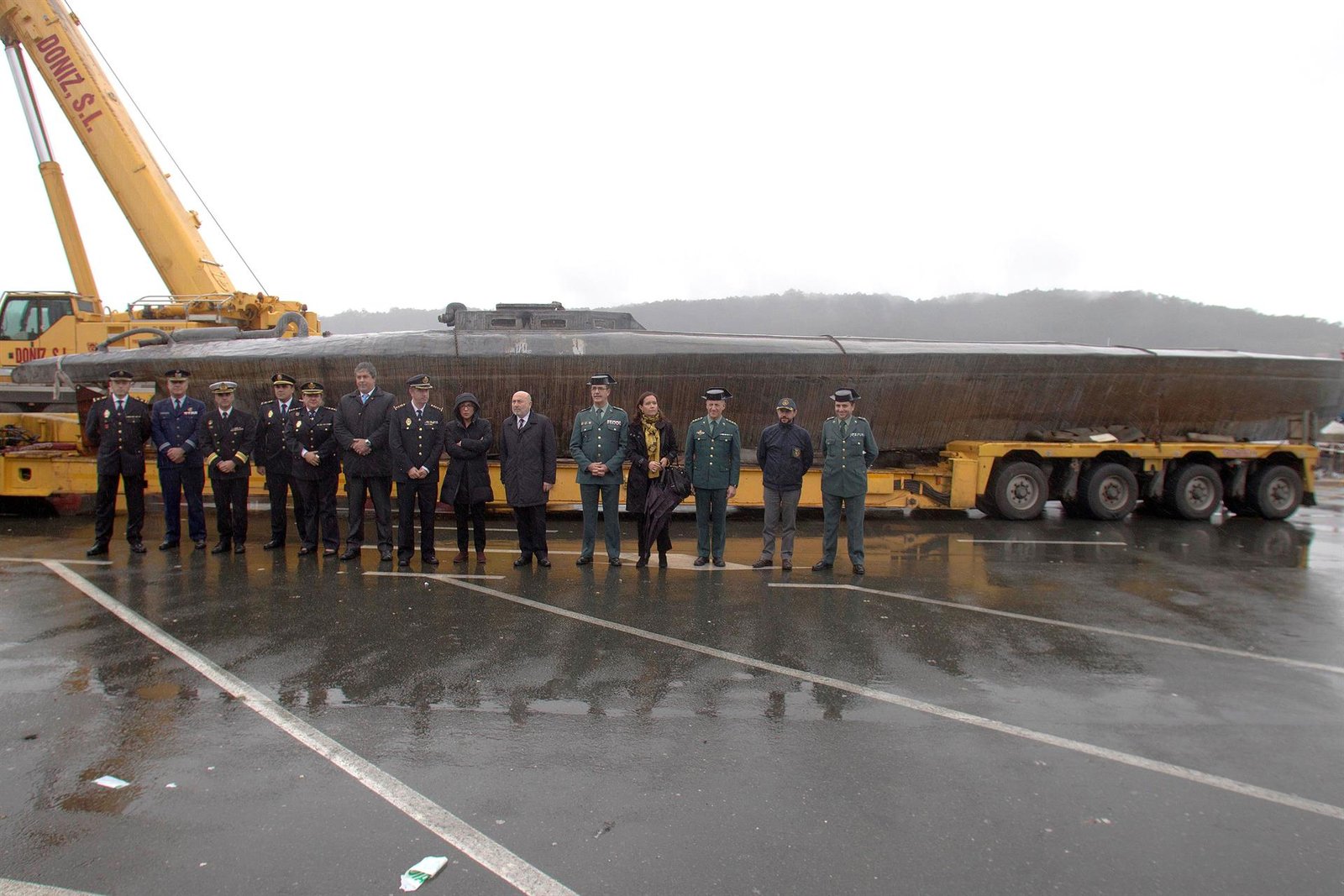
One of them is called a Low Profile Vessel (LPV) by the authorities and is not really a submarine, as it cannot fully submerge and has a small part visible above the water surface.
With a diesel or gasoline engine and built with wood and fiberglass, materials difficult to detect by radar, the LPVs have an estimated construction cost of between US$1 million and US$2 million and can transport two to eight tons of cocaine.
A second category is the so-called narcotorpedo, as towable underwater containers are called, with a capacity of up to five tons of cocaine and which are attached to ships by steel cables, to be transported to depths of up to 30 meters.
However, according to InSight Crime, the top of the line are fully submersible vessels (FSVs), which are completely submerged, can transport up to ten tons of cocaine, are not detected by radar and have advanced GPS and navigation systems.
Due to this sophistication, its construction cost is much higher, estimated at US$2 million to US$4 million.
Narco-submarines are built in clandestine shipyards, most of them located on the Pacific coast of Colombia, but others have already been identified off the coast of Ecuador and the Colombian coast of the Caribbean Sea.
Devices to deceive authorities and new routes
Authorities are trying to monitor the evolution of these vehicles: in the second half of 2024, security agencies from 62 countries intercepted six semi-submersible vessels loaded with cocaine in Operation Orion, which lasted six weeks.
However, according to InSight Crime, drug traffickers are always looking for ways to stay ahead of the law.
One example cited in the report is that after authorities began using thermal cameras to detect narco-submarines, traffickers began employing devices such as lead shields and heat exchangers designed to mask the submersibles’ thermal signal.
Although the majority of the “fleet” is used to transport cocaine to the United States and Europe, drug trafficking is beginning to diversify these routes.
In 2024, the first seizure of a narco-submarine that was destined for Oceania occurred.
“This is a new route they have opened for semi-submersibles. The vessel was found in a remote location, almost 4,800 km off the Colombian coast, towards Australia and New Zealand”, said Captain Manuel Rodríguez, director of the Colombian Navy’s anti-narcotics unit, in an interview with the British newspaper The Guardian.
