
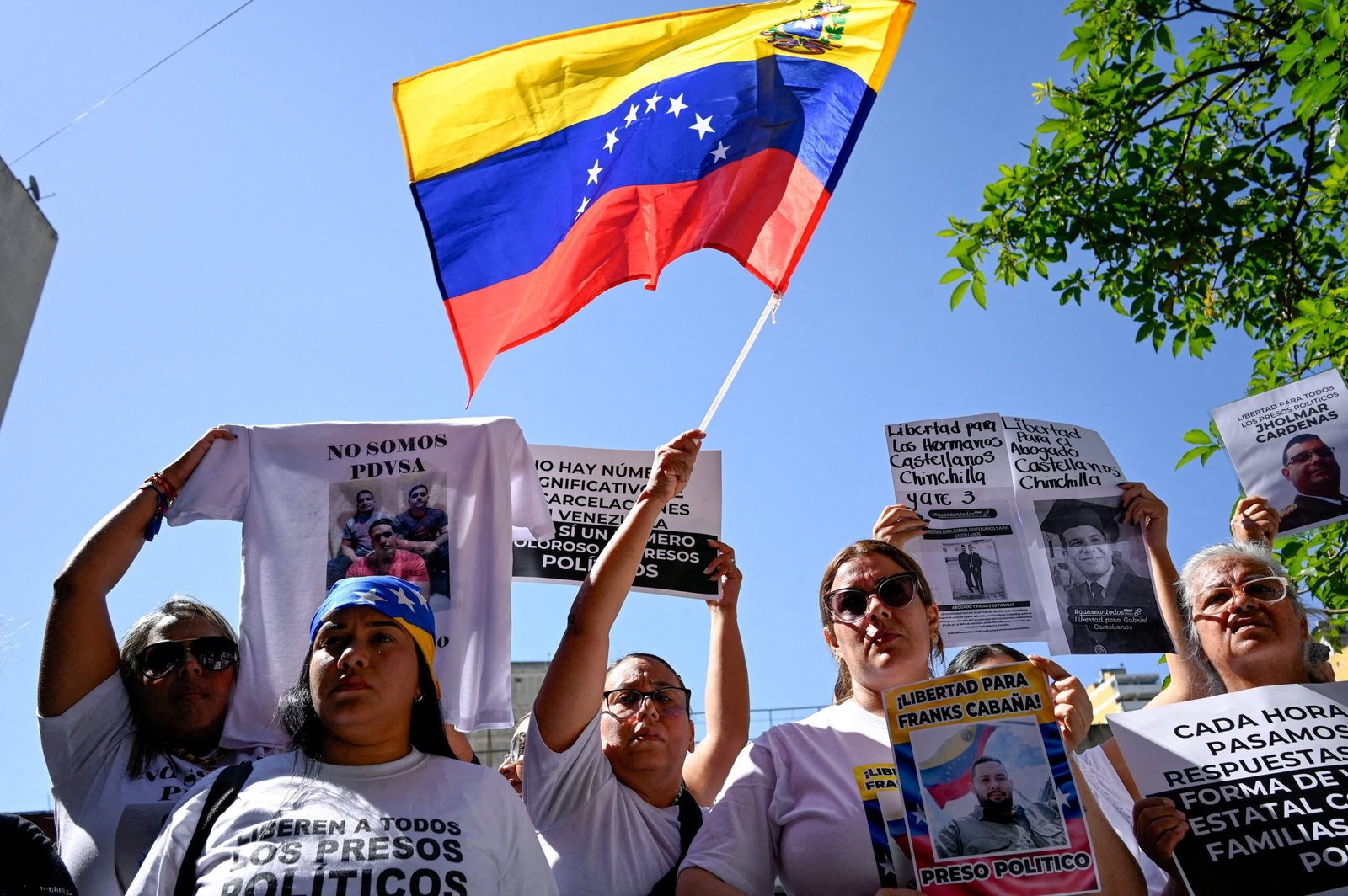
Protest in Venezuela demands release of all political prisoners and immediate approval of amnesty An amnesty bill analyzed by the Venezuelan Parliament, which grants immediate pardon to people arrested for participating in political protests or criticizing authorities, received this Thursday (5) the first approval from lawmakers. ✅ Follow the g1 international news channel on WhatsApp According to a draft seen by Reuters, the proposal also provides for the return of detainees’ assets and the cancellation of Interpol alerts and other international measures imposed by the government. In practice, this would allow opponents living abroad to return to the country. The text was approved unanimously in the first of two necessary votes in the National Assembly, controlled by the ruling socialist party. There is still no date for the second debate session. Announced last week by interim president Delcy Rodríguez, the law could lead to the release of hundreds of people if approved in its current form. The measure also tends to please the United States government, which has praised the release of prisoners. Rodríguez’s brother, Jorge Rodríguez, president of the Assembly, stated that the measure is difficult, but necessary. “The path of this law will be full of obstacles, full of bitter moments… we will not only have to swallow hard… but also swallow frogs”, he said. “We ask for forgiveness and we also need to forgive.” For years, opposition and human rights organizations have claimed that the government uses detention to repress dissidents, including politicians, members of the security forces, journalists and activists, with arbitrary charges such as terrorism and treason. The government has always denied the existence of political prisoners. Rodríguez took power after the United States captured and deposed dictator Nicolás Maduro and has been meeting American demands on oil deals. The government had also been gradually releasing people classified as political prisoners by the opposition. READ ALSO US issues security alert and asks American citizens to ‘avoid favelas’ during Carnival in Brazil Iran transfers state-of-the-art ballistic missile to underground base on the eve of negotiations with US, says state TV VIDEO: Birthday balloons explode inside elevator in India The project Venezuelans protest for the release of political prisoners on February 5, 2026 REUTERS/Maxwell Briceno According to the draft, the amnesty will cover crimes committed between January 1, 1999 and the date of entry into force of the law, with immediate application to people who have acted peacefully or have health problems. There will be no pardon for those convicted of human rights violations, war crimes, murder, corruption or drug trafficking. Other crimes, such as incitement to illegal activities, resistance to authority, damage to property, rebellion, treason and illegal possession of weapons, will be included in the amnesty if they occurred in the context of political protests. The text cites demonstrations that shook the country and resulted in deaths in 2007, 2014, 2017, 2019 and 2024. The 2024 acts took place after a contested election, which the opposition and international observers say was largely won by the opposition. Government and Judiciary, however, supported Maduro and sworn him in for a third term. The proposal also includes those accused of defamation when the conduct is linked to criticism of authorities. The project also determines the removal of Interpol red alerts and movement restrictions against people covered by the amnesty, “ensuring the safe and persecution-free return of Venezuelan citizens abroad”. Several dissident opponents and former officials live outside the country to avoid arrest warrants that they consider politically motivated. The law would also revoke bans on holding public office for political reasons and sanctions against media outlets. The Foro Penal organization claims to have verified the release of 383 political prisoners since the announcement of a new series of releases on January 8. According to the group, more than 680 people still remain imprisoned, including cases that had not been reported before by fearful family members. The government denies holding political prisoners and says those detained have committed crimes. Authorities say the number of releases is close to 900, but they do not detail the period considered and appear to include people released in previous years. Among the historic defenders of amnesty is Nobel Peace Prize winner and opposition leader María Corina Machado, who has close allies in prison, such as politician Juan Pablo Guanipa and lawyer Perkins Rocha. VIDEOS: trending on g1 See videos that are trending on g1
Source link
Venezuela approves general amnesty law for prisoners arrested for political protests in first vote
46
