
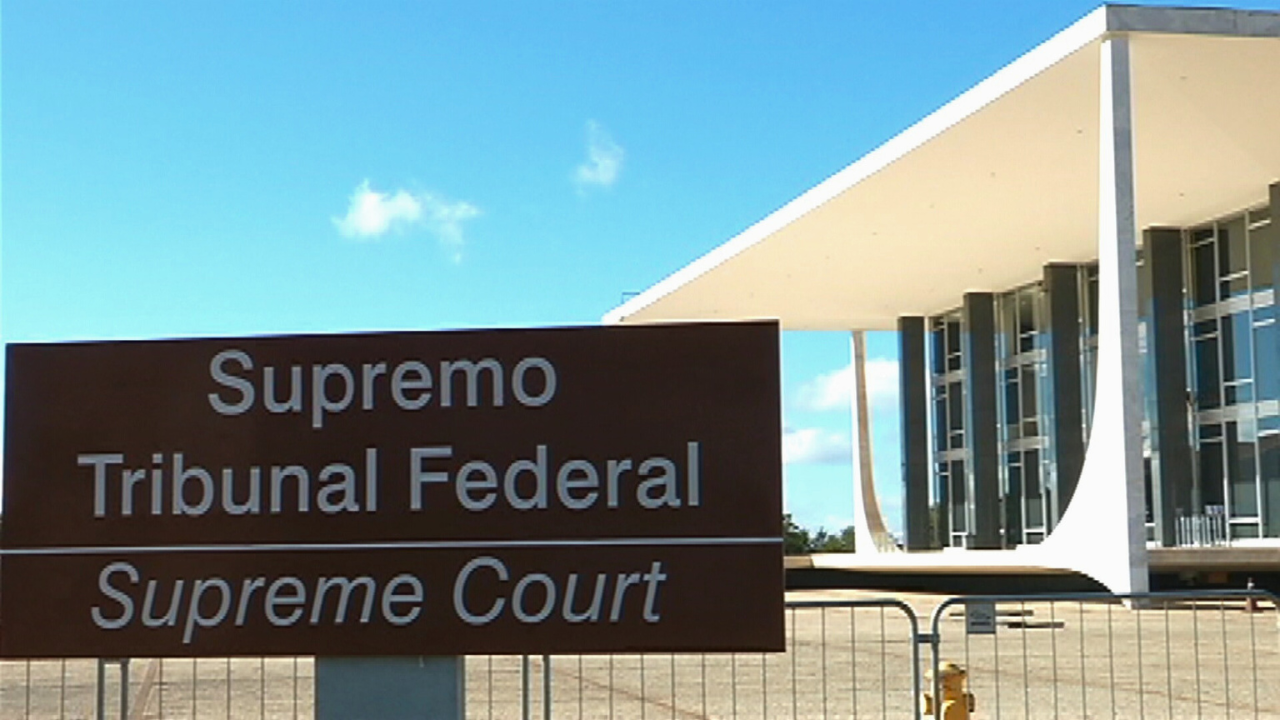
The “festival of penduricalhos” turned sour. This is because Minister Flávio Dino, of the Federal Supreme Court (STF), granted, this Thursday (5), an injunction to suspend benefits that are granted to public servants.
The target is the privileged people of the Three Powers who do not meet the constitutional salary ceiling of R$46,300.
The minister highlighted that funds classified as “compensation” have been improperly used to increase salaries above the limit set out in the Constitution. He also cites the payment of “turkey aid” as an example of illegality.
In December last year, employees of the São Paulo City Council received an end-of-year bonus worth R$2,033. Nicknamed “turkey voucher”, the benefit was paid in the form of a 13th food allowance and cost more than R$4 million to the public coffers.
According to the City Council, the amount paid was approved in the House plenary and was within the legislation.
The injunction does not cover salary increases that were granted by Congress to Legislative servants because the decision applies to funds that must be used to compensate the public servant for some activity carried out during the service, such as travel, for example.
On Tuesday, the Chamber of Deputies approved a project that adjusts the careers and salaries of federal employees and is expected to consume R$5.3 billion from this year’s federal tax regime.
In a separate proposal approved in the same session, parliamentarians also accepted a restructuring of careers and bonuses for civil servants in the Chamber and Senate.
The new rule creates a device that, in practice, will allow a civil servant to earn more than a deputy or senator, exceeding the constitutional ceiling for public service. The project is now headed for presidential approval and is expected to increase House spending by R$700 million.
The proposals establish the so-called compensatory leave, one day off for every three people worked, with a limit of up to 10 days of rest per month. There is the possibility of receiving the benefit in cash. In the Chamber, this applies to positions at the top of the career ladder. The Senate does not specify who can receive it, which opens the possibility for all “senior advisory” employees to receive the gift.
In an interview with Paula Valdez, on Tarde Bandnews, FGV economist Carla Beni made harsh criticisms and classified Congress’ decision as “rascality”
“This decision by Minister Dino seems to me to be a bit of a brake on tidying up. We are in a situation where we should even change the term penduricalho for a stronger one that is rascality. It is not possible for you to make a move like that where you need to take one day off every three days of work. This is a clear authorization to increase wages, because you have permission to sell that day of yours. So it is a disguised authorization, where people will end up receiving the increase and this will trigger other processes and other increases”. The vote in Congress took place by acclamation, that is, there was no record of votes, and it took place in just over two hours.
Dino’s decision, then, will not be as quick as those who approve the pendulicinhos. The injunction determines that public bodies have up to 60 days to review the funds paid and immediately suspend any benefit that does not have legal support.
Now the text will be submitted to the STF Plenary for a referendum by the other ministers. The date of the trial session should take place on February 25th.
For Carla Beni, the commitment to fiscal responsibility needs to go beyond speech
“Fiscal responsibility cannot be that relationship that serves to show everyone that you care about importance, but says that it is good, nothing. Today there is this lack of concern with responsibility in the Executive, Legislative and Judiciary. At the end of the day, it’s not a problem of lack of money. The money exists, the decision is always political as to where to relocate.
If you now have this additional expense, you need to know where this money will come from. Will it be cutting investments again? Will infrastructure be cut again or resources for health and education reduced?”, he asks.
