
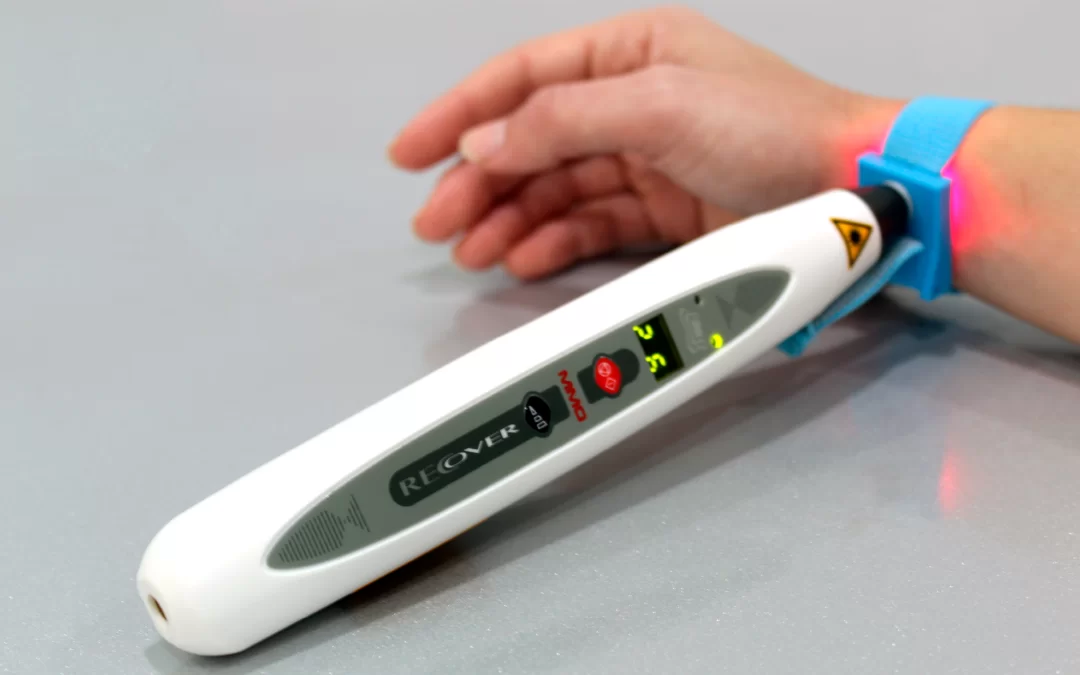
Vascular photobiomodulation has attracted increasing interest as an adjuvant therapy in different health conditions. The technique consists of applying low-power light directly into the bloodstream, with the aim of modulating biological processes and promoting the body’s balance. Although it does not replace conventional medical treatments, it has been studied as a complementary resource to improve symptoms and support clinical recovery.
Unlike invasive interventions, vascular photobiomodulation works through the interaction of light with blood components, such as hemoglobin and circulating cells. This interaction triggers physiological responses that can contribute to improving tissue oxygenation, circulation and cellular metabolism, resulting in systemic benefits.
How vascular photobiomodulation works in the body
By irradiating the bloodstream with low-power light (laser), the therapy can promote regulatory effects in the blood. Studies indicate that this light stimulus can increase oxygen saturation, improve cellular oxygenation and favor the functioning of mitochondria, structures responsible for energy production in cells.
Furthermore, the technique has been associated with spasmolytic effects (helping the relaxation of vessels) and improved microcirculation. These mechanisms help to explain why some patients report an increase in physical disposition, improved metabolism and a general feeling of well-being after correctly indicated and applied sessions.
Another point of interest is the possible impact on the immune system. There is evidence that vascular photobiomodulation can increase the activity of circulating immunoglobulins and modulate inflammatory responses, contributing to immunological balance in certain clinical conditions.
Possible clinical benefits as adjuvant therapy
In clinical practice, vascular photobiomodulation has been used as support in a variety of conditions, always in a complementary manner. Among the benefits observed in studies and clinical experience, the following stand out:
- improved oxygenation and cellular respiration
- help in controlling symptoms related to anxiety and stress
- support in sleep regulation and insomnia management
- acceleration of healing processes
- contribution to metabolic balance
- supporting the patient’s overall well-being
It is important to emphasize that the effects may vary according to the health condition, the patient’s clinical status and the protocol used. Therefore, vascular photobiomodulation should not be seen as a single solution, but as part of an individualized therapeutic plan.
Medical evaluation and correct protocols make all the difference
Before starting treatment, it is essential that the patient undergoes a detailed clinical assessment. The indication for vascular photobiomodulation must consider the diagnosis, predominant symptoms, health history and therapeutic objectives. The choice of protocol (such as application time, frequency and laser parameters) is decisive for the safety and effectiveness of the therapy.
Another relevant aspect is that, in some cases, the overall improvement of the body can help to reduce the need for certain medications, always under medical guidance. This possibility reinforces the role of vascular photobiomodulation as a support strategy, and not a replacement, for conventional treatments.
Therefore, therapy must be carried out exclusively by qualified professionals, with technical knowledge and scientific support, ensuring responsible indication and results aligned with the patient’s real needs.
Prof. Dr. Lara Motta – CRBM: 631.77 | CRO: 74.516
PhD in Health Sciences – UNIFESP
Professor and Researcher in Biophotonic Medicine at Nove de Julho University
Biomedical
Qualification in Laser and Biophotonics
Membro da Brazil Health
