
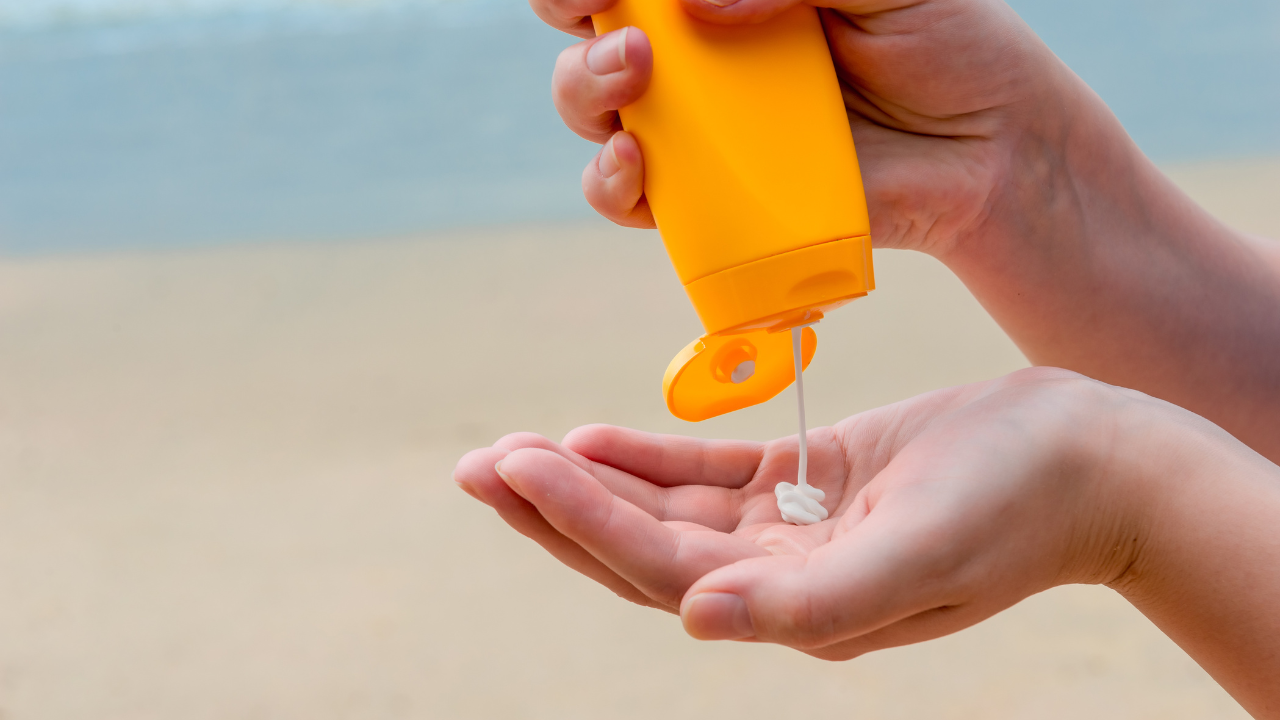
With the arrival of summer, concerns about protecting the skin against the effects of the sun increase. Still, sunscreen should not be seen as a seasonal product. It is a daily use item, essential for skin health at any time of year. In 2025, the World Health Organization (WHO) reinforced this guidance by including sunscreen in the list of essential products for public health, highlighting its role in preventing skin cancer, premature aging and other skin diseases.
Why sunscreen is essential all year round
Ultraviolet radiation is present even on cloudy or cold days and passes through clouds and glass. This means that the skin continues to be exposed to the harmful effects of the sun throughout the year, including during everyday activities such as driving, walking or working near windows.
Cumulative exposure to radiation is one of the main risk factors for skin cancer, as well as contributing to blemishes, sagging and wrinkles. Daily use of sunscreen significantly reduces these risks and should be part of your care routine, as well as skin hygiene and hydration.
How to choose the ideal protector for each skin type
The choice of sunscreen must consider your skin type and individual needs. People with oily or acne-prone skin should opt for products with a light texture, oil-free and non-comedogenic, which help control shine without clogging pores. Dry skin benefits from formulas with moisturizing agents, which protect and maintain a healthy skin barrier.
For sensitive skin, although it is common to believe that physical (inorganic) or mineral filters are ideal, today there are organic filters (previously called chemical) that have a well-proven safety profile, including for children’s use, provide effective protection and do not irritate sensitive skin. People with melasma, a history of skin cancer or specific diseases need even more rigorous photoprotection, with a high sun protection factor, proportional ultraviolet A protection (from one third to half of the ultraviolet B protection, expressed by SPF) and frequent reapplication.
Regardless of skin type, the sunscreen must offer protection against UVA and UVB rays and be reapplied throughout the day, especially after excessive sweating or contact with water.
Correct use makes all the difference in protection
There is no point in choosing a good product if it is not used properly. The amount applied is usually less than necessary to guarantee the protection indicated on the label. The ideal is to spread the product evenly and generously on all exposed areas, including ears, neck, lap, hands and feet.
Reapplication should occur every two or three hours in direct exposure to the sun and, on a daily basis, at least once in the middle of the period of greatest activity. In addition to the protector, additional measures such as wearing hats, sunglasses and clothing with UV protection (FPU, the ultraviolet protection factor) enhance the skin’s defense.
Sunscreen is no longer just a beach item but has become a daily health ally. Choosing the right product for your skin type and using it correctly is one of the simplest and most effective ways to prevent diseases and keep your skin healthy throughout your life. When care is continuous, the benefits appear not just in summer, but in all seasons.
Prof. Dr. Flávia Alvim Sant Anna Addor – CRM/SP 66.293 RQE 42.404
Dermatologist
Member of the American Academy of Dermatology
Full member of the Brazilian Society of Dermatology
Membro da Brazil Health
