
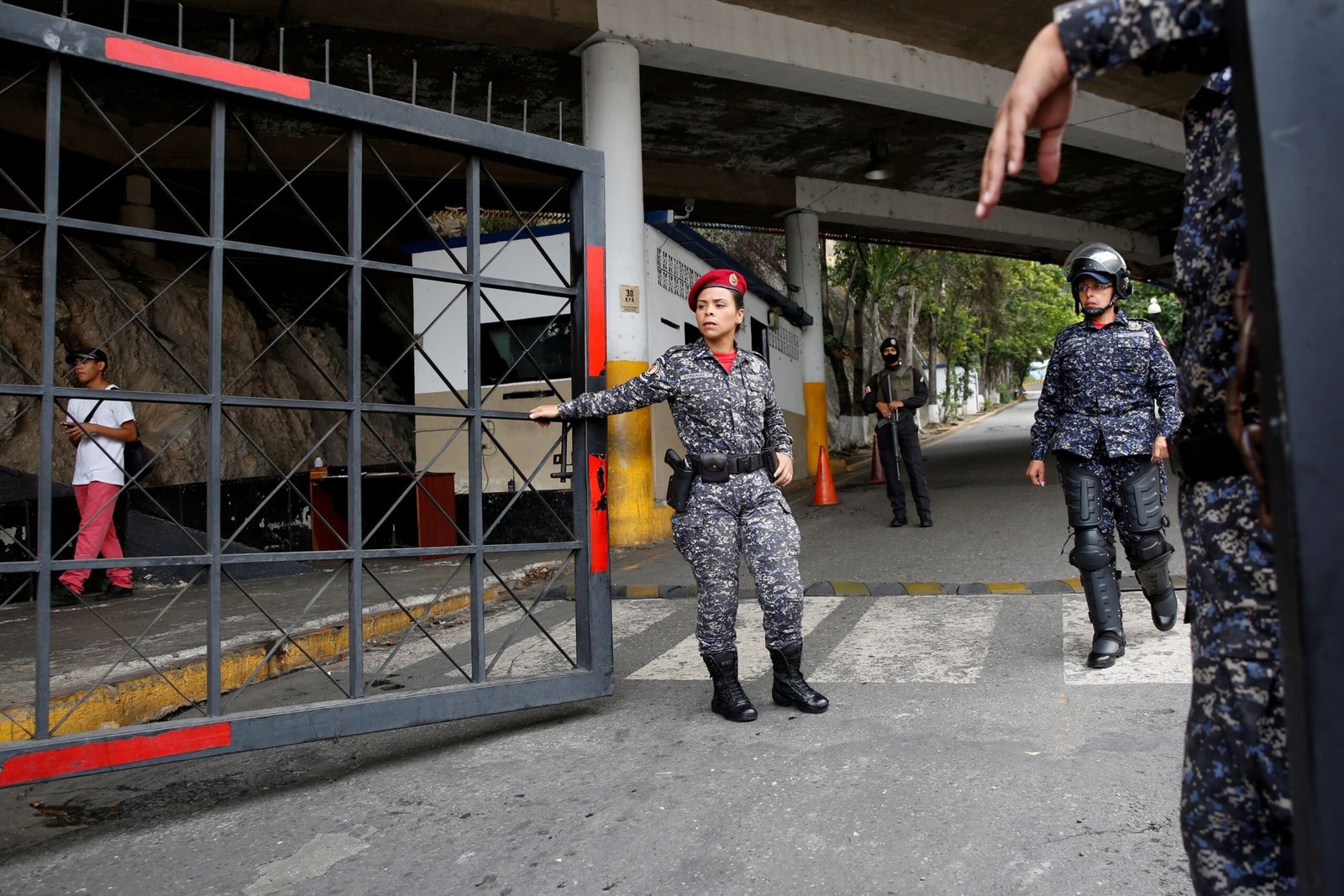
Image of the entrance to a detention center in Caracas, Venezuela, on October 20, 2020 Adriana Loureiro/Reuters Venezuela released, this Wednesday (14), fourteen journalists amid the slow release process promised by the interim government under pressure from the United States. These releases include renowned opposition activist Roland Carreño, and are in addition to those of American citizens announced the day before by the State Department in Washington. The interim government of Delcy Rodríguez, who took office after the fall of Nicolás Maduro in a bombing in Caracas ordered by Donald Trump, announced almost a week ago the beginning of this process of releasing political prisoners. NGOs estimate that Venezuela has between 800 and a thousand political prisoners. And there have already been 68 releases, including communication professionals, according to an AFP count that includes data from NGOs and opposition political parties. The Venezuelan NGO Foro Penal says that 72 people have been released so far. See the videos that are trending on g1 The government reported this week that 116 detainees had left prison, and the head of Parliament insinuated that there were 400, although he included figures from December. Delcy Rodríguez is scheduled to meet with the press this Wednesday. Second detention Authorities avoid carrying out releases directly in prisons, where dozens of family members have gathered since January 8 in the hope of seeing their loved ones outside their cells. Detainees are transferred from their detention centers to other locations to be released, away from the press. Carreño was released in a shopping center. Other leaders, such as former presidential candidate Enrique Márquez, were taken to their homes in an intelligence vehicle. Delcy Rodríguez was named interim president; for the interviewee, there was ‘betrayal’ on the part of the Chavista leadership to Maduro. Getty Images via BBC “They just warned us, right now we’re going to look for him,” José Alejandro Pérez, Carreño’s nephew, who was among more than 2,000 people who ended up in prison following the protests against Maduro’s questioned re-election in 2024, told AFP. Carreño was part of the Popular Will (VP) party and was a close collaborator of former opposition leader Juan Guaidó. Previously, he worked as a commentator on an opinion program on the Globovisión news channel. He was being held in the Rodeo I prison, on the outskirts of Caracas. He had previously been arrested between 2020 and 2023, accused of “terrorism”. And he was released amid negotiations between Venezuela and the United States on the way to the presidential elections. Roland Carreño’s case, at the time, was questioned by a mission of experts from the United Nations, an organization that denounced crimes against humanity in Venezuela in the repression of protests. ‘Justice for my son’ Others freed include reporters, cameramen, assistants and members of opposition press teams. Washington reported on Tuesday night that Venezuela had begun releasing American prisoners, without specifying a number: it just said it was more than one. “We welcome the release of Americans detained in Venezuela. This is an important step in the right direction by the interim authorities,” said a State Department official on condition of anonymity. The Trump administration had previously secured the release of Americans, in an exchange that involved Venezuelan immigrants held at the Cecot maximum security prison in El Salvador. A group of family members of the 200 people killed in the 2017 protests in Venezuela criticized this Wednesday, in Madrid, the “slowness” of the International Criminal Court (ICC) and called for speed in the investigation into crimes against humanity against Maduro’s government. “Today, after eight years, I will continue screaming and demanding justice for my son (…) We ask for speed,” said Zugeimar Armas, mother of Neomar Lander, a 17-year-old young man who died in the riots in Caracas in June 2017.
Source link
Venezuela releases 14 journalists amid pressure from Trump
44
