
The President of the United States, Donald Trumpannounced that American forces carried out airstrikes against militants from Islamic State (IS) in northwestern Nigeria this Thursday (25).
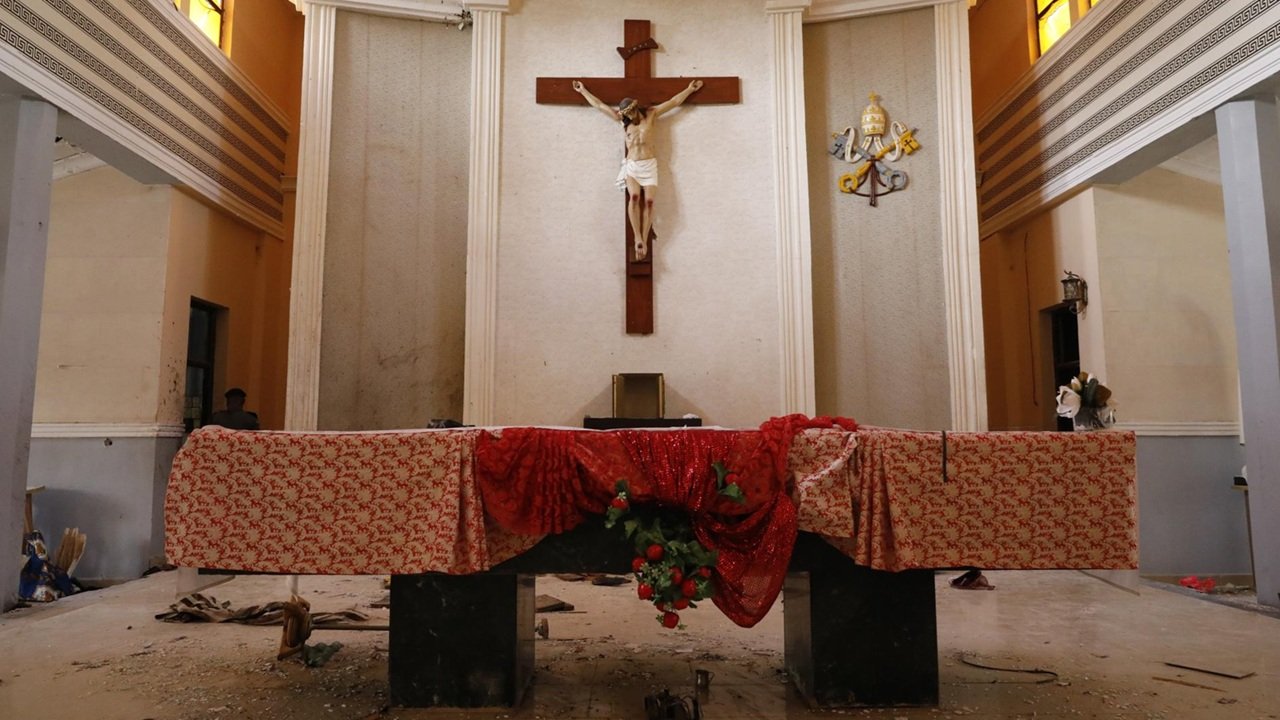
A military offensive, focused on the state of Sokotowas motivated by the escalation of sectarian violence and what the Republican leader described as the brutal murder of innocent Christians in the region.
“Perfect” attacks and religious protection
On his social network, Truth Social, Trump declared that the attacks were a direct response to the terrorists’ disregard for their previous warnings. “Tonight, under my orders as Commander of the Armed Forces, the United States launched a powerful and deadly attack against ISIS terrorist scum in northwestern Nigeria,” said the president, highlighting that the persecution of Christians has reached levels not seen for centuries.
Trump, who spent the Christmas holiday at his Mar-a-Lago club in Florida, praised the War Department’s execution, calling the attacks “perfect.” He reiterated his campaign promise that under his leadership, “radical Islamic terrorism” will not prosper.
Context of violence and diplomatic differences
The intervention comes after months of diplomatic tension. At the end of October, Trump had already signaled that Christianity faced an “existential threat” in Nigeria, threatening to intervene militarily if the local government did not contain the violence. As a pressure measure, Washington stopped all aid and assistance to the African country.
Despite military collaboration — the attacks took place with the consent of the Nigerian authorities and after reconnaissance flights that began in November — there is a clear disconnect in narratives. Nigeria’s government, led by President Bola Tinubu, argues that armed groups target both Muslims and Christians. The complexity of the situation was highlighted this same Thursday, when a suicide attack in a mosque in Maiduguri he killed five people and injured 35 others.
Nigeria, the most populous country in Africa, has suffered attacks from the extremist group Boko Haram since 2009, violence that worsened after 2016 with the emergence of its dissident group, the Islamic State of West Africa Province (ISWAP). With this action, Trump signals that the US is willing to act unilaterally or coordinated to protect religious minorities, fulfilling his promise to enter the region “all in” to ensure the freedom and security of Christian communities.
