
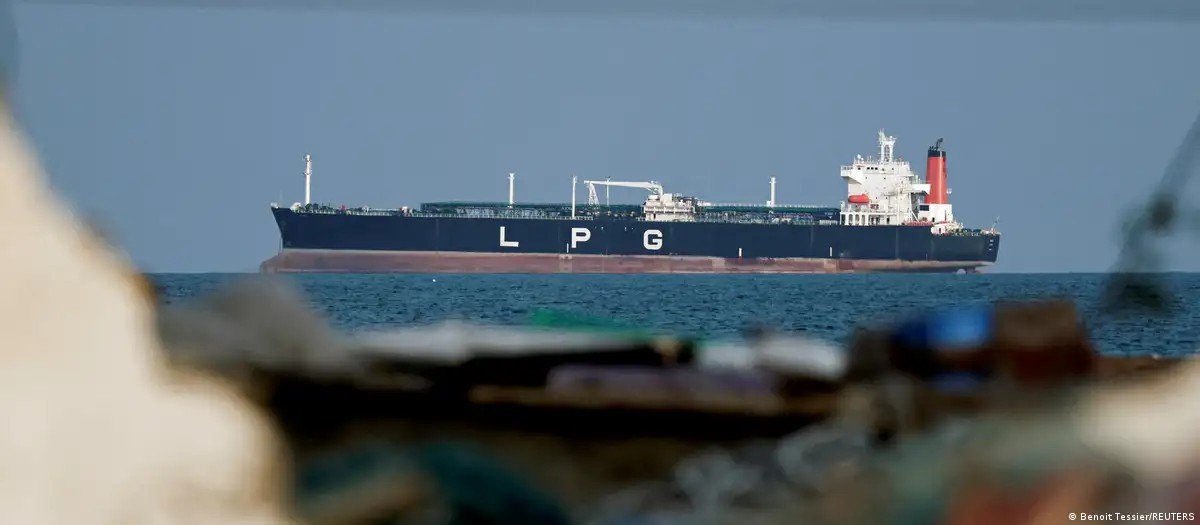
Iran says it will open the Strait of Hormuz to “non-hostile” vessels Benoit Tessier/Reuters Iranian authorities announced on Thursday (2) that the country is working on a protocol to guarantee maritime traffic through the Strait of Hormuz in conjunction with Oman. Deputy Foreign Minister Kazem Gharibabadi told Russian state news agency Sputnik that the protocol for managing the movement of vessels would be applied as soon as the war ended. The situation in Hormuz has caused increasing international concern. Also on Thursday, 40 countries called for the “immediate reopening” of the crossing. Countries in the Persian Gulf asked the UN for authorization to use force for this release, which harms their exports. The strait is an important maritime corridor, through which around 20% of the world’s oil exports pass. The flow is controlled by both Iran and the Sultanate of Oman, which holds an exclave on the south coast of the region. Trump’s statement and closure of Hormuz worry governments and markets Tehran has kept the crossing effectively closed since the country was attacked by the US and Israel on January 28. The blockade has caused global impacts on the price of fuel and the supply of fertilizers, among other industries. See below the main recent developments involving Hormuz: Iran said it is working with Oman on a protocol that ensures maritime traffic in the strait. It would only come into force, however, when the war with the US and Israel ended. In any case, this reopening would not apply to ships linked to the USA and Israel. According to Tehran, the strait will remain closed in the long term for both countries. Around 40 nations, led by the United Kingdom, demand the immediate and unconditional reopening of the strait, accusing Iran of holding the world economy “hostage”. Economic measures and sanctions are being considered. At the same time, the Gulf Cooperation Council (GCC), which brings together Persian Gulf countries, asked the UN Security Council for authorization to use force to free the sea route. Russia, Tehran’s ally, claims that the Strait of Hormuz is open to its vessels. Throughout March, Iran stated that the passage would be open to some ships, as long as they were not from enemies of the regime or allies of the US and Israel. Meeting without US The United Kingdom accused Iran this Thursday (2) of “holding the world economy hostage”, while diplomats from more than 40 countries participated in a meeting to discuss ways to reopen the Strait of Hormuz, a vital maritime route affected by the war between the United States and Israel against Iran. The United States did not participate in the virtual meeting. The absence comes after President Donald Trump stated that ensuring the safety of the maritime route is not an American responsibility. He also criticized European allies for not supporting the war and again threatened to withdraw the US from NATO. Illustration with map of the Strait of Hormuz Reuters Maritime traffic almost paralyzed Iranian attacks on commercial ships — and the threat of further attacks — have practically halted traffic in the Strait of Hormuz. Since the conflict began on February 28, there have been 23 direct attacks on commercial vessels in the region, with 11 crew members killed, according to maritime data company Lloyd’s List Intelligence. The flow of ships fell drastically. The few oil tankers that still cross the area are, for the most part, vessels trying to circumvent sanctions to transport Iranian oil. According to the company, Iran maintains strict control over who can cross the strait. In a speech on Wednesday night (1st), Trump stated that countries dependent on oil in the region “must take care of this”, indicating that the US will not intervene. Although the US does not import oil and gas directly via Hormuz, the decrease in supply has a direct impact on the American market, as it increases the price of a barrel on the global market. American voters are already seeing the prices of gasoline, transportation and merchandise rise, which threatens the president’s popularity.
Source link
Strait of Hormuz: the positions of Iran, the USA, Russia and Europe on the blockade that threatens the global economy
48

previous post