
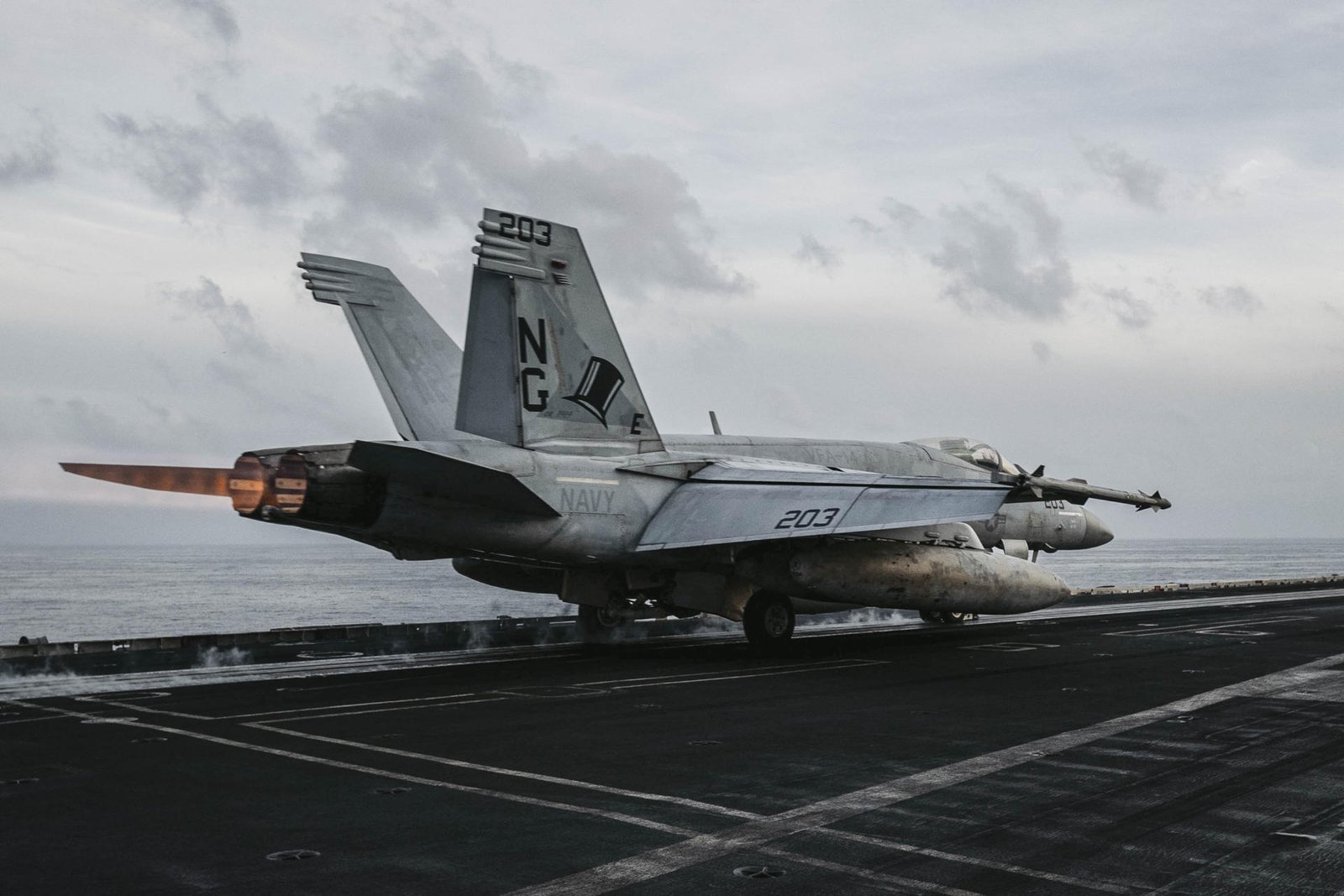
The war between the United States and Iran reached a critical point after the shooting down of an F-15E Strike Eagle fighter jet in Iranian territory on the 3rd. The incident resulted in the rescue of just one of the two crew members and triggered a search operation in the southwest of the country, where forces from the Islamic Revolutionary Guard Corps (IRGC) and American units dispute the whereabouts of a missing aviator.
The possibility of an American officer becoming a prisoner offers Tehran an unprecedented political trump card. Showing a prisoner on television would not only violate the Geneva Conventions but also give Iran a strategic advantage in ceasefire negotiations.
Donald Trump reacted with aggressive rhetoric, threatening to destroy critical Iranian infrastructure — desalination plants and energy plants. This escalation increases the risk of military confrontation, ruling out any immediate mediation.
American air superiority does not guarantee victory
Until now, the American air campaign was presented as “total dominance”, as Secretary of Defense Pete Hegseth declared. The loss of the F-15E — the fourth fighter of this model since the beginning of the conflict — and the damage to a Black Hawk helicopter expose cracks in Washington’s strategy, point out the The New York Times and the Washington Post.
Although Iranian air defenses have been attacked, mobile systems and the ability to quickly repair missile bunkers demonstrate that Tehran still has the ability to respond. An A-10 Warthog jet also crashed near the Strait of Hormuz, although its pilot was rescued in international waters. Despite 12,000 combat missions in five weeks, the material and human cost of war is rising.
The erosion of American air superiority changes the perception of risk among regional allies. Israel, which depends on air supremacy for its operations against Hezbollah in Lebanon, is watching closely. The Gulf countries—Saudi Arabia, the United Arab Emirates, Qatar—that bet on America’s ability to contain Iran now face uncertainty about the durability of that protection.
The aviator: a bargaining chip that could change the game
The Iranian government offered a reward of 10 billion tomans (about US$60,000) for the capture of the officer alive. This offer reflects Tehran’s understanding of the political value of an American prisoner in negotiations.
For Trump, who promised devastating retaliation, the capture of an American airman would represent a political humiliation that would demand an immediate response. This dynamic increases the likelihood of an escalation beyond the limits of the current air campaign.
The presence of a prisoner would also complicate any ceasefire negotiations. Iran would have veto power over any agreement, as the airman’s release would become an essential condition for any truce. This reverses the power dynamics that Washington tried to establish through military superiority.
Bushehr and Mahshahr: the targets that could change everything
A projectile hit the perimeter of the Bushehr nuclear power plant, damaging an auxiliary building. Although the International Atomic Energy Agency did not detect an increase in radiation, the incident generated global warning about nuclear risks in combat zones.
Significant damage to Iranian nuclear infrastructure could force Tehran into an even more aggressive response, potentially involving attacks on critical American infrastructure in the Gulf.
Explosions were also reported in the Mahshahr Special Petrochemical Zone, a vital center of Iran’s oil economy. Any structural damage to these facilities would accelerate the reduction of Iranian oil production capacity. Iran already maintains tight control over the Strait of Hormuz. An escalation that damages production infrastructure would transform this pressure into an effective blockade.
Israel continues to carry out heavy attacks against Tehran and Hezbollah targets in Lebanon, while Iran responds with daily missile salvos against Israeli territory. This action-reaction cycle is accelerating. The shooting down of the American F-15E does not interrupt this pattern—it intensifies it.
The loss of American aircraft suggests that American technological superiority does not automatically translate into operational control. This encourages regional actors — both Iran and groups supported by Tehran — to increase aggressiveness.
Hezbollah, which operates in Lebanon under Iranian protection, is watching these dynamics with interest. If Iran can demonstrate that it can inflict significant losses on Americans, it reinforces the narrative that resistance to American power is viable. This has direct implications for Lebanon’s stability and Israel’s security.
Europe seeks mediation as Trump prepares retaliation
The unannounced visit of Italian Prime Minister Giorgia Meloni to Qatar and Saudi Arabia — the first by a NATO leader to the region since the start of the war — highlights European concern about the trajectory of the conflict. Europe wants energy price stability.
This diplomatic mission reflects a growing divide between Washington and its European allies. As Trump signals willingness for massive retaliation, Europe seeks mediation. This fissure in Western cohesion weakens the ability of either side to impose a negotiated solution.
With no location of the missing aviator, the diplomatic compass points to an intensification of American military strength. Trump cannot allow an American official to be captured and shown on Iranian television without responding disproportionately.
The American military escalation will provoke an Iranian response. This response can take multiple forms: attacks on American ships, attacks on American infrastructure at regional bases, attacks on American allies, or even attacks on critical global infrastructure like the Strait of Hormuz.
