
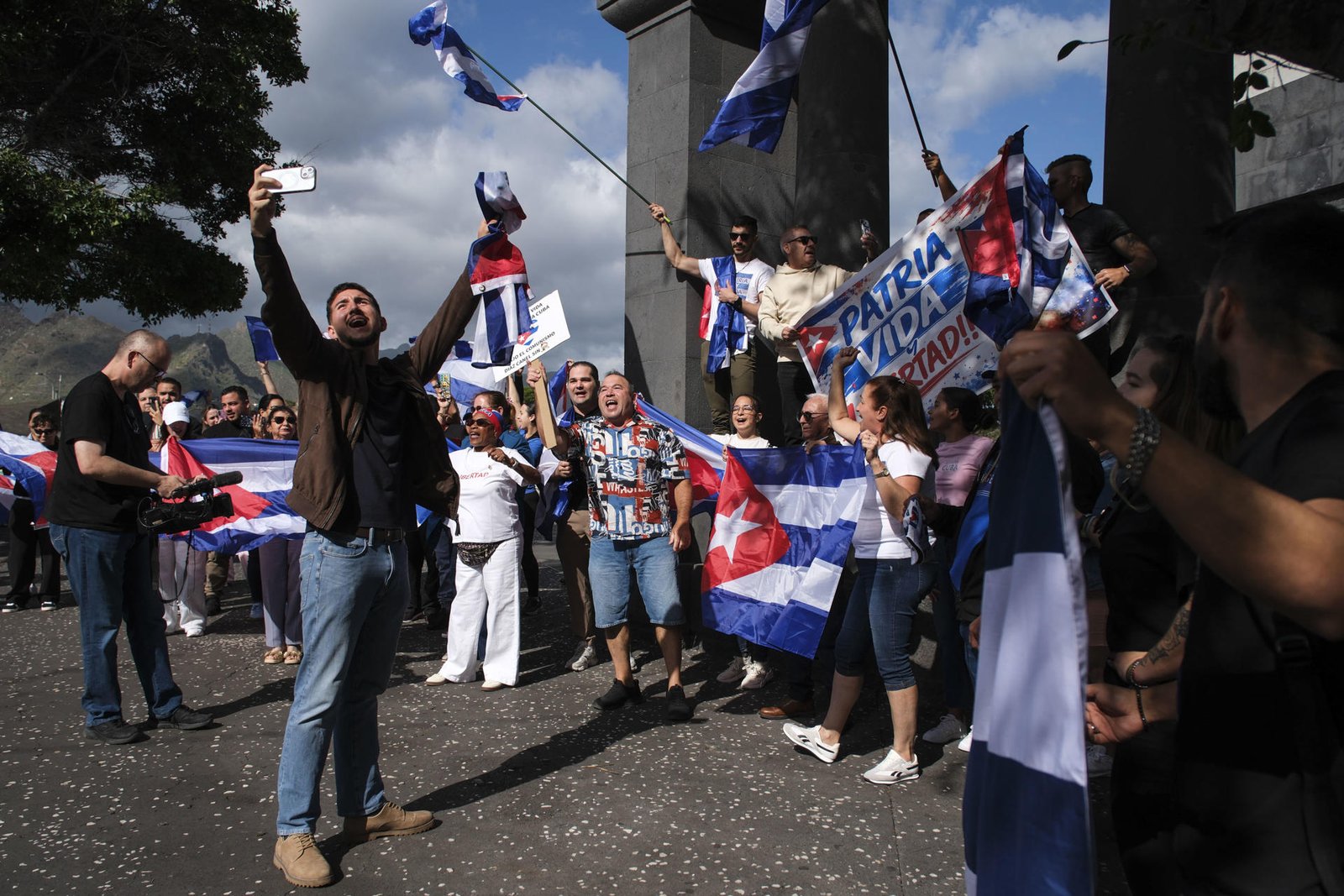
The NGO Observatorio Cubano de Conflictos stated, in a report published this week, that it registered 1,245 protests, complaints and civic actions in Cuba throughout the month of March, amid the worsening of the internal crisis on the island and growing pressure from the United States for political change in the country, which currently lives under the communist regime.
According to the survey, the number represents an increase compared to the 1,185 records in February and almost 80% more than in the same period in 2025. According to the organization, the demonstrations took place in all provinces of the island, with emphasis on the capital Havana region, which concentrated more than half of the cases.
The report points out that the main driver of popular dissatisfaction was the energy crisis. According to the NGO, three national electrical system collapses throughout the month of March provoked a sequence of in-person protests, including potholes, bonfires and shouts of “freedom” during the night.
According to the Observatorio, one of the most emblematic episodes occurred on March 13, in the city of Morón, in the province of Ciego de Ávila, when protesters invaded a local headquarters of the Communist Party, removed furniture and documents and set fire to the place.
The organization also highlighted the increase in so-called “actions challenging the State”, which totaled 556 incidents in the month – a record, according to the report. These actions include initiatives considered more risky by protesters, as they potentially generate direct repression by authorities.
According to the survey, the Cuban regime’s response included at least 159 repressive acts, with more than 40 arrests of protesters.
In addition to the energy crisis, the report points out that food shortages, inflation and the collapse of the supply system continue to put pressure on the population. According to the NGO, the state rationing system continues to deteriorate, while basic food prices have increased significantly due to lack of fuel and logistical difficulties.
The health system was also impacted by the crisis, according to the organization, with reports of lack of medicines, power supply failures in hospitals and long queues for surgeries and care.
The increase in demonstrations comes at a time of intensified pressure from the United States on the Cuban regime. President Donald Trump’s government has expanded measures in recent months to restrict oil supplies to the island, worsening the energy crisis.
American authorities assess that the current scenario could open space for a political transition in Cuba, while Trump even stated, at an event in Florida, that the country could be one of the next targets of the United States’ strategy after the conflict in Iran.
