
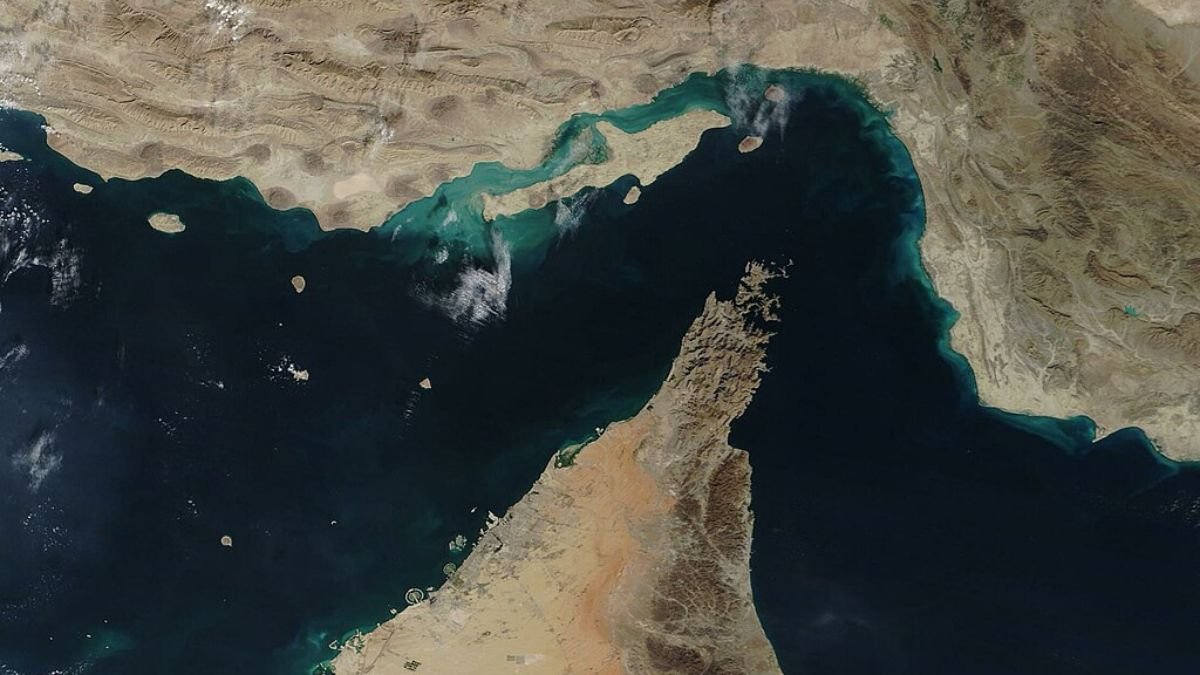
Iran’s Islamic regime said this Thursday (2) that it is negotiating with Oman the creation of a “joint protocol” to regulate navigation in the Strait of Hormuz in the post-war period, amid the conflict with the United States and Israel and international pressure to reopen the strategic route.
According to the Iranian state agency Tasnim NewsDeputy Foreign Minister Kazem Gharibabadi stated that the two countries, which share the coast of the strait, intend to establish “coordinated rules to guarantee the safe passage of vessels when peaceful conditions exist”.
Gharibabadi attributed the blockage of the Strait of Hormuz to the offensive by the United States and Israel and stated that, in war, “it is not realistic to apply peacetime rules” on the strategic route, through which 20% of the world’s oil passes. The Iranian diplomat also signaled that, even after the end of this conflict, the Persian country may maintain limitations on vessels from nations considered “aggressors” or aligned with them, both commercial and military. According to him, this guideline could be part of Iran’s policy in future conflict scenarios.
According to the Iranian diplomat, the draft protocol provides that, in normal times, ships wishing to cross the strait must coordinate in advance with Iranian and Omani authorities and obtain specific permissions, under the justifications of “maritime security and environmental protection”.
Gharibabadi stated that the document under discussion is in the “final stage of preparation” and that, after internal conclusion, Iran will begin formal negotiations with Oman to consolidate the agreement. According to him, the proposal does not aim to restrict traffic, but to “organize passage and offer greater control and safety on the route”.
This Wednesday (1st), the President of the United States, Donald Trump, blamed Iran and its ambition to develop nuclear weapons for the war. He also indicated that American and Iranian diplomats are in talks for a peace agreement and did not rule out new attacks if such an agreement is not reached.
Regarding the impasse involving Hormuz, Trump said that the countries affected by the blockade of the region, in this case the Europeans, should act to reopen the route.
This Thursday, European governments stated that they are considering imposing new sanctions against Iran if the Strait of Hormuz remains closed and reinforced their intention to guarantee the resumption of navigation in the region, but without signaling the use of offensive force.
