
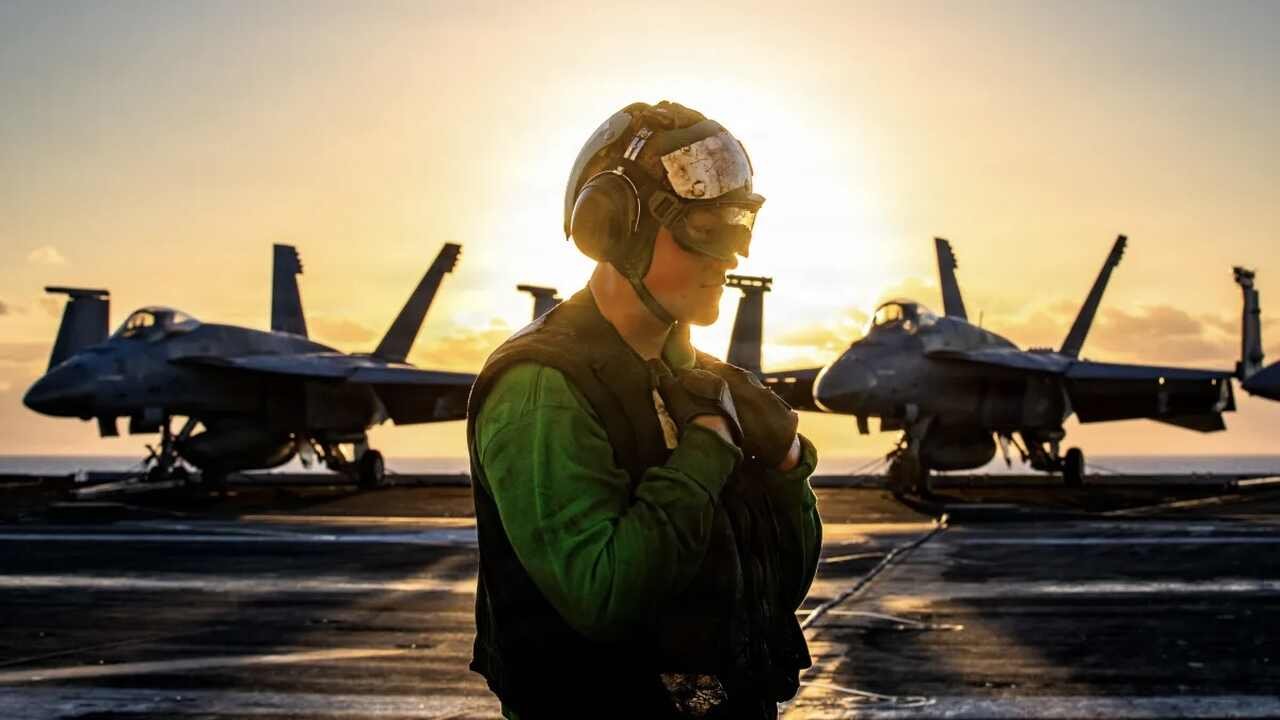
Images published by the US Central Command (CENTCOM) show the US armed forces in action during the operation Epic Fury i Iran.
The joint operation between the US and Israel, which began on February 28 after the death of the ayatollah Ali Khamenei in response to attacks against places with a US presence in the region, has now been going on for over a month.

Since then, the US military has coordinated precision strikes against bases, weapons depots and logistical centers in Iran, using cruise missiles, aircraft carriers, surveillance and attack drones, and enhanced missile defenses to protect troops and allies.
According to the Pentagon, the main objectives of the operation are Epic Fury to limit the activities of terrorist groups in Iran, protect trade routes, and respond to direct threats to U.S. forces and interests in the region.

In recent interviews, the President of the United States stated Donald Trump that the conflict with Iran could end within “two to three weeks”, and he defended a strategy based on intensive attacks to quickly neutralize the adversary’s military capabilities.

However, this statement contrasts with assessments by analysts and officials quoted in the press, which point to a more complex situation. Despite the first weeks of bombardment and naval operations conducted by CENTCOM, Iranian forces and allied groups continue to carry out attacks in the region.

Recent reports also indicate rising costs of the operation, which are already estimated at tens of billions of dollars, as well as losses among American soldiers. The economic and logistical consequences extend beyond the battlefield and affect both maritime trade and the global oil market.
Photo: US Central Command / US Central Command Public Affairs. This content was created with the help of AI and reviewed by the editors.
