
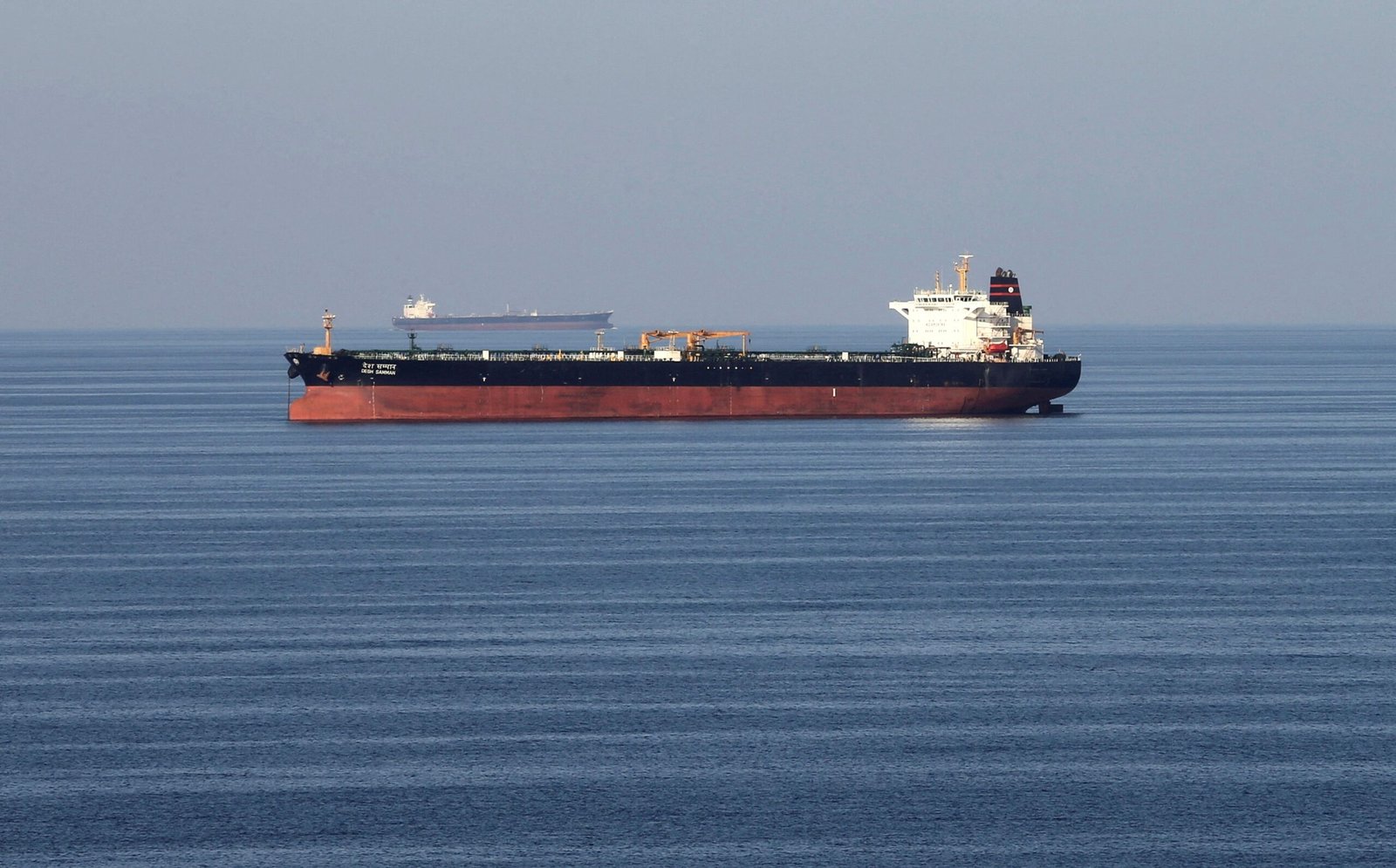
Why is the Strait of Hormuz so important? United States President Donald Trump said he is evaluating the possibility of taking control of the Strait of Hormuz, through which around 20% of the world’s oil passes. The statement was made in an interview with CBS News this Monday (9). ✅ Follow the g1 international news channel on WhatsApp The speech comes amid market pressure and the rise in the price of a barrel of oil, which approached US$120 and brought down stock markets around the world. The appreciation of oil could directly impact the American economy and influence the November elections in the USA. The price of oil has been pressured by the war between Iran, Israel and the United States. Iranian forces threatened to attack ships crossing the route, located between Iranian territory and the Arabian Peninsula. According to Trump, the United States “could do a lot” regarding the strait. He denied Iran’s claim that the road is closed and said it was considering taking control of the region. The president also threatened to destroy Iran if the country tries to interfere in the Strait of Hormuz: “They have already fired everything they have to fire, and they better not try anything clever, or it will be the end of that country,” he said. “If you do anything wrong, it will be the end of Iran and you will never hear that name again.” In the same interview, Trump stated that the war against Iran must end soon, as it is “virtually concluded”. After the declarations about the possible end of the conflict, the price of oil began to fall. Strait of Hormuz: war in the Middle East puts vital global oil route at risk; get to know Ship passes through the Strait of Hormuz REUTERS/Hamad I Mohammed/File Photo The Strait of Hormuz Located between Oman and Iran, the passage is responsible for transporting around 20% of all oil traded in the world and serves as a route for ships leaving the producing region heading to Asia, Europe and the Americas. The history of the Strait of Hormuz is marked by its importance as a commercial corridor and, more recently, as a strategic point for global energy. Since ancient times, the passage connected Persia, Mesopotamia and India to the Indian Ocean. In the 16th and 17th centuries, European powers fought for control of the region to protect its maritime routes. In the 20th century, the discovery of large oil reserves in the Persian Gulf increased the relevance of the strait. After the Second World War, it established itself as an essential route for transporting oil from the Middle East to other continents. During the war between Iran and Iraq (1980-1988), oil tankers were attacked, and the US began escorting vessels in the region. Since then, the strait has been one of the main sources of geopolitical tension. Iran has threatened to close it in response to sanctions and conflicts with the US and Israel, although it has never halted navigation for long periods. Currently, a significant portion of the oil consumed in the world passes through Hormuz, in addition to a large part of the gas exported by Qatar, which means that any conflict in the region will impact energy prices and global markets. Infographic – Strait of Hormuz Arte/g1 VIDEOS: most watched on g1
Source link
With oil under pressure, Trump considers taking control of the Strait of Hormuz
13

previous post