
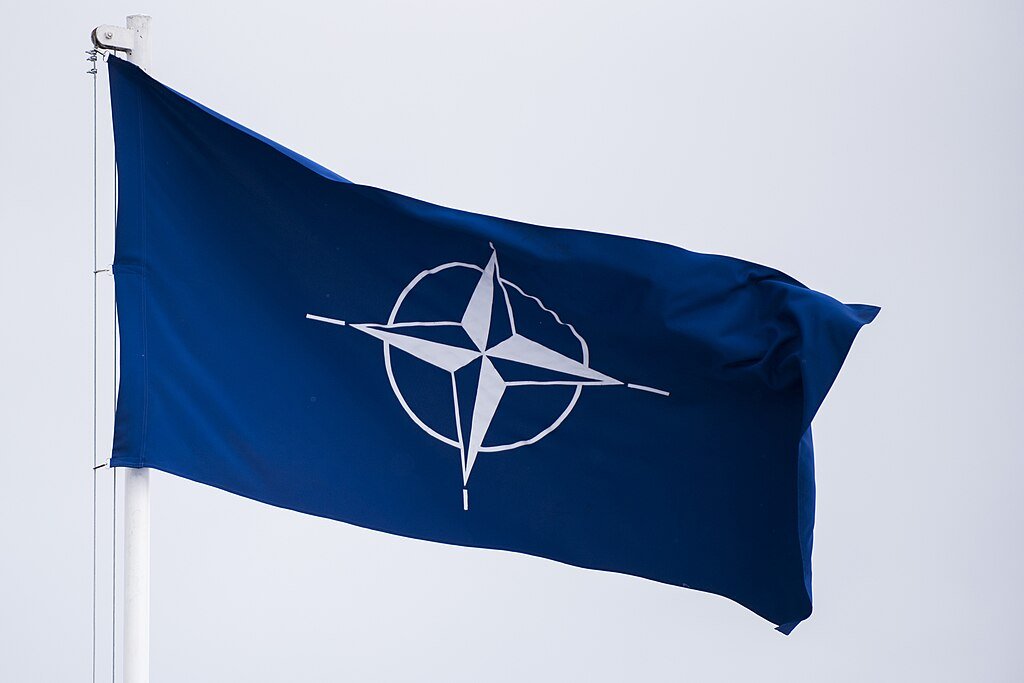
This Friday, March 20, 2026, Donald Trump harshly criticized NATO for not joining the military offensive against Iran. The impasse occurs while the Islamic regime blocks the Strait of Hormuz, raising global oil prices and generating strong economic pressure on the West.
What was Donald Trump’s main criticism of European allies?
The American president called NATO a ‘paper tiger’ and classified the allies as cowards. Trump claims that the operation to liberate the Strait of Hormuz is simple and low-risk, but that European countries prefer to stay silent while fuel prices soar. He stated that he will remember this lack of support in the future.
Why do NATO countries say they cannot join the conflict now?
Legally, NATO is a defensive alliance. This means that it is only obliged to act if one of its member countries is attacked directly on its territory. In the current case, the Europeans interpret that the offensive against Iran came from an initiative by the United States, which would not automatically trigger the organization’s collective defense rules.
What is the Strait of Hormuz and why is it so important?
The Strait of Hormuz is a small sea passage between the Persian Gulf and the Gulf of Oman. It is considered the ‘jugular vein’ of the world economy because it is the main route through which oil produced in the Middle East passes. When Iran blocks this route, global energy transport is interrupted, causing the price crisis that the world is experiencing today.
Is there any strategic risk that keeps Europe away from this war?
Yes. Analysts point out that Germany, France and the United Kingdom fear that a military intervention will turn into a long, very expensive and impossible to control maritime war. Furthermore, there is political discomfort due to the fact that Trump did not consult his partners before starting the attacks, which makes Europeans hesitant to send their troops.
Has NATO ever fought alongside the United States in similar situations?
The only time NATO’s collective defense clause was used was after the attacks of September 11, 2001. At that time, the allies understood that the US was the victim of clear external aggression and sent troops to the war in Afghanistan. The difference is that, in the current view of Europeans, the conflict with Iran has not yet reached this level of legal necessity.
Content produced based on information gathered by the Gazeta do Povo team of reporters. To access the full information and delve deeper into the topic, read the report below.
SEE ALSO:
- Why NATO doesn’t want to join the US war against Iran
