
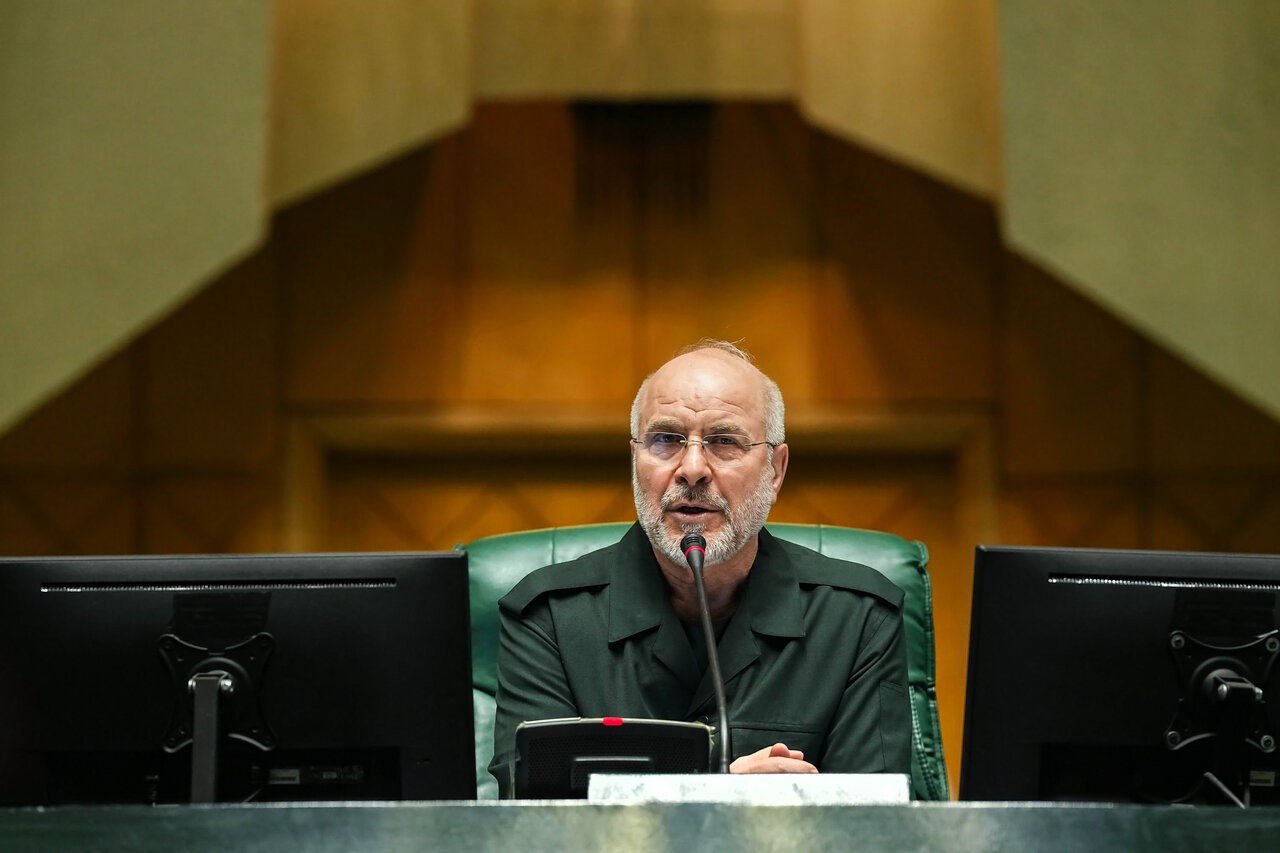
February 1, 2026, Tehran, Iran: Iranian Parliament Speaker Mohammad Bagher Ghalibaf, wearing Islamic Revolutionary Guard Corps (IRGC) uniform, attends a Parliament session in Tehran. Reuters/© Icana via ZUMA Press Wire The president of Iran’s Parliament, Mohammad Bagher Ghalibaf, is seen by the White House as the main US interlocutor within the country and even, possibly, the leader of a possible future government supported by the US. ✅ Follow the g1 international news channel on WhatsApp The information was published by the American website Politico, based on conversations with Trump administration officials, whose identity was kept confidential. Ghalibaf, 64, has repeatedly threatened the United States, but is seen by some in the White House as a reliable interlocutor who could even lead Iran, or at least negotiate a diplomatic way out of the war. On Monday (23), when US President Donald Turmp said there was an ongoing dialogue between his government and authorities in Tehran, Ghalibaf went public to deny the information: “Fake news is being used to manipulate the markets,” he said. Donald Trump announces pause in attacks on Iran’s energy facilities Although Iran has a Parliament and a president, the country is not considered a democracy — this is because an intricate system of commissions approves and disapproves candidates for high-ranking positions in the Republic, always in alignment with the supreme leader and the ayatollahs, who actually command the regime. Ghalibaf’s case is no exception. The politician began his political life as a soldier, after fighting in the Iran-Iraq War in the 1980s. At the time, the USA was formally aligned with Iraq, commanded by dictator Sadam Hussein. From 1997 to 2000, Ghalibaf rose through the ranks until he reached the position of commander of the Revolutionary Guards Aerospace Force, a military force tasked with defending the Islamic Revolution in the country. He was appointed to the post by the Supreme Leader himself, Ayatollah Ali Khamenei. He then became head of the police command and, soon after, mayor of Tehran. He has been leader of Parliament since 2020. White House Trump administration officials interviewed by the website Politico say that Ghalibaf would be the strongest name that the White House is considering, but that there are more “candidates” that are being considered. “It is a very promising option”, said one of the interviewees, pointing out, however, that it is not the only one. “He is one of the main candidates… But we need to evaluate them, and we can’t get ahead of ourselves.” “The goal is to install someone like Delcy Rodríguez in Venezuela and say, ‘We’re going to keep her there. We’re not going to take her out. You’re going to work with us. You’re going to give us a good deal, a priority deal for oil,'” said one of the sources interviewed by Politico. This Monday, Trump announced a 5-day pause in attacks on energy targets in the country to open negotiations. One of Trump’s fears about a prolonged war in Iran is the rise in oil prices on the international market. This could increase inflation in the US and erode the Republican’s already declining popularity, according to opinion polls. The issue is especially sensitive because the US holds mid-term legislative elections in November, and falling economic indicators could harm Trump’s party, causing Democrats to gain control of the House and Senate. In this case, the president would have great difficulty in approving laws of his interest and putting his political agenda into motion.
Source link
Who is the speaker of Iran’s Parliament, who the Trump administration sees as a possible new leader of the country
63
