
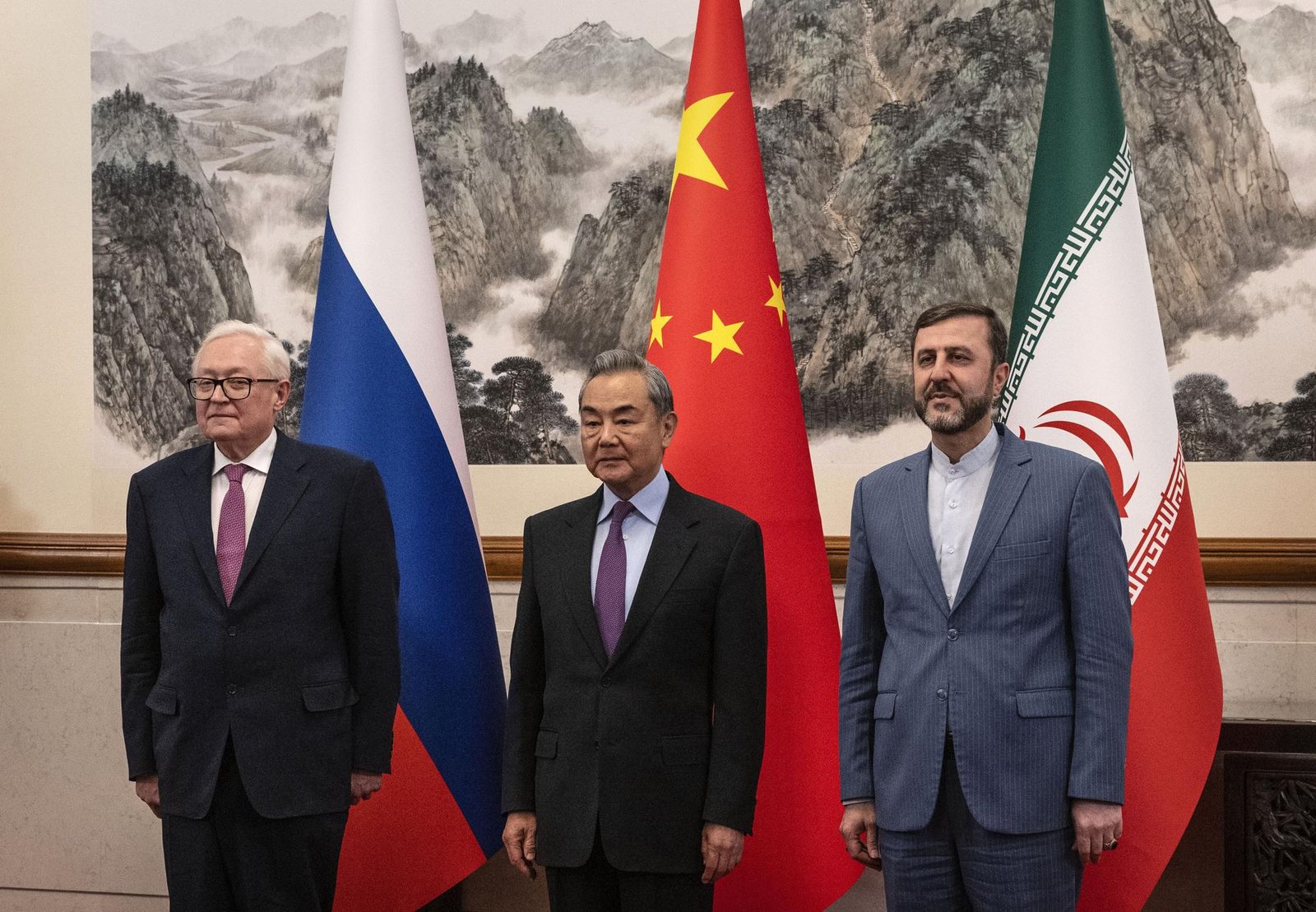
China and Russia condemned the recent US and Israeli bombings of Iran, but remain diplomatically cautious. Despite the strategic partnership with the Tehran regime, the powers avoid direct military involvement to protect their own economic interests and regional agendas.
What was the diplomatic reaction of Moscow and Beijing to the attacks?
The two regimes condemned the offensive, called for a ceasefire and defended dialogue. Russia classified the bombings at the UN Security Council as acts of aggression. China said the attack during negotiations was unacceptable and criticized the death of Iranian leader Ali Khamenei. However, the statements remained in the diplomatic field, without threats of military intervention.
Are there mutual defense agreements between these countries?
No. Although China, Russia and Iran have signed a trilateral pact to cooperate in energy, trade and defense, the agreement does not have collective defense clauses. Unlike NATO, where an attack on one member forces everyone to respond, the partnership between the three is strategic and economic, but does not guarantee automatic military protection in the event of an external war.
What would China lose if the conflict worsens?
Chinese interest is mainly economic and energy. China buys more than 80% of the oil exported by Iran at advantageous prices. Furthermore, Beijing invests heavily in infrastructure in neighboring Gulf countries through the New Silk Road. A large-scale conflict would destabilize energy supplies and put billion-dollar investments in the region at risk.
Why might Russia benefit economically from instability?
Instability in the Middle East tends to increase the international price of oil. As the Russian economy is highly dependent on the sale of the commodity to finance its public machinery and the invasion of Ukraine, any increase in prices is positive for the Kremlin’s coffers. Furthermore, Moscow is focused on the conflict against the Ukrainians and does not wish to open a second front of war.
What is China’s strategic military priority at the moment?
Beijing’s military focus is not in the Middle East, but rather around its own territory, specifically in relation to Taiwan. In the Xi Jinping regime’s naval and air modernization planning, the annexation of the island is the central priority. Diverting resources or risking direct confrontation with the US to defend Iran would undermine this core strategic agenda.
Content produced based on information gathered by the Gazeta do Povo team of reporters. To access the full information and delve deeper into the topic, read the report below.
SEE ALSO:
- What’s at stake for China and Russia in the Middle East war
