
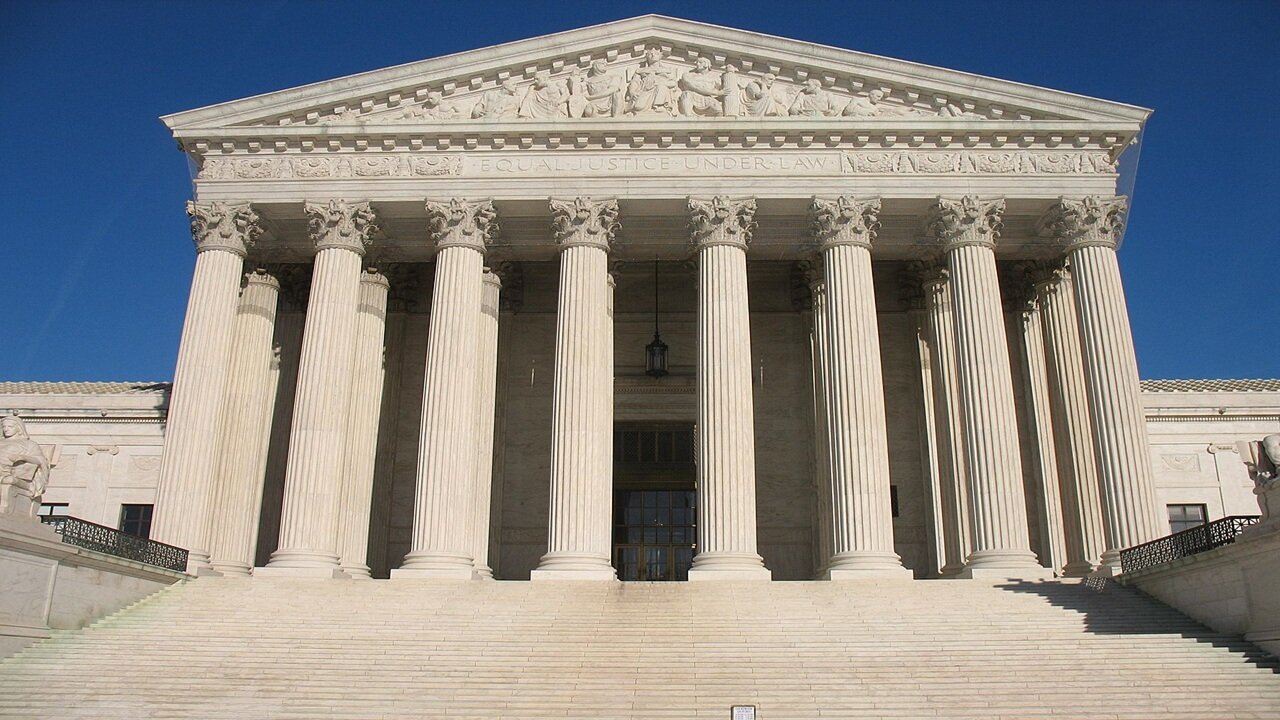
Conservative judges of the Supreme Court of the United States demonstrated this Monday (23), during a hearing in which they analyzed a case about the counting of votes sent by mail, support for arguments defended by the government of President Donald Trump and the Republican Party to prevent ballots that arrive at counting centers after election day from being counted.
The case was brought to the Supreme Court by the Republican National Committee (RNC), which is challenging Mississippi’s law that allows mail-in votes to be counted up to five days after Election Day. The Trump administration supports the action and says federal law requires all votes to be received by the official voting date.
During this Monday’s hearing, conservative judge Samuel Alito stated that allowing the counting of votes sent by mail that arrive at the election center after the polls close could undermine confidence in the result. According to him, when the result changes days later due to the arrival of new votes, voters may start to doubt the legitimacy of the election.
In turn, conservative judge Brett Kavanaugh also expressed concern about what he called the “appearance of fraud”, stating that rules that allow late arrival of votes can generate distrust even when there are no proven irregularities. Conservative Justice Neil Gorsuch said there is consensus among Democrats and Republicans that voting needs to be completed by Election Day while conservative Justice Clarence Thomas raised doubts about the current interpretation of election rules.
The decision made in this case could affect laws in at least 14 states and the District of Columbia, where there is extra time for mail-in votes to arrive. In some cases, the additional period also applies to military personnel and voters living abroad.
The Supreme Court is expected to make a decision on the case by the end of June. If the understanding defended by the Republicans is confirmed, states may be forced to count only votes received until Election Day, which could change the way tight disputes are defined in the United States.
