
The arrival of new American troops in the Middle East reinforces the perception that the United States is preparing for a longer and more complex conflict against Iran. The deployment increases military pressure in the region and fuels fears of an even greater escalation of the war.
On Saturday (28), the American amphibious ship USS Tripoli entered the area of operation of the US Central Command, CENTCOM, transporting 3,500 marines and sailors. The vessel also carries aircraft, tactical equipment and support structures for military operations.
The most recent reinforcement adds to a mobilization that had already been expanded since the beginning of the conflict, at the end of February. In recent weeks, Washington has deployed additional warships and increased its military presence near Iran.
With this, the USA begins to operate with an even larger structure in the region. The new deployments add to the approximately 50,000 American troops who were already positioned in the Middle East before the arrival of the new forces.
In addition to this contingent, information released last week indicated that the Pentagon is also considering sending at least 1,000 soldiers from the 82nd Airborne Division. The measure would further expand the American response capacity in the face of a prolonged war scenario.
The arrival of these troops gives the Donald Trump administration more options for action. The deployment of marines, aircraft and amphibious assets strengthens both the ability to attack and react quickly in the event of new clashes.
Still, it remains uncertain whether the United States intends to launch a ground offensive on Iranian soil. Trump himself has given contradictory signals about this possibility, alternating harsh statements with speeches in which he reduces the chance of sending troops into direct combat.
If there is a landing on Iranian territory, it would be the first major American ground operation since the withdrawal from Afghanistan in 2021.
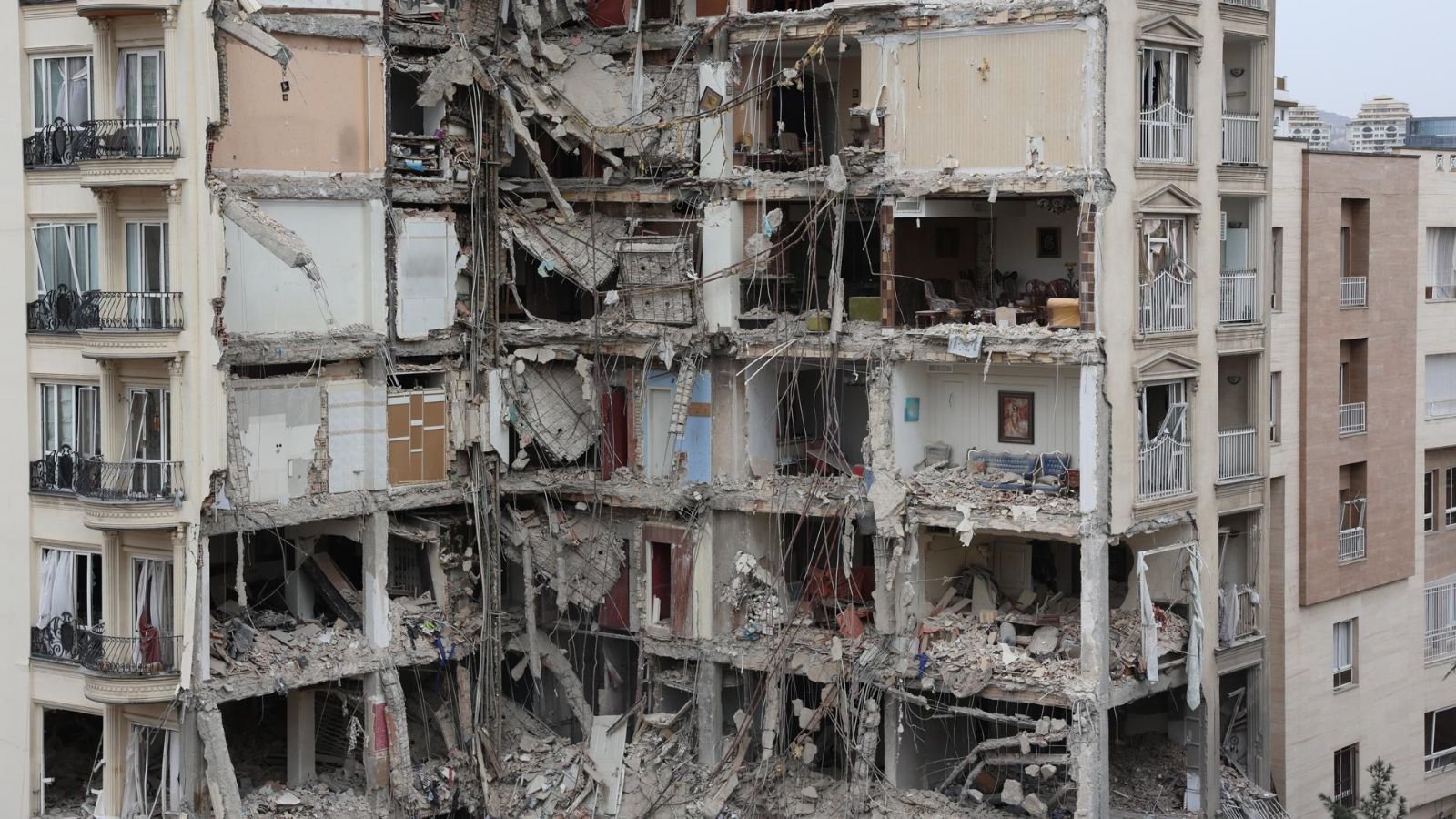
The war, which began on February 28 with the joint US and Israeli offensive against Iran, has already entered its second month. Since then, the conflict has spread across the region, reaching neighboring countries and raising tension in strategic areas for international trade.
In addition to the military impact, the crisis is also worrying due to its economic effect. Instability in the Gulf and around the Strait of Hormuz, a vital route for oil, increases the risk of rising energy prices and further shocks to the global economy.
SEE ALSO:
- Iran claims to have launched a new wave of attacks against the US and Israel in the Middle East
