
The director of the United States National Counterterrorism Center, Joe Kent, published this Monday (17) a letter in which he announced his resignation from the position and justified the decision by criticizing the war against Iran, which began after American and Israeli attacks against Tehran on February 28.
In the letter, published on the social network X, Kent stated that he could not support the ongoing conflict in Iran and said that the Persian country “did not represent an imminent threat” to the USA. The statement was contested by White House spokeswoman Karoline Leavitt, who, in response to the publication, defended President Donald Trump’s decision to authorize the military operation. The episode highlighted differences within the Trump administration itself regarding the conduct of the conflict against the Islamic regime.
Kent wrote that he supported the foreign policy defended by Trump in the 2016, 2020 and 2024 election campaigns, but stated that the current conflict repeats “mistakes of the past”. According to him, Trump’s decision to authorize attacks against Iran was “influenced” by “pressure from Israeli authorities” and by what he described as a “powerful Israeli lobby” in the United States, which, according to his letter, “promoted a campaign” to convince the American government that there was an imminent threat from Tehran against Washington.
“I cannot support sending the next generation to fight and die in a war that brings no benefit to the American people,” he wrote.
In response to Kent’s post, spokeswoman Leavitt said the now-former counterterrorism director’s letter contained “several false allegations” and rejected the claim that Iran posed no immediate threat to the United States. According to her, President Trump had “strong and convincing evidence” that the Iranian regime was preparing an attack against Washington.
Leavitt also stated that the decision to launch the military operation was made based on information from several intelligence agencies and was intended to prevent Tehran from advancing its nuclear program.
“The President determined that a joint strike with Israel would reduce the risk to American lives and address an imminent threat to national security,” he wrote.
The spokeswoman also denied that the decision was influenced by other countries. According to her, the accusation that Trump acted under external pressure, such as that from Israel, is “absurd” and ignores a fact that Trump has defended for decades: that Iran cannot obtain nuclear weapons.
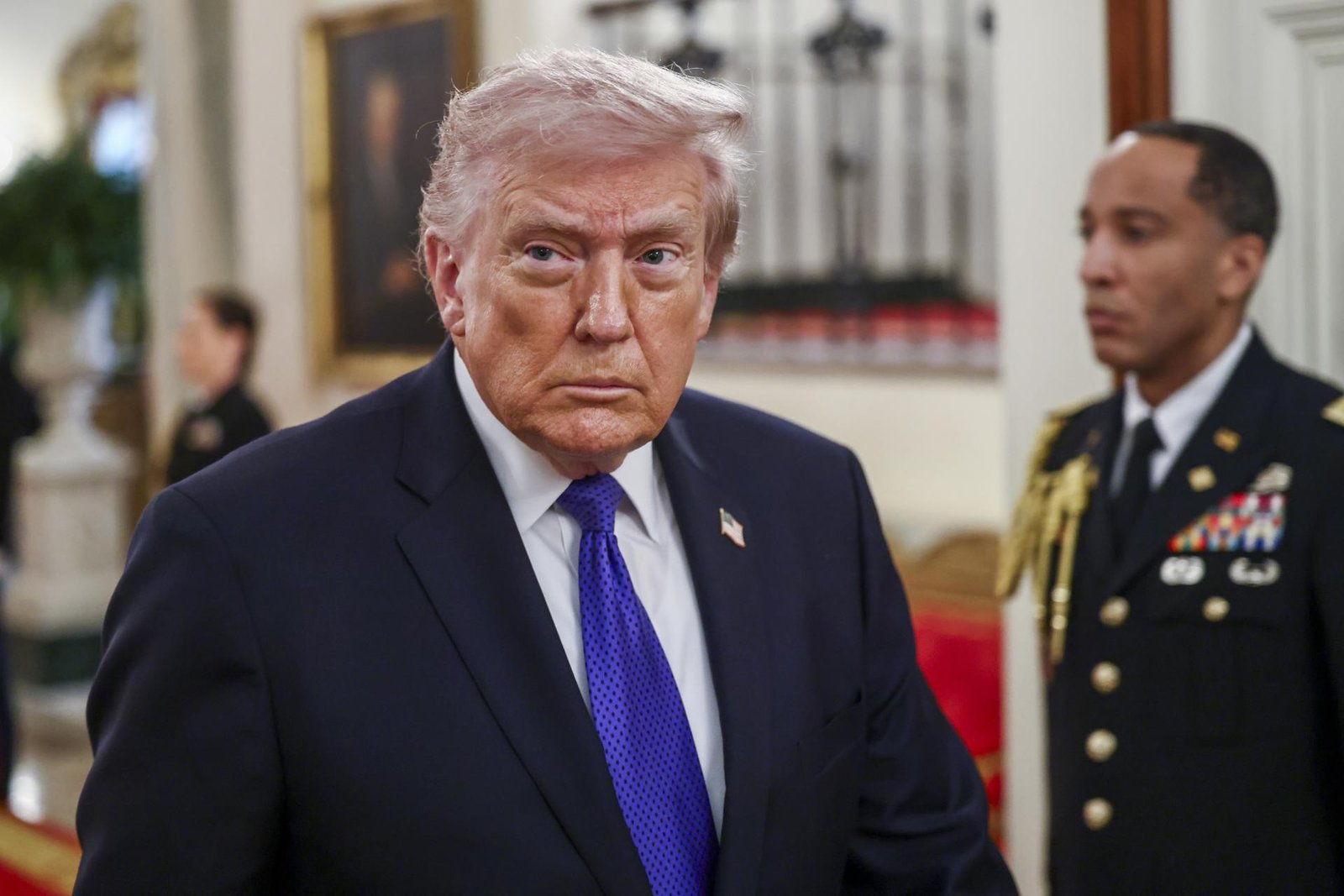
Trump commented on Kent’s resignation during a press conference at the White House. The president classified the former director of counterterrorism as “weak on security issues” and considered his departure positive after reading his letter questioning the war.
“When I read his statement, I realized it was a good thing he left, because he said Iran was not a threat. Iran was a threat,” he said.
Division in the White House and Maga over the war
Since the beginning of the offensive against Iran, the Maga (Make America Great Again) movement, which makes up President Trump’s main electoral base, began to demonstrate differences over the decision to enter and maintain the war in the Middle East. Some of the president’s allies defend the military operation, while another group argues that the conflict goes against the promise of avoiding new external interventions.
Conservative commentator and journalist Tucker Carlson was one of the members of Maga who opposed the ongoing war in Iran. Carlson has made frequent criticisms against the conflict and, recently, said that he could become the target of an investigation by the Central Intelligence Agency (CIA) for having maintained contacts with interlocutors in Iran before the war, which, according to him, was being used to try to frame him under legislation that regulates the actions of foreign agents. In addition to him, journalist Megyn Kelly, who supported Maga and Trump in the 2024 elections, also criticized the war.
Surveys released by the American press indicate that the majority of Republican voters support military action, but there is a division between supporters who identify with the Maga movement and more traditional sectors of the Republican Party. Among voters most aligned with the discourse against the war in Iran, concern is growing about the risk of a long confrontation and its effects on the American economy.
In addition to the Maga base, the division also reached the White House itself. According to information published by the agency Reuters and the newspaper PoliticoTrump administration advisors disagreed over the conduct of the operation against Iran and the duration of the military campaign in the Persian country. Members of the White House economic team have warned of the impact of the war on the price of oil and the cost of living in the United States, while allies more aligned with the security area advocate maintaining pressure on the Iranian regime until its nuclear and military capabilities are neutralized.
The differences even involved Vice President JD Vance. According to government officials interviewed by the newspaper PoliticoVance demonstrated skepticism before the attacks against Iran began. After the start of the operation, however, the vice president began to publicly defend Trump’s decision.
This Monday (16), Vance said he trusted Trump’s handling of the conflict and said he believed the government would avoid repeating mistakes from previous wars in the Middle East.
“I trust President Trump to ensure that the mistakes of the past are not repeated,” he declared during a press conference at the White House.
