
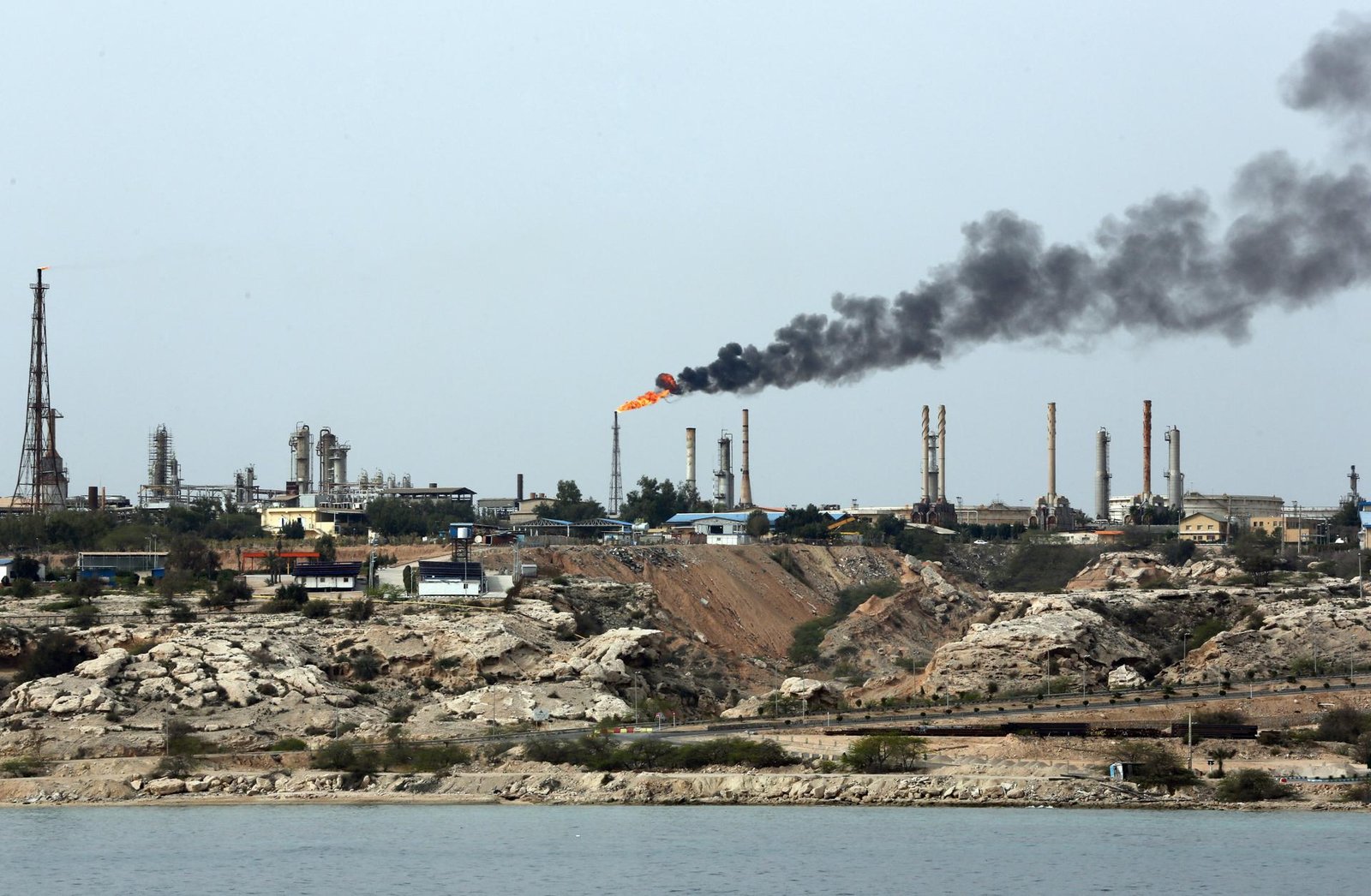
A small 20 km² island in the Persian Gulf became the center of military attention this week in March 2026. Kharg Island, which drains 90% of Iranian oil, appears as the ideal pressure point for the US and Israel to weaken the economy and the Tehran regime’s Revolutionary Guard.
What role does Kharg Island play in Iran’s economy?
The island functions as a huge export and storage terminal. It is the country’s main physical ‘bottleneck’, through which almost all crude oil sold abroad passes. Recently, Iran reached the mark of 4 million barrels per day processed at the site, a record not seen since 2018, reinforcing Kharg as the pillar of the government’s financial survival.
Who controls operations in this strategic area?
The island is under direct surveillance by the Islamic Revolutionary Guard Corps. This paramilitary group, which acts independently of the regular armed forces, uses the resources generated by oil to finance the internal repression apparatus and keep the public machine functioning. The relationship between Guarda and the Kharg terminal is considered symbiotic by experts.
How does oil production circumvent international punishments?
Iran uses what experts call a ‘ghost fleet’ to circumvent Western embargoes and sanctions. Kharg Island is the starting point for these ships that carry fuel mainly to the Chinese market. Losing this control would mean an immediate strangulation of Tehran’s foreign currency earnings.
What are the risks of a direct attack on this infrastructure?
The main fear is a shock to the global economy. A blockage or destruction of the terminal would cause the price of a barrel of oil to skyrocket, with estimates of an immediate increase of between 10 and 12 dollars. As the damage would be severe, oil would be off the market for a long time, generating prolonged instability in fuel and energy prices around the world.
Would a coup in Kharg be able to overthrow the regime immediately?
Analysts estimate that the drop would not be automatic. Although it caused a financial collapse and prevented the payment of security forces, authoritarian regimes often survive for long periods in a ‘war economy’. The fall would depend on other factors, such as divisions between religious and military leaders and the ability of the internal opposition to organize.
Content produced based on information gathered by the Gazeta do Povo team of reporters. To access the full information and delve deeper into the topic, read the report below.
SEE ALSO:
- The most sensitive point in Iran that the US and Israel have not yet reached
