
The price of a barrel of Brent oil reached the US$85 mark this week, driven by the escalation of the military conflict between Iran, Israel and the United States. The global rise in the commodity raises concerns about the direct repercussions on Brazil’s economy, with the risk of price repercussions and pressure on inflation in the coming months.
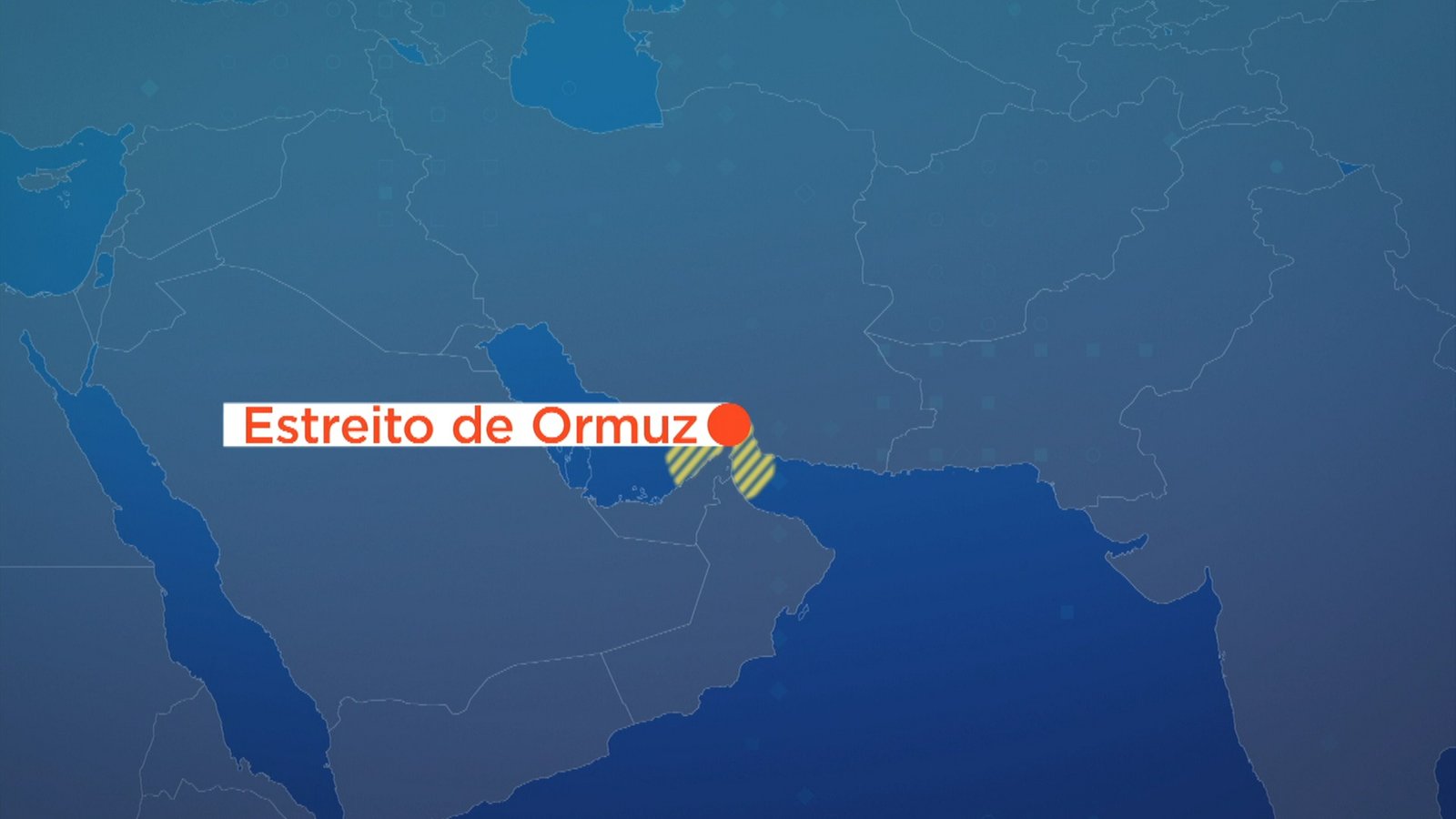
The main concern is the logistical and geopolitical blockage in the Strait of Hormuz. Located on the Iranian coast, the region represents a crucial strategic route through which around 20% of all global oil passes. The restriction on the area directly affects the distribution of the product to different continents.
In addition to the interruption of maritime traffic, points of attention include the partial pause in gas production and refining in Qatar and Saudi Arabia.
For FGV-EESP researcher Tatiana Pinheiro, the maintenance of the blockade will dictate the direction of raw material prices.
The expert assesses that, if the navigation flow remains interrupted for the next four weeks, as some projections indicate, oil has real potential to reach the significant US$100 mark.
According to the researcher, an extreme scenario like this would have significant and immediate effects for Brazil. The direct impact would occur on logistics and fuel costs, strongly affecting the prices of gasoline and diesel at the pumps.
The indirect effects on the production chain also raise a strong alert. As the economist points out, the continuous rise in oil prices hits the daily operations of the chemical and plastics industries hard.
“Petroleum oil is in the chemical chain and in the plastics chain, so, consequently, it is in everything we consume. In household appliances, which have a lot of plastic components, in cars, which have a lot of plastic components and in all personal care areas.
Because they are chemical products: shampoo, soap, dish detergent, bleach. The price of oil goes beyond car fuel”, explains the economist.
The passing on of the increase in raw material prices to the end consumer, according to Tatiana Pinheiro, does not occur immediately on supermarket shelves. The researcher estimates that the increase will reach Brazilian citizens’ pockets within a period of one to three months.
This absorption period, she explains, essentially depends on the volume of stocks that national companies currently have. As soon as the old inputs run out, the replacements will reflect the new reality of market prices.
The environment of military instability also provoked severe reactions in global markets in the first financial sessions of the week. Asian stock markets, such as those in South Korea and Japan, recorded abrupt and significant drops.
The main European and American stock indices followed the same downward trend throughout the negotiations.
For financial planner Marcelo Bolzan, the current context requires extreme caution and coolness on the part of those who invest resources.
He assesses that the increase in international risk generates a natural movement of capital flight to safe havens. This dynamic boosts the US currency and brings down variable income assets in Brazil.
Today was a worrying day. And the big question is how long it will be resolved. How long will this Strait of Hormuz be closed? How high can oil prices go? So all of this has brought a greater level of apprehension to the markets. So it’s that movement of global aversion, which is a fall in stock markets, a rising dollar, right? The investor is looking for a safe haven here. And right now, it’s not the time, right, to switch from water to wine.”
This Tuesday (3), President Donald Trump declared that the country has not reached the desired level in terms of advanced weapons. However, he emphasized that the country has “practically unlimited” reserves of medium and medium-high range ammunition, suggesting that conflicts could be fought “forever”.
For Bolzan, the prolongation of the conflict and the spike in fuel prices could accelerate inflation and weigh on Americans’ pockets.
“Regarding the time needed to resolve the conflict, Trump indicated an initial deadline of four to five weeks. However, he highlighted the possibility of extending the war indefinitely, given the military capacity to maintain it for as long as necessary. It is important to note that the rise in oil prices is not favorable even for him. There, the adjustment in fuel prices is immediate, unlike in Brazil, where Petrobras follows specific adjustment rules, which could impact inflation.”
