
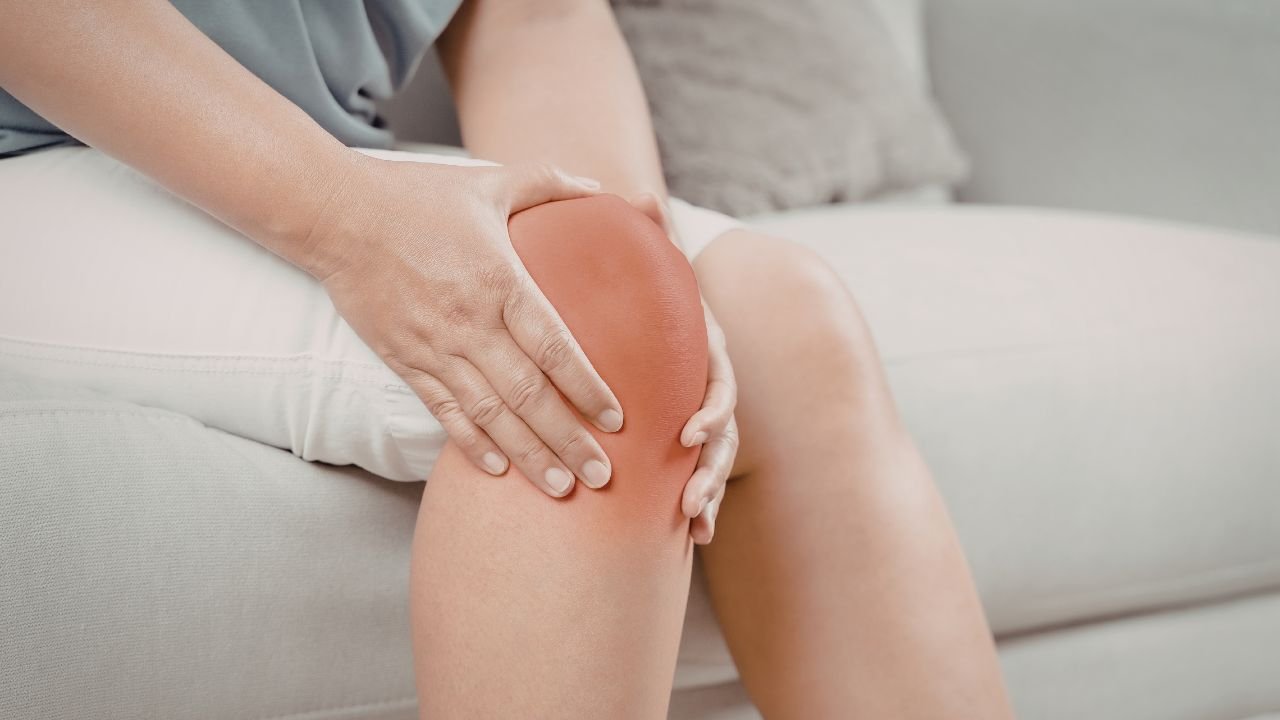
Anterior cruciate ligament (ACL) injury is one of the most feared injuries among physical activity practitioners and athletes. Located in the center of the knee, this ligament is essential for stability, especially in turning, jumping and quick changes of direction. For many years, treatment followed an almost unique path: surgical reconstruction with a graft. Today, this scenario begins to change.
Personalization and preservation gain strength
Scientific and technical advances have allowed a more individualized approach, which considers the type of injury, the patient’s profile and their functional objectives. In some selected cases, medicine is even discussing the possibility of preserving the original ligament, something that until recently was unthinkable.
One of the big news is the return of the ACL repair concept, in very specific situations. In ruptures located close to the ligament insertion and with good tissue quality, modern techniques allow stimulating the healing of the ligament itself, combining mechanical and biological support. Recent studies show that, when well indicated, these approaches can achieve functional results similar to those of traditional reconstruction, although they are not yet applicable to the majority of patients.
More modern reconstruction and custom grafts
While reconstruction remains the best option, the way to carry it out has also evolved. One of the current highlights is the use of the quadriceps tendon as a graft. It has been gaining ground as it presents results comparable to those of more traditional grafts, such as hamstring tendons and patellar tendon, with the potential advantage of less pain at the removal site and good biomechanical resistance. The choice of graft today is increasingly personalized.
More protection and stability when returning to sport
Another important change is the attention to rotational instability of the knee. In young patients, athletes or those at high risk of re-injury, ACL reconstruction can be associated with extra-articular lateral reinforcement, a technique that helps to better control rotational movements. Recent evidence suggests that this association can reduce the chance of surgery failure in specific groups, without significantly increasing complications.
There is also growing interest in the use of internal mechanical reinforcement and biological therapies as a complement to surgical treatment. The proposal is to protect the graft during the healing phase and try to optimize its integration. However, despite the enthusiasm, these resources are still not considered standard of care. The results vary greatly and depend on the technique, indication and patient profile.
It is important to emphasize that none of these innovations eliminates the need for adequate rehabilitation. Physiotherapy remains an essential part of ACL treatment, both in operated and non-operated cases. Muscle strengthening, neuromuscular control and progressive return to sport are crucial to long-term success.
The treatment of ACL injuries is increasingly moving towards personalization. There is no one-size-fits-all solution. The choice between repairing, reconstructing, combining techniques or opting for complementary approaches must be made carefully, based on scientific evidence, individual assessment and clear dialogue between doctor and patient.
Dr. Camila Cohen Kaleka – CRM/SP 127.292 RQE 57.765
Orthopedist
Master’s degree at the Faculty of Medical Sciences of Santa Casa de São Paulo
PhD at the Albert Einstein Israeli Institute of Education and Research
Membro da Brazil Health
