
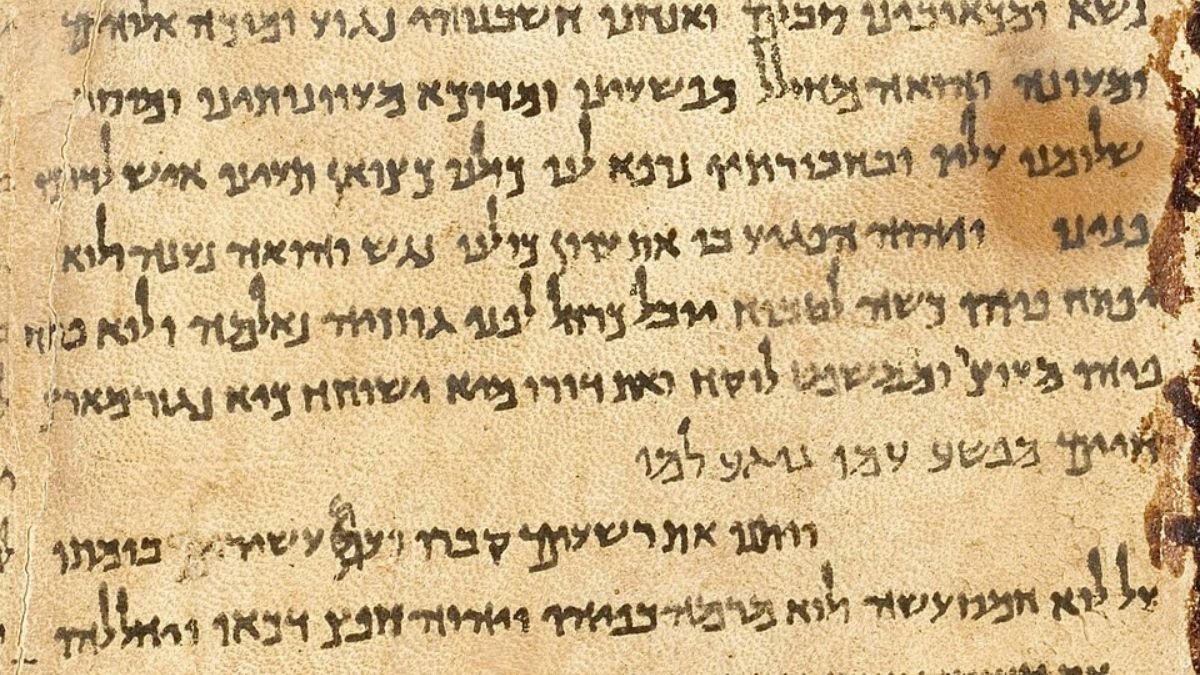
A new discovery regarding one of the biblical scrolls has attracted attention among scholars of biblical archeology. This is the Great Scroll of Isaiah, one of the most famous manuscripts found in the caves of Qumranregion close to the Dead Sea, in Israel.
These texts are part of the set known as the Dead Sea Scrolls and contain the complete book of the prophet Isaiah. It is considered the oldest biblical parchment with a text preserved practically in its entirety.
Where and when was the biblical manuscript found produced?
The manuscript was produced between the 3rd and 2nd centuries BCduring the Second Temple period, before the Temple in Jerusalem was destroyed by the Romans.
This context is central to understanding the ancient writing in the Temple of Jerusalem and the tradition of copying the Holy Scriptures. The scroll in question was found in 1947, in one of the caves at Qumran, triggering one of the greatest manuscript discoveries in modern history.
Since then, the study of ancient biblical manuscripts has made it possible to compare ancient versions of the text with current Bibles.
How was it discovered that the oldest biblical scroll in history was divided into two parts?
The conclusion that the biblical scroll was originally composed of two separate segments has emerged from recent academic research.
According to an analysis published by the newspaper The Times of Israel, a scholar identified subtle differences in the material, leather stitching, and handwriting of the manuscript. Among the signs observed are:
- variations in parchment thickness;
- differences in the way certain letters are drawn;
- changes in column organization.
These details were discernible through paleographic analysis (study of the shape of the letters), microscopic examinations of the material, evaluation of the leather’s seams and junctions and comparison with other biblical scrolls from the same period.
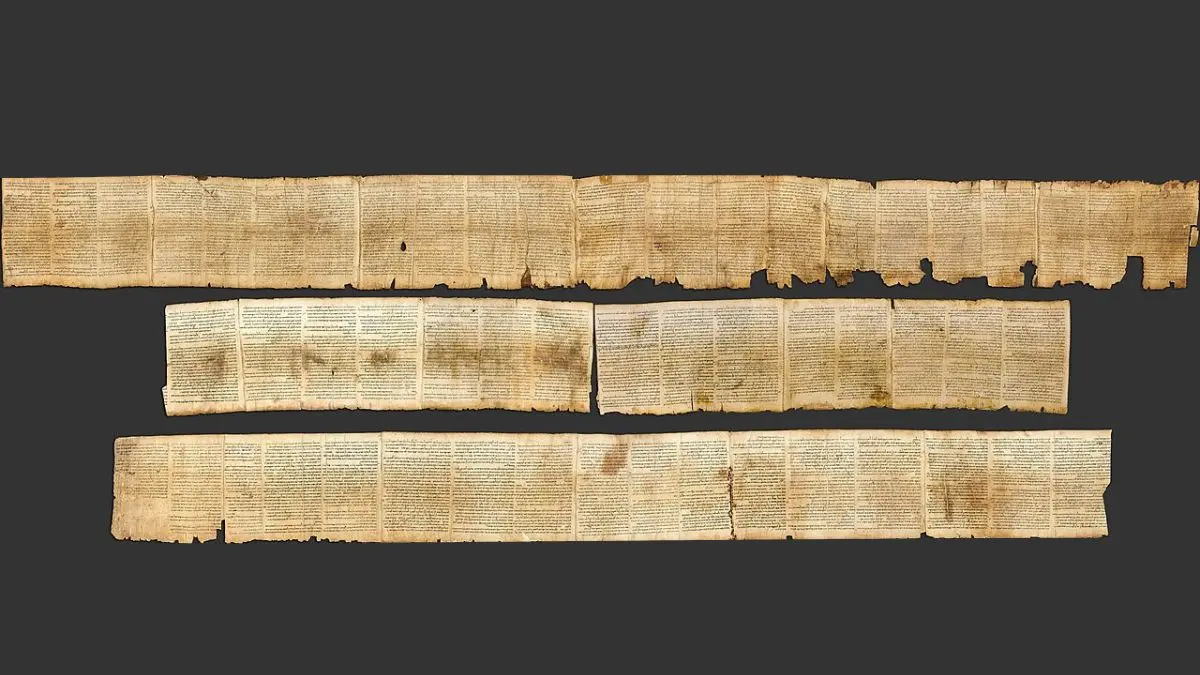 The biblical scroll of Isaiah was originally composed of two segments, according to studies. (Photo: Wikimedia Commons)
Cross-referencing this evidence has led scholars to propose that the two halves were produced separately before being joined together.
Why is understanding manuscript division relevant?
At first glance, it may seem like just a technicality. However, for the study of manuscripts, this information is significant. It indicates that the process of producing sacred texts involved different stages and possibly more than one scribe.
For biblical archaeology, this reinforces the idea that sacred writing was transmitted carefully, but within a lively dynamic of copying, revision and organization.
The fact that the parchment was divided and then reunited shows that the preservation of Scripture was not a static process. There were physical interventions, reorganizations and adaptations over time.
Still, when compared to the medieval Masoretic text – the basis of many modern translations – the content of the Great Scroll of Isaiah shows a high degree of correspondence.
What is the impact for biblical studies?
The discovery does not change the content of the biblical text, but expands the understanding of its material history. For biblical scholars and archaeologists, the finding reinforces the importance of examining not only the text, but also the physical support – the parchment, the ink, the stitching and the shape of the scrolls.
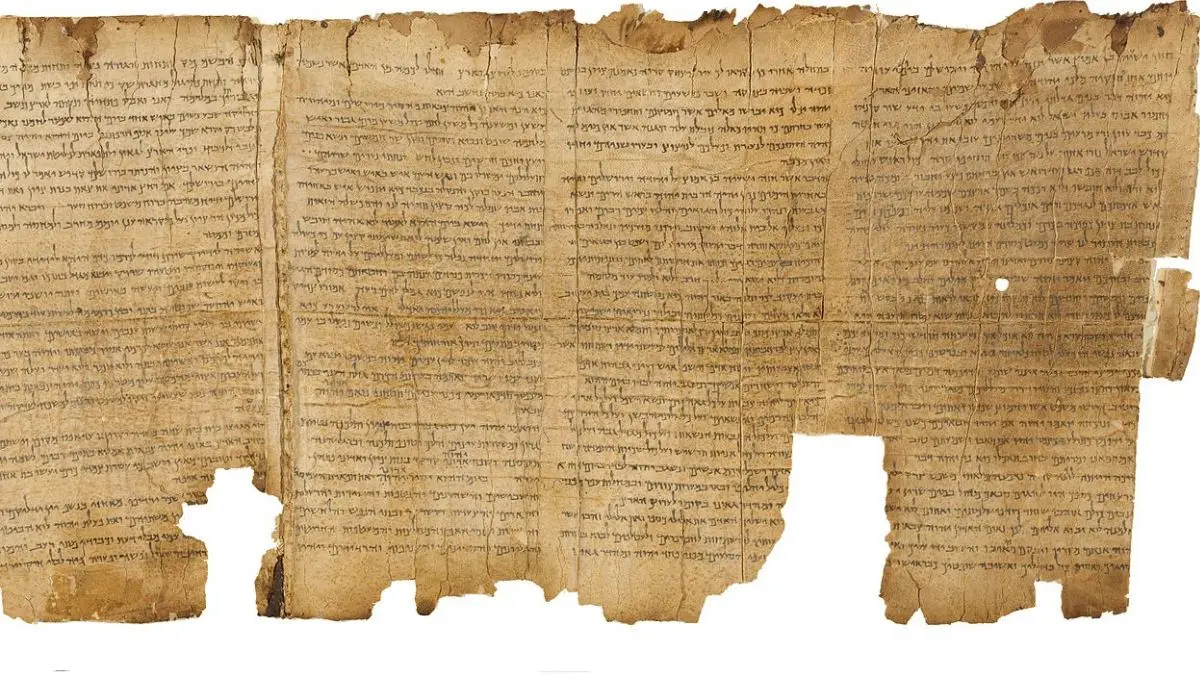 According to research, the process of producing sacred texts involved different stages and possibly more than one scribe. (Photo: Wikimedia Commons)
Furthermore, it may influence subsequent studies on other ancient biblical manuscripts, encouraging technical revisions to already analyzed scrolls. For those interested in Bible history, biblical archeology and ancient manuscripts, the discovery expands the understanding of how sacred texts were preserved over time.
More than a curiosity, it is a new chapter in the investigation into the origin and transmission of the Scriptures that shaped Western culture.
