
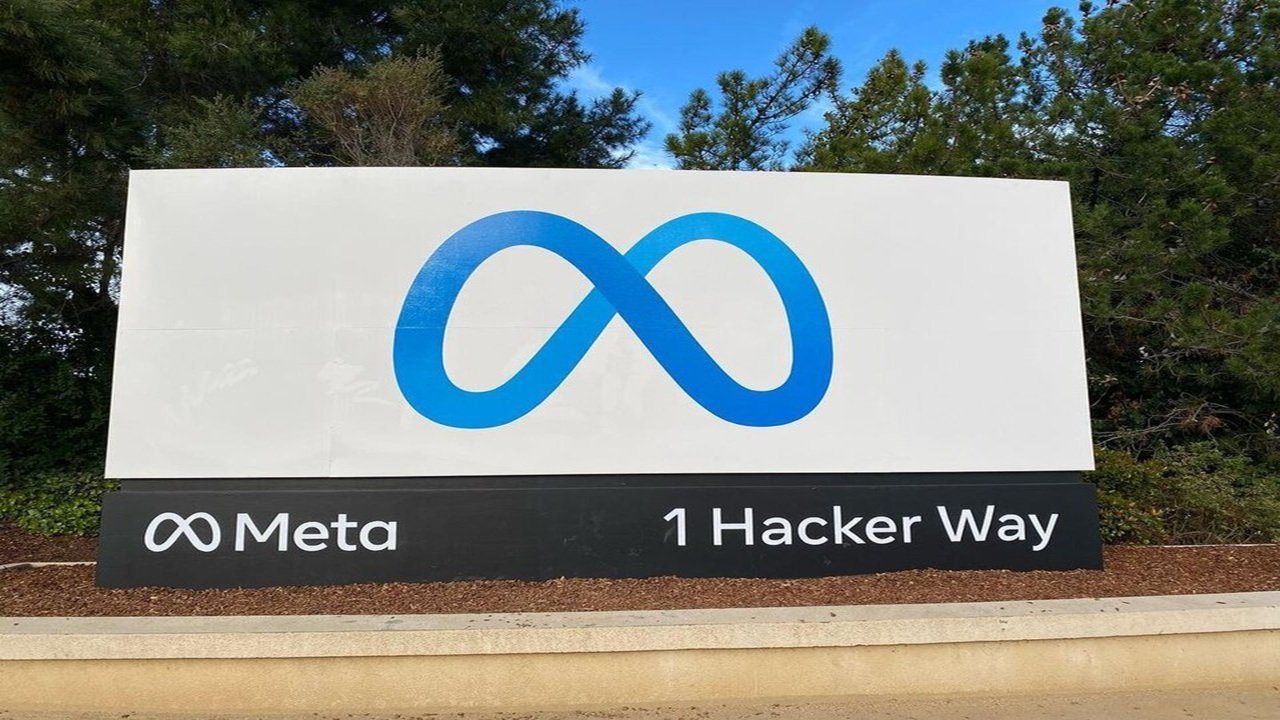
Meta, the company that controls Facebook, Instagram and WhatsApp and is run by billionaire Mark Zuckerberg, was convicted this Tuesday (24) by a jury in the state of New Mexico, in the United States, in a trial that analyzed accusations that the company deceived users about the security of its social networks and did not adequately protect minors against risks such as online sexual exploitation. The decision ordered the company to pay around US$375 million (R$1.9 billion, at the most recent quote) for violating a state consumer protection law.
According to the verdict, jurors concluded that Meta made “false or misleading statements” about the security of its social networks and did not take “sufficient measures” to prevent minors from being exposed to dangerous content or approaches from online sexual predators. The lawsuit against the company was filed by New Mexico Attorney General Raúl Torrez, who accused Meta of putting “profit above the protection of children and adolescents.”
According to the indictment, investigations conducted by state authorities showed that accounts created by agents posing as minors received messages with sexual content and inappropriate requests on Meta’s platforms. Prosecutors stated at the trial that the company “was aware of risks related to child exploitation” and the excessive use of networks by young people, but had not adequately informed the public or adopted sufficient measures to reduce the damage.
The jury found that there were thousands of violations of New Mexico state law known as Unfair Practices Actwhich prohibits deceptive commercial practices. Each infraction was considered separately, which led to a total fine of US$375 million. According to the New Mexico Department of Justice, this is the first case in which an American state has won a trial against a large technology company on charges related to harm caused to minors.
During the process, witnesses included company engineers, digital security experts, teachers and former employees who reported problems linked to the use of the platforms by children. Internal company documents were also presented which, according to prosecutors, would indicate that Meta was aware of the risks associated with the functioning of its algorithms and the way in which content is recommended to users.
In a statement released after the verdict, Meta stated that it disagrees with the decision and intends to appeal. The company stated that it invests in security systems and works to remove illegal content, but acknowledged that not all harmful material can be blocked.
