
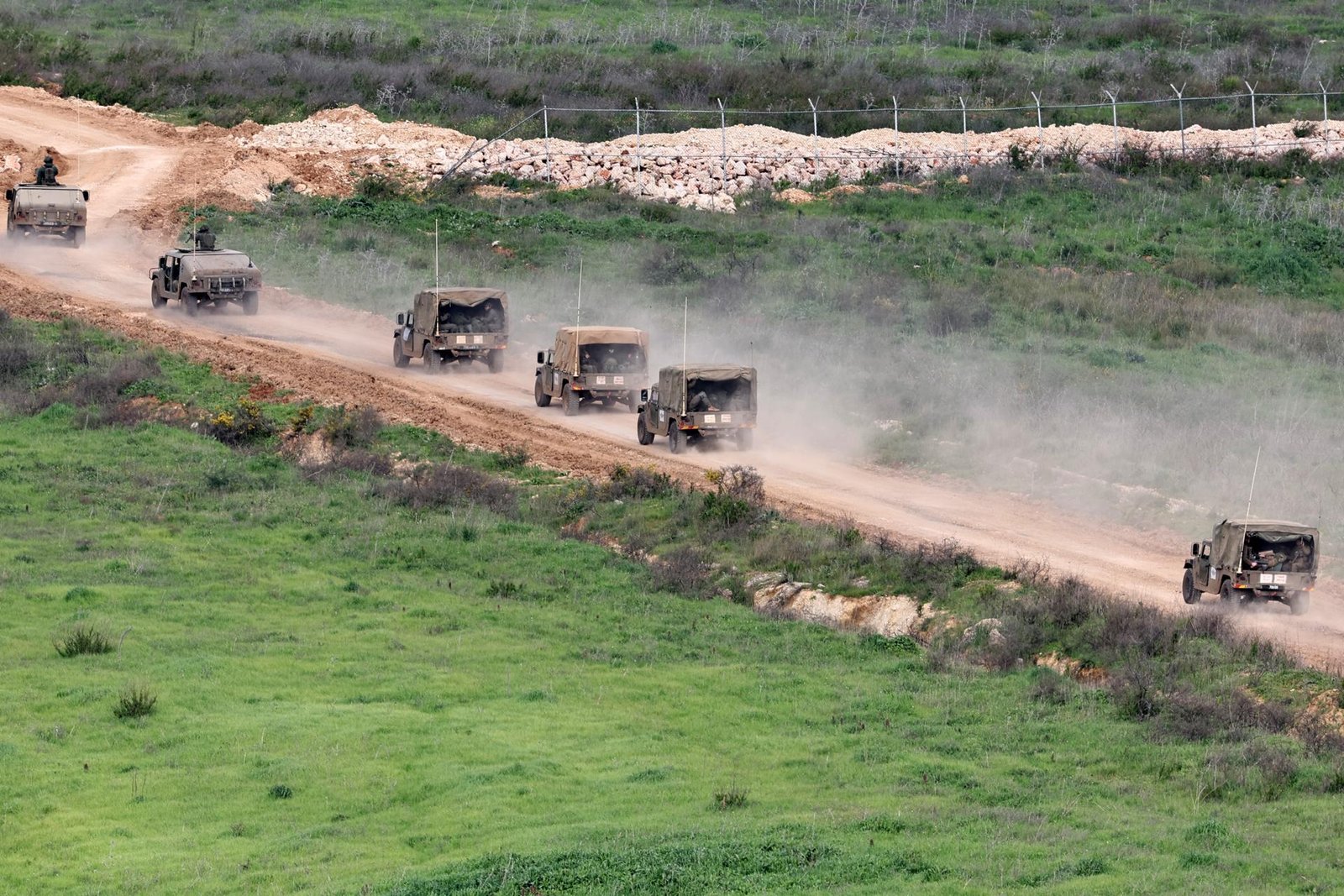
While attacking Iran by air in a joint operation with the United States, Israel has once again expanded its offensive against the territory of Lebanon to contain new attacks by Hezbollah, a Lebanese terrorist group supported by the Iranian regime and which controls regions of the country.
Israeli Defense Minister Israel Katz said this week that the Israel Defense Forces (IDF) intend to occupy areas from southern Lebanon to the Litani River to create a “security zone” along the border.
Since Israel and the United States began the military operation against Iran on February 28, Hezbollah began to intensify rocket and missile attacks against northern Israel, opening a second front in the regional conflict. The Lebanese group’s actions were presented by Israeli authorities as an attempt to relieve pressure on Tehran, as Hezbollah is considered the Iranian regime’s main military ally outside the country.
According to Katz, Israeli troops must take control of bridges and strategic positions up to the Litani, a river located about 30 kilometers north of the border between Lebanon and Israel. The statement was made during a meeting with the Chief of Staff and represents the clearest indication yet that the Israeli government is considering maintaining a military presence in Lebanese territory.
Israeli officials have maintained that the creation of a security zone in the region is necessary to keep Hezbollah’s missiles out of reach of northern Israeli cities. In recent actions against Hezbollah, the Israeli Army bombed the terrorist group’s structures in southern Lebanon and destroyed bridges over the Litani River.
According to an analysis published by the newspaper The Jerusalem Postmilitary sources claim that the Israeli Army initially intended to carry out only limited incursions to pressure Hezbollah, but the continuation of rocket attacks by the terrorist group led to a gradual change in strategy, including the idea of keeping troops in Lebanese territory for longer than anticipated.
Hezbollah has already reacted by stating that it will treat any occupation of the region as a direct threat to Lebanon’s sovereignty and that it must confront Israeli forces.
Israel already occupied part of southern Lebanon between 1982 and 2000, in a period marked by constant clashes and significant losses. Defense Force officials fear that a prolonged occupation will once again expose soldiers to ambushes and increase international diplomatic pressure against the country.
Data released by the Lebanese Ministry of Health indicate that more than a thousand people have died since the start of the new phase of fighting and that more than a million have been displaced in the country. Israel, in turn, claims that civilians and military personnel were also hit by rockets fired from Lebanese territory.
