
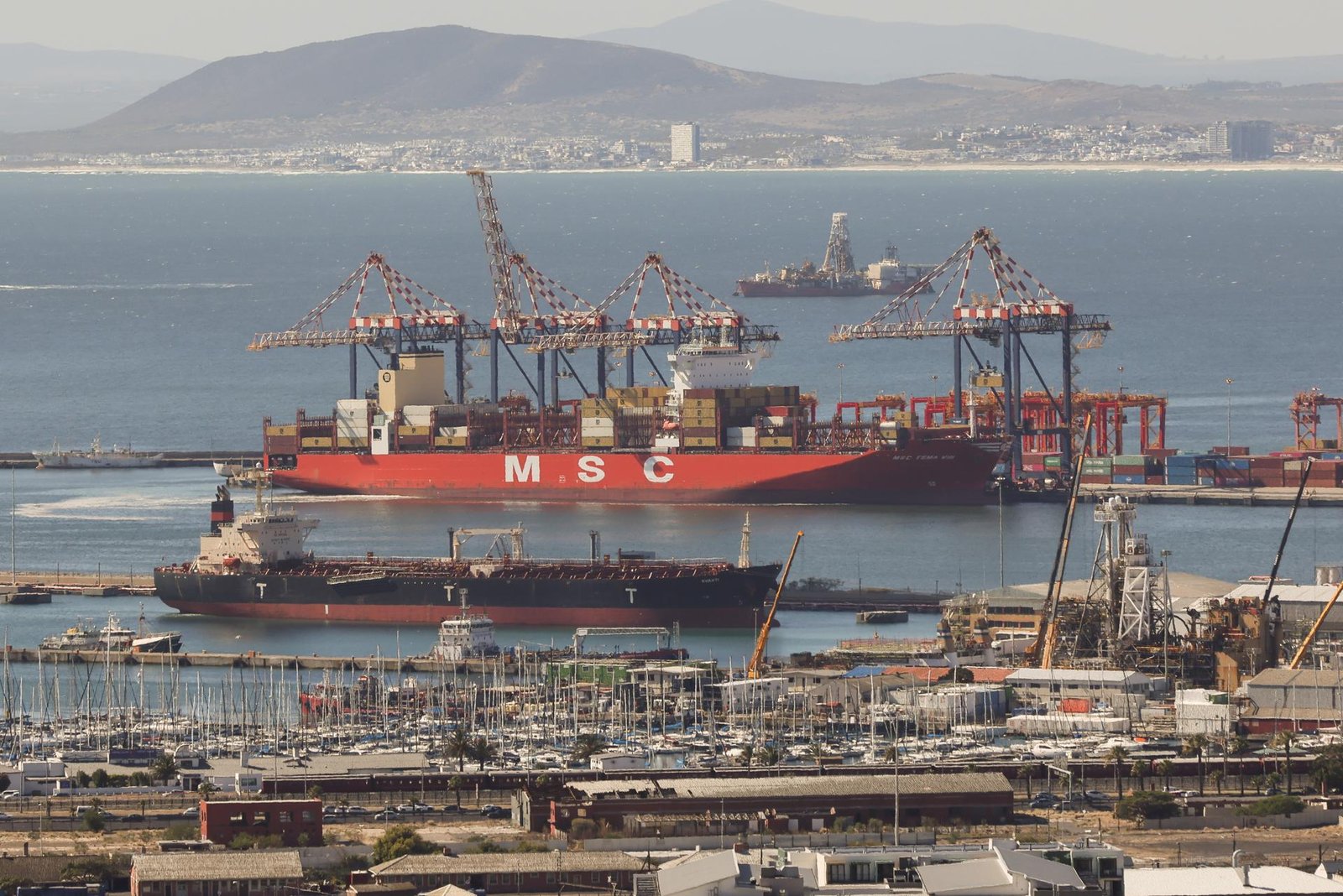
The Iranian Armed Forces threatened this Sunday (22) to “completely” close the Strait of Hormuz if the United States attacks the country’s power plants. The statement was made by Ebrahim Zolfagari Central Headquarters spokesman Khatam al-Anbiya, which coordinates Iranian military forces.
According to him, the strait would only be reopened after the total reconstruction of the destroyed facilities. The threat is a direct response to the American president’s ultimatum, Donald Trumpwhich gave Iran 48 hours to open the sea route, under penalty of attacks on its power plants.
Zolfagari listed a series of “punitive measures” that would be adopted in the event of an American attack. These include attacks on energy and information technology infrastructure in Israel, as well as actions against companies with American participation in the region and power plants in countries that host US military bases.
“Everything is in place for a great jihad with the aim of completely destroying all US economic interests in the region”
Ebrahim Zolfagari, spokesman for the leading headquarters of the military forces in Iran
He also stated that Iran did not initiate the conflict and will not attack energy infrastructure on its own initiative, but that it will respond “without limits” if its facilities are hit.
The President of the Iranian Parliament, Mohammad Bagher Ghalibafreinforced the belligerent tone by warning that the country will attack vital energy and oil infrastructure across the region if American threats materialize.
The Iranian representative at the International Maritime Organization, Seyed Ali Mousavi, stated that the strait remains open to international navigation, with the exception of those considered enemies by Tehran, under security conditions established by Iran itself.
SEE ALSO:
-
Who wins and who loses in Brazil with the war in Iran
Tension causes oil to reach highest price in almost three years
The escalation of tensions has turned the Strait of Hormuz into the epicenter of a crisis with a direct impact on global energy markets. The road is one of the main oil transport routes in the world, and the threat of its closure was enough to make prices soar.
The barrel of crude oil for delivery in May, known as Brent Futures, reached US$ 112,91the highest level since July 2022.
SEE ALSO:
-
Between subsidies and reserves: how countries are reacting to the spike in oil prices
-
US says it has weakened Iranian threat over oil shipping
