
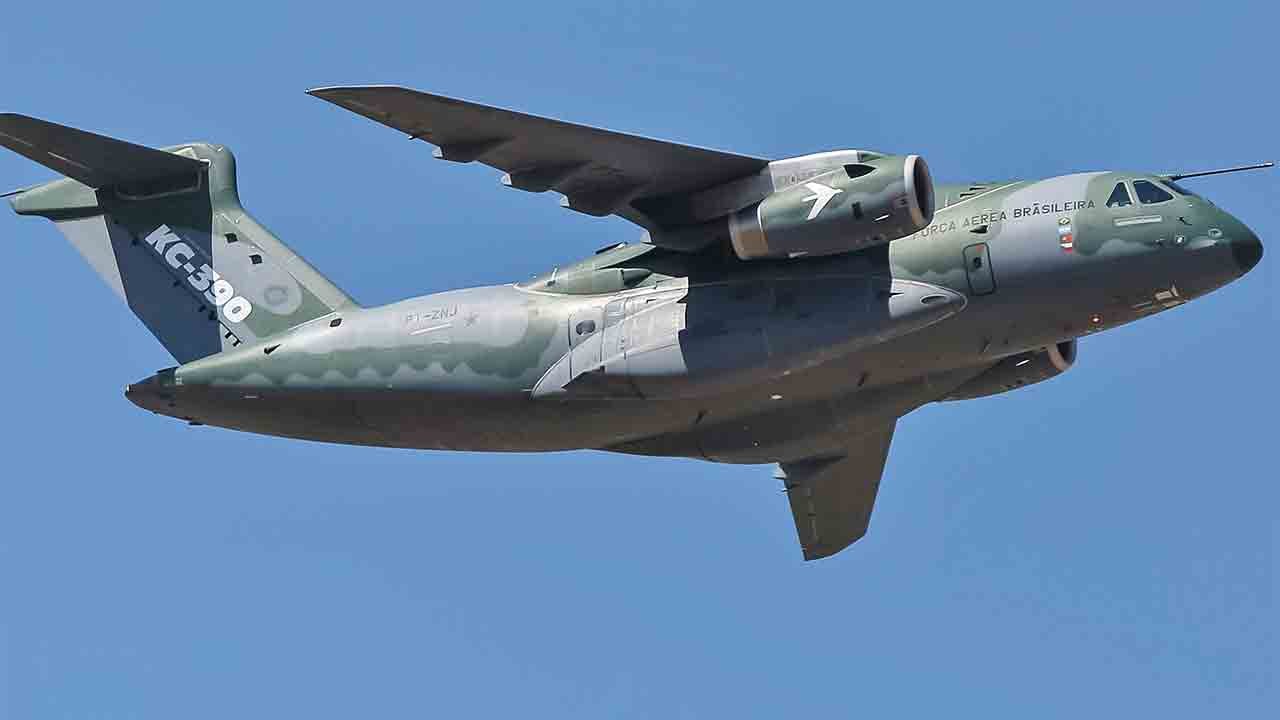
European agency states that non-airworthy components of CFM56, V2500 (used in the Embraer KC-390), PW1100 and RB211 engines were diverted before being destroyed and may reappear on the market.
The European Union Aviation Safety Agency (EASA) has issued a warning following the diversion of a shipment of turbofan engine parts formally declared unairworthy in Spain. According to the agency, the batch was redirected at the end of January 2026 by a third party who pretended to be the company hired to mutilate the components, a process used to permanently render out-of-service parts unusable.
According to EASA, the shipment consisted of 12 containers of engine parts, three of which contained critical or life-limited components. The agency highlighted that these parts had not yet been mutilated, which increases concern about the possibility of them reappearing on the open replacement market.
The alert involves parts associated with four widely used families of aircraft engines: CFM56, IAE V2500, Pratt & Whitney PW1100 e Rolls-Royce RB211.
In coverage of the case, sector vehicles state that the deviation covers more than 600 parts, and one of these publications points to 625 components listed in the notice.

In the official notification, EASA recommends that owners, operators and maintenance organizations inspect aircraft, inventories and records using the part numbers and serial numbers disclosed in the list attached to the case. If any of these items are found, the guidance is to remove, quarantine and inform the competent authority to avoid any installation on aircraft.
The case reignites the sector’s concern about the traceability of aeronautical components and the risk of unapproved parts returning to the supply chain.
Aviation Week noted that the episode comes shortly after the AOG Technics scandal, which exposed weaknesses in document control and the origin of engine parts in the aftermarket.
Source and images: EASA. This content was created with the help of AI and reviewed by the editorial team
