
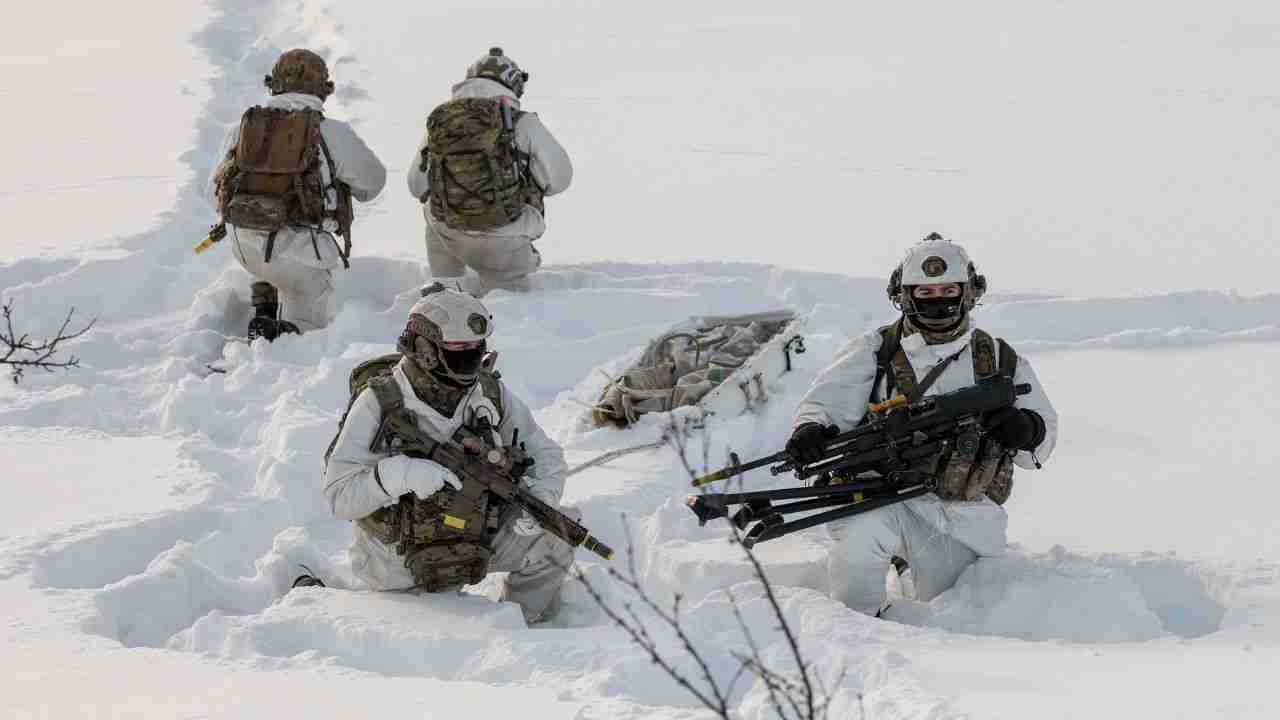
Denmark even prepared an extreme plan to defend Greenland in the face of the possibility of military action from the United States.
Among the measures considered was the destruction of strategic airstrips, such as those in Nuuk and Kangerlussuaq, with the aim of preventing the landing of American troops. The mobilization included the sending of explosives and even blood reserves to treat possible victims in the event of conflict.
The tension originated from pressure from Washington to take control of the Arctic island, which intensified after the election of Donald Trump. Still in 2025, the Danish government began discreet collaborations with European allies, such as France and Germany, in search of political and military support to contain a possible escalation.
The scenario quickly worsened in early January 2026, especially after the US offensive in Venezuela, which raised alert among European countries. In response, multinational forces were urgently sent to Greenland, bringing together military personnel from Denmark and other allied nations. The strategy was clear: increase the cost of any invasion attempt and create a strong deterrent effect.
+Russia receives new batch of Pantsir-S and reinforces air defense in the war
Despite the preparations, the crisis began to cool down at the end of January, when Trump retreated from the military discourse and stated that he would seek access to Greenland through agreements within NATO. Still, the episode exposed one of the greatest recent tensions between Western allies and raised concerns about the stability of the transatlantic alliance.
Font: Militarnyi | Photo: @JFCNorfolk | This content was created with the help of AI and reviewed by the editorial team
