
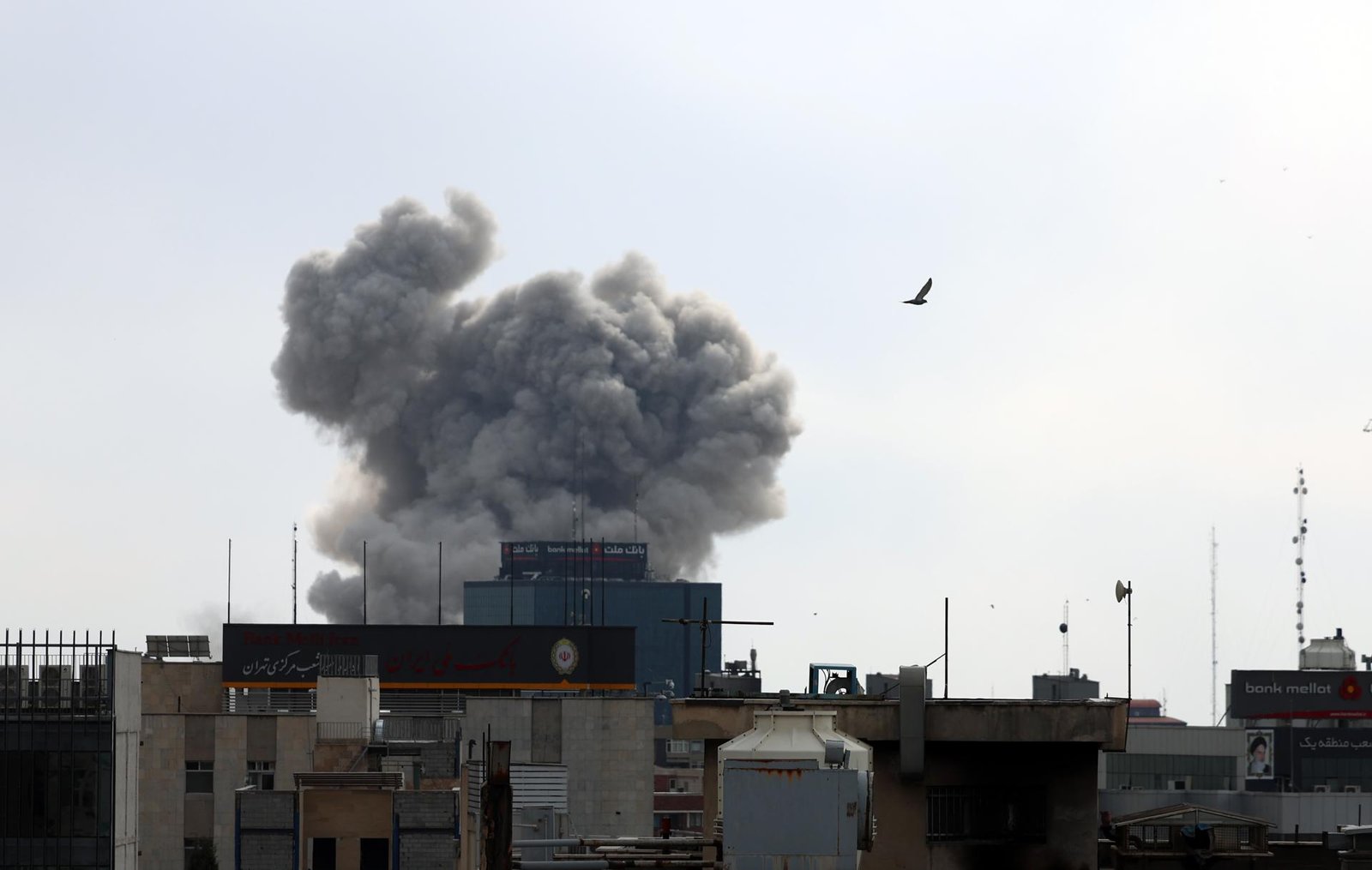
Tension in the Middle East reached a critical level this Monday (2) after coordinated attacks by the US and Israel resulted in the death of Iran’s supreme leader, Ali Khamenei. The operation, motivated by the Iranian nuclear program, generated immediate retaliation in several countries in the region.
How was the operation that killed Iran’s supreme leader planned?
The action, dubbed by the Pentagon as “Epic Fury”, was made possible thanks to strategic information from the CIA. American intelligence had been monitoring Ali Khamenei’s routine for months and discovered that the regime’s top brass would hold a meeting in the heart of Tehran in broad daylight last Saturday. The military adjusted the timing of the bombings to ensure the main targets were in the known location, exposing serious flaws in Iranian security.
What was the main reason for the US to start the attacks now?
Donald Trump’s government justifies the offensive by the lack of progress in diplomatic negotiations. The US and Israel allege that Iran is secretly enriching uranium to make nuclear weapons, which would pose an existential threat. Furthermore, the regime’s sponsorship of regional terrorist groups was a decisive point in the definitive military escalation, seeking to paralyze Tehran’s military and nuclear infrastructure.
How did Iran respond to the bombings on its territory?
The regime promised a “historical lesson” and launched missiles and drones against American military and diplomatic bases in more than ten countries, including Kuwait, Qatar and the United Arab Emirates. To date, ten deaths have been confirmed on Israeli soil. Furthermore, Hezbollah, an Iranian-allied group in Lebanon, opened a new front by firing at northern Israel, which generated intense retaliation against Beirut.
What are the immediate consequences for the Iranian government?
The death of Khamenei and other officials creates a power vacuum and the real possibility of the fall of the current regime. Strategically, Iran made the mistake of attacking Arab neighbors that were not involved in the initial conflict, such as Saudi Arabia and Qatar. This move further isolates the country, as these nations are increasingly aligned with the West and are now strengthening their territorial defenses for future retaliations against Tehran.
Is there still a chance for diplomatic negotiations between nations?
The scenario is one of uncertainty. While Donald Trump declared his willingness to talk to a new Iranian leadership after the conflict, Iran’s Supreme National Security Council appears to have closed its doors. Ali Larijani, the regime’s right-hand man, stated that there will be no negotiations, accusing Trump of plunging the region into chaos. Experts indicate that fighting could last four to five weeks until American military objectives are completed.
Content produced based on information gathered by the Gazeta do Povo team of reporters. To access the full information and delve deeper into the topic, read the report below.
SEE ALSO:
- USA X Iran: 7 points to understand new wave of attacks
