
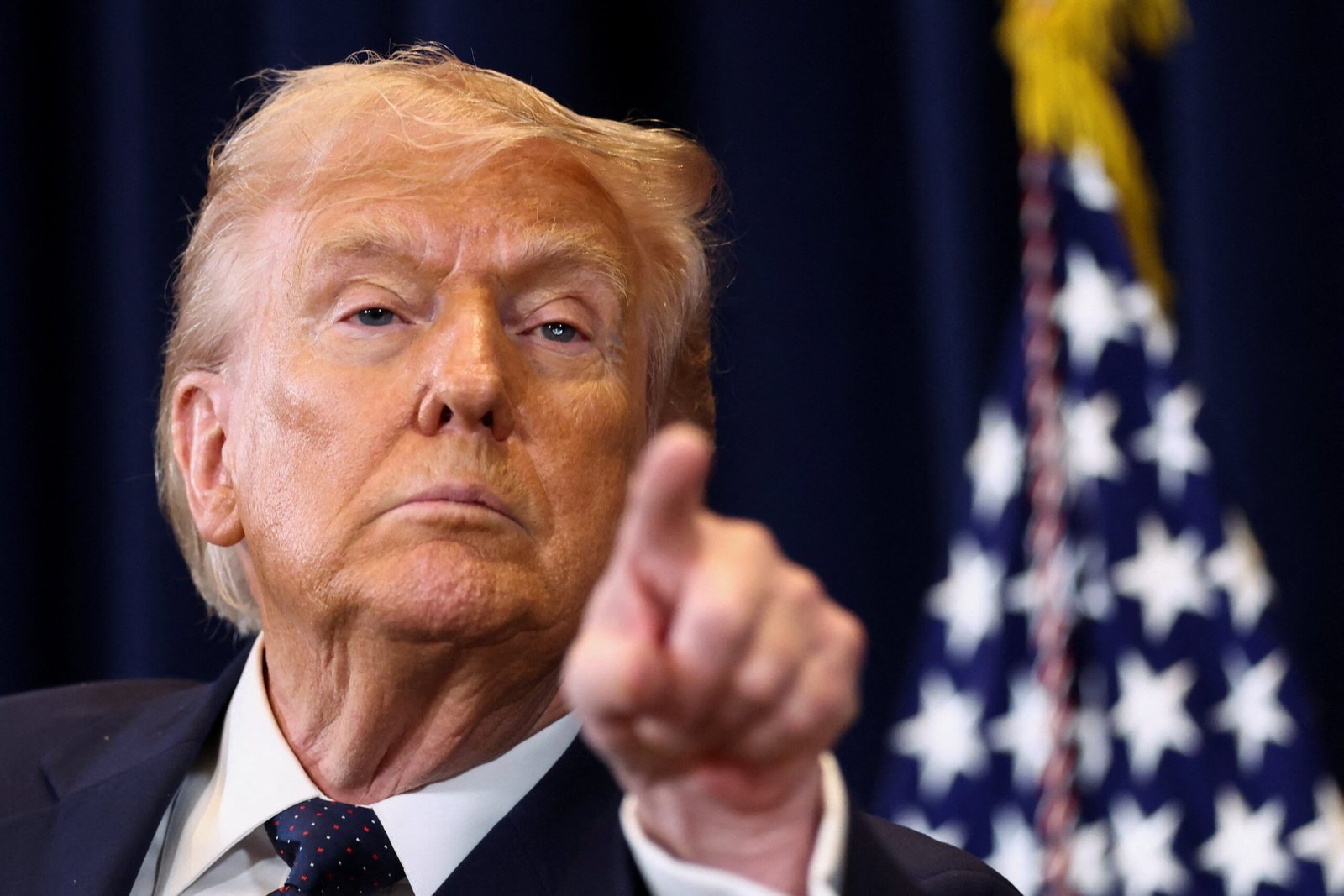
Strait of Hormuz has become the focus of attention in the war in Iran United States President Donald Trump said this Monday (9) that he will attack Iran “twenty times harder” if the country blocks the flow of oil in the Strait of Hormuz. The statement was published on a social network. ✅ Follow the g1 international news channel on WhatsApp The statement comes amid market pressure and the rise in the price of a barrel of oil, which approached US$120 and dropped stock markets around the world amid the war. Prices could directly impact the American economy and influence the November elections in the US. Iran says the Strait of Hormuz is closed and threatens to attack ships passing through the region. The US denies that the route is blocked. Even so, the flow of vessels has decreased in recent days. In Truth Social, Trump stated that Iran could receive “death, fire and fury” if it interferes with the passage of ships through the Strait of Hormuz. The route is responsible for the flow of around 20% of world oil production and passes through a strategic area under Iranian influence. “If Iran does anything to interrupt the flow of oil in the Strait of Hormuz, it will be hit by the United States of America TWENTY TIMES HARDER than it has been hit so far,” he published. “Furthermore, we will eliminate easily destroyable targets, which will make it virtually impossible for Iran to rebuild itself as a nation again — Death, Fire, and Fury will fall upon them — But I hope, and pray, that this will not happen!” According to the president, the announcement is a “gift” for China and all countries dependent on the maritime route. Earlier, in an interview with CBS News, Trump said he was considering taking control of the Strait of Hormuz. He also threatened to destroy Iran if it interfered. “If you do anything wrong, it will be the end of Iran and you will never hear that name again,” he said. In the same interview, Trump said the war against Iran must end soon as it is “pretty much over.” After the declarations about the possible end of the conflict, the price of oil began to fall. US President Donald Trump answers a question during a press conference at Trump National Doral Miami REUTERS/Kevin Lamarque The Strait of Hormuz Located between Oman and Iran, the passage is responsible for transporting around 20% of all oil traded in the world and serves as a route for ships leaving the producing region heading to Asia, Europe and the Americas. The history of the Strait of Hormuz is marked by its importance as a commercial corridor and, more recently, as a strategic point for global energy. Since ancient times, the passage connected Persia, Mesopotamia and India to the Indian Ocean. In the 16th and 17th centuries, European powers fought for control of the region to protect its maritime routes. In the 20th century, the discovery of large oil reserves in the Persian Gulf increased the relevance of the strait. After the Second World War, it established itself as an essential route for transporting oil from the Middle East to other continents. During the war between Iran and Iraq (1980-1988), oil tankers were attacked, and the US began escorting vessels in the region. Since then, the strait has been one of the main sources of geopolitical tension. Iran has threatened to close it in response to sanctions and conflicts with the US and Israel, although it has never halted navigation for long periods. Currently, a significant portion of the oil consumed in the world passes through Hormuz, in addition to a large part of the gas exported by Qatar, which means that any conflict in the region will impact energy prices and global markets. Infographic – Strait of Hormuz Arte/g1
Source link
‘Death, fire and fury’: Trump threatens Iran with ’20 times stronger’ attack if oil blocked in Strait of Hormuz
12
