
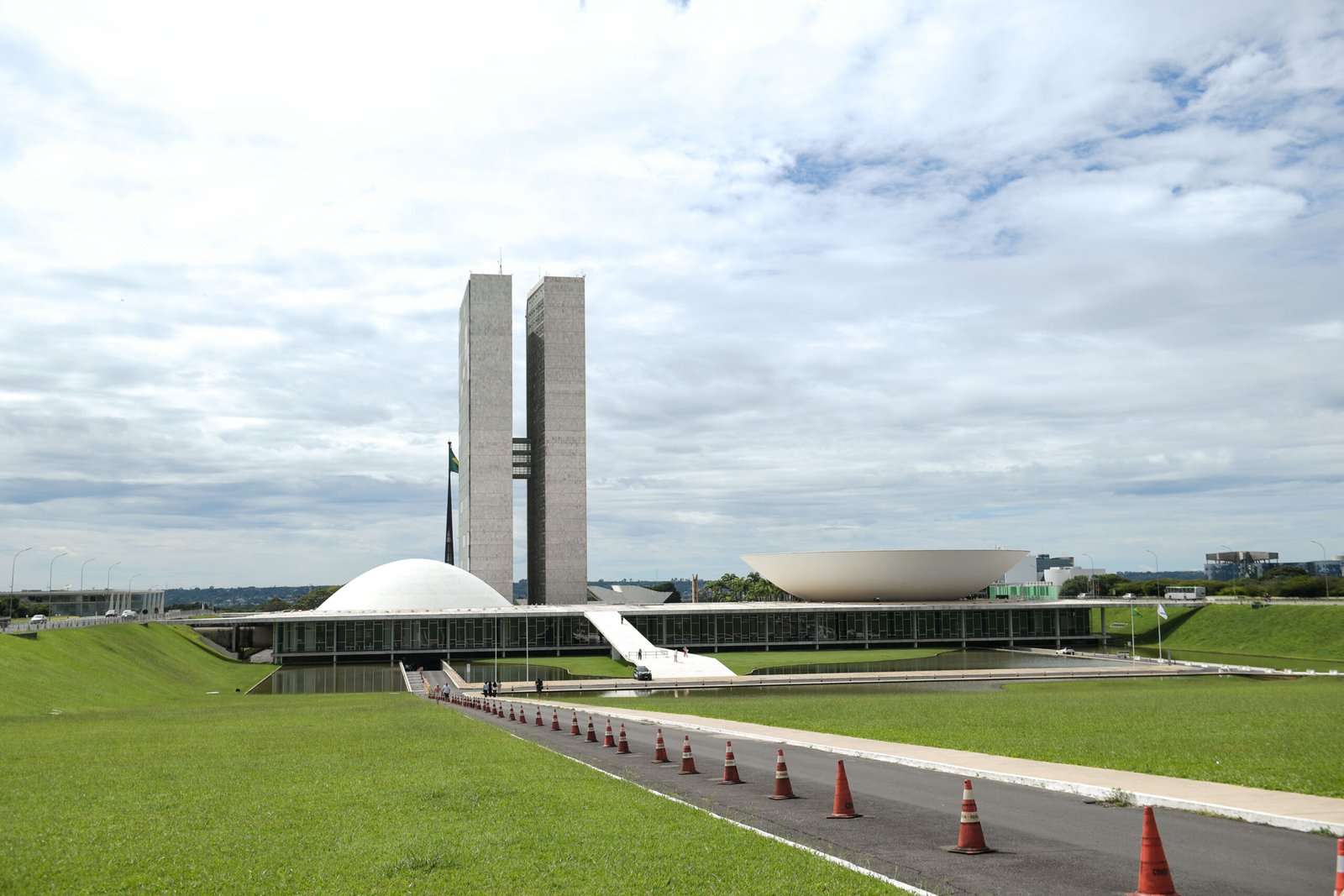
The National Congress promulgated, this Tuesday (17), the provisional free trade agreement between Mercosur and the European Union. Signed two months ago and the result of more than 25 years of negotiations, the agreement was approved by the Brazilian Senate on March 4, under the report of Senator Tereza Cristina (PP-MS), former Minister of Agriculture during the government of former President Jair Bolsonaro (PL).
On the same day, President Lula (PT) signed a decree regulating the so-called “bilateral safeguards”, mechanisms that aim to protect national trade in the event of an imbalance in the trade balance that could put Brazilian industry at risk. In practice, this protection means a suspension of topics in the agreement until conditions return to balance.
Once it comes into force, the agreement will provide for the gradual reduction of tariffs for products that transit between the two blocs, expected to reach 90% of imports and exports. In the public sector, European companies will be able to participate in tenders on equal terms. There is also a fondness for environmentalism, since the text foresees the fulfillment of environmental goals as a condition for trade.
SEE ALSO:
- Senate approves provisional agreement between Mercosur and the European Union
- Mercosur and European Union Agreement: more market and new requirements for Brazilian agriculture
Alckmin expects it to come into effect in May
The vice-president and minister of Development, Industry, Commerce and Services, Geraldo Alckmin (PSB), revealed that the federal government expects it to come into force in May. The assessment took place during the announcement of partnerships between the Executive and the Inter-American Development Bank (IDB).
“We expect the agreement to come into effect in May, opening up opportunities for investment, employment and cost reduction, improved competitiveness and many opportunities,” declared Alckmin.
To come into force, the text needs the approval of all countries in both blocs. In addition to Brazil, Uruguay, Paraguay and Argentina have already ratified the text. In the European Union, the parliaments of the 27 member states. No European country has moved forward in this direction, but in the Council of the European Union there were 21 votes in favor of the partnership.
