
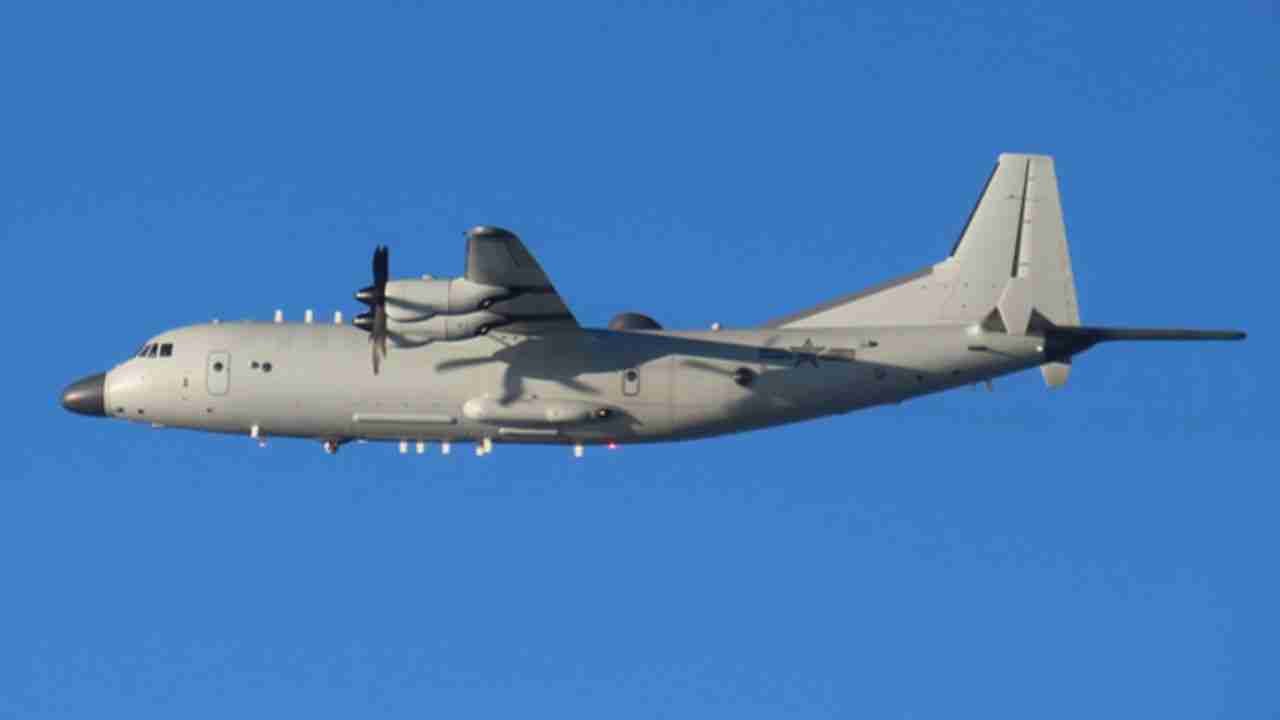
The unprecedented intercept of the Y-9FQ marks a new chapter in growing military activity in the East China Sea. Chinese anti-submarine warfare aircraft, first publicly unveiled in 2025, were detected and tracked by Japanese fighter jets in March 2026.
The episode drew attention mainly due to the unusual design of the aircraft’s nose, indicating that it was a more advanced variant that was still little known.
The incident occurs amid a series of intense military movements in the region, involving both China and Russia. In the previous days, Russian aircraft and even intelligence ships were monitored by Japanese forces. Among the most sensitive cases is the flight of MiG-31 fighters equipped with hypersonic missiles, raising the alert level in Japan.
Experts point out that the Y-9FQ represents a significant advance in Chinese surveillance and anti-submarine warfare capabilities. Equipped with AESA radar, electro-optical sensors and electronic intelligence systems, the model expands the range and efficiency of maritime operations. Furthermore, its possible operation close to the Japanese economic zone raises suspicions of submarine monitoring.
+Israel uses F-16 with cluster munitions to counter Iranian missiles
This scenario reflects a broader trend of military buildup and geopolitical tensions in Asia. With a diverse fleet of special mission aircraft, China seeks to ensure constant surveillance and informational superiority. At the same time, the increase in joint interceptions and patrols with Russia highlights an increasingly sensitive strategic environment, further aggravated by political disputes, such as the Taiwan issue.
Source: The Aviationist | Photo: X @RupprechtDeino | This content was created with the help of AI and reviewed by the editorial team
As it seems, for the first time the JASDF met one of the new Y-9FQ (High New 15) next generation ASW aircraft and they seem to be a bit surprised! pic.twitter.com/5jpfBsoFuD
— @Rupprecht_A (@RupprechtDeino) March 30, 2026
