
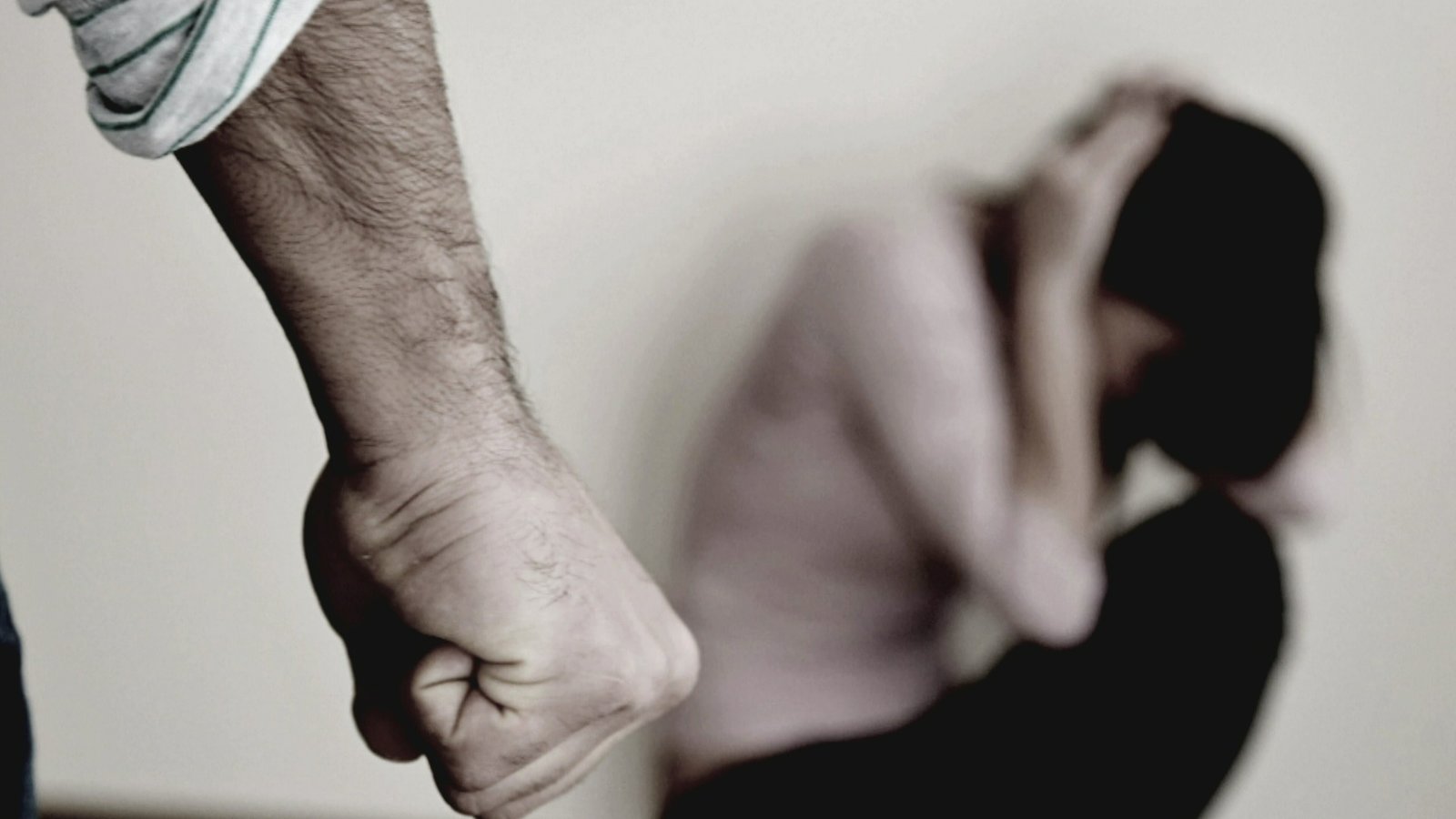
Brazil recorded 22,800 cases of rape between 2022 and 2025, according to data released by the Data from the Notifiable Diseases Information System (Sinan). Still according to the data, 8,400 of the attacks had adult women as victims, while 14,400 were recorded against girls and teenagers. The information was passed on by the Ministry of Health to DW.
The number raises an alert amid recent episodes of national repercussion, such as the case of gang rape against a 17-year-old girl in Copacabana, Rio de Janeiro. Sexual violence usually occurs in situations where at least one of the aggressors has some type of relationship or knows the victim, as in the case in Copacabana. This proximity often makes reporting and producing evidence difficult. Furthermore, the fear of exposure and social judgment still leads many victims to give up contacting the police. Epidemiological data from the Ministry of Health show that one in three women in the world has been beaten or sexually assaulted;
Another element that favors silence is the trivialization of sexual violence in certain environments. When crimes are committed by several people, a collective encouragement effect can arise, which ends up diluting the feeling of individual responsibility among the aggressors.
