
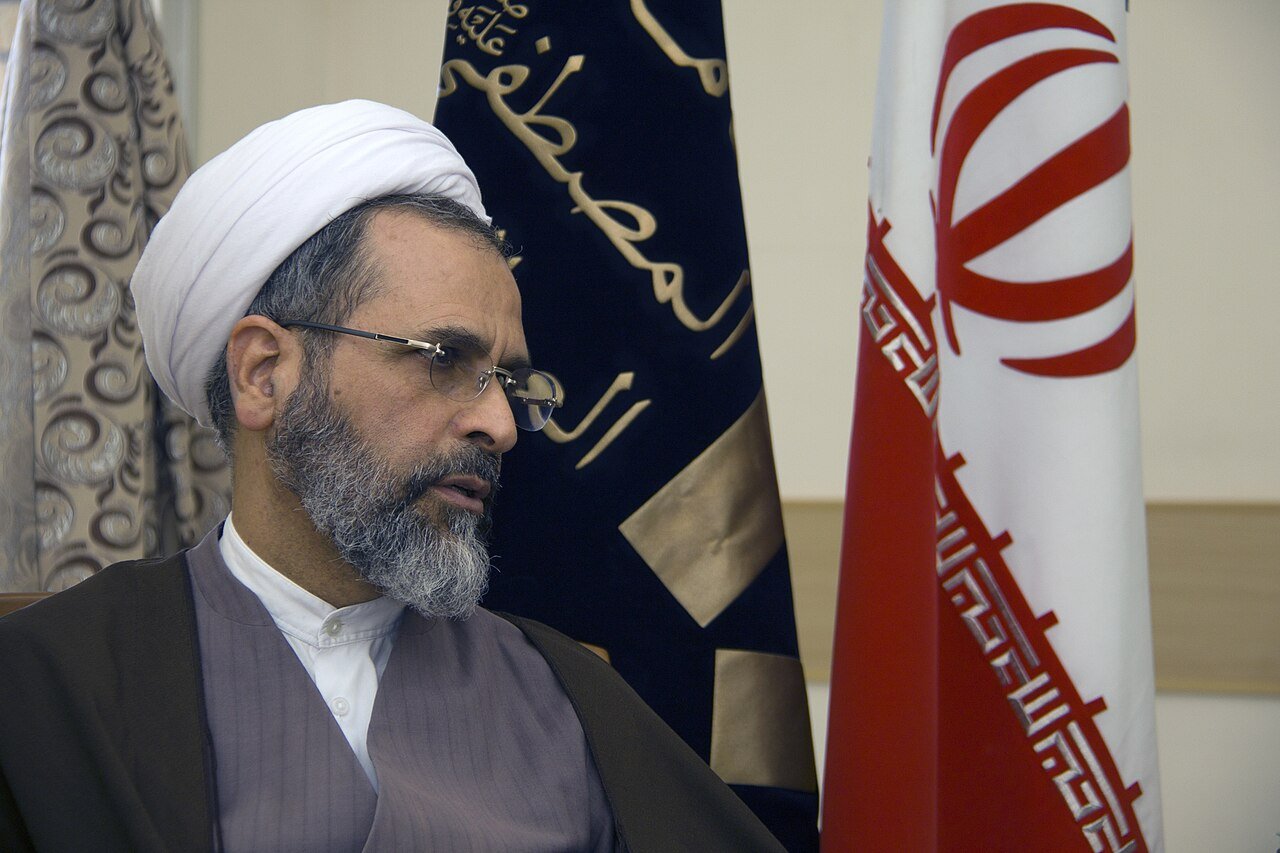
Alireza Arafi took office this Sunday (1st) as a legal member of Iran’s Leadership Council. The decision was announced by the State System Convenience Discernment Council. The body also appointed Ayatollah Arafi as head of the interim council.
The council brings together the President of the Republic, Masoud Pezeshkian, and the head of the Judiciary, Gholamhossein Mohseni Ejei. The group will lead the country until the Assembly of Experts “elects a permanent leader as quickly as possible”, said spokesman Mohsen Dehnavi in a publication on the X network.
Arafi is 67 years old and keeps a low profile. He served as vice-president of the Assembly of Experts and was also a member of the Council of Guardians, the body responsible for evaluating candidates for elected positions and laws approved by Parliament.
Iranian state media confirmed this Saturday (28) the death of supreme leader Ali Khamenei. Coordinated attacks by the United States and Israel hit targets in Tehran and other Iranian cities during the offensive.
What is the role of the supreme leader and the president of the Islamic Republic
After the overthrow of Shah Reza Palévi’s monarchy in 1979, Iran established a theocratic regime. Religious leaders began to exercise political power based on Islamic dogmas.
The highest position in the country became that of supreme leader. The function concentrates political and religious power. Only two ayatollahs have held the post: Khomeini until 1989 and then Ali Khamenei.
The supreme leader sets foreign policy, oversees Parliament and appoints the commander of the Revolutionary Guard. He also appoints the main representatives of the Judiciary.
The president is responsible for economic policies and internal issues. He comes to office through direct elections, but depends on prior approval from the supreme leader to run.
