
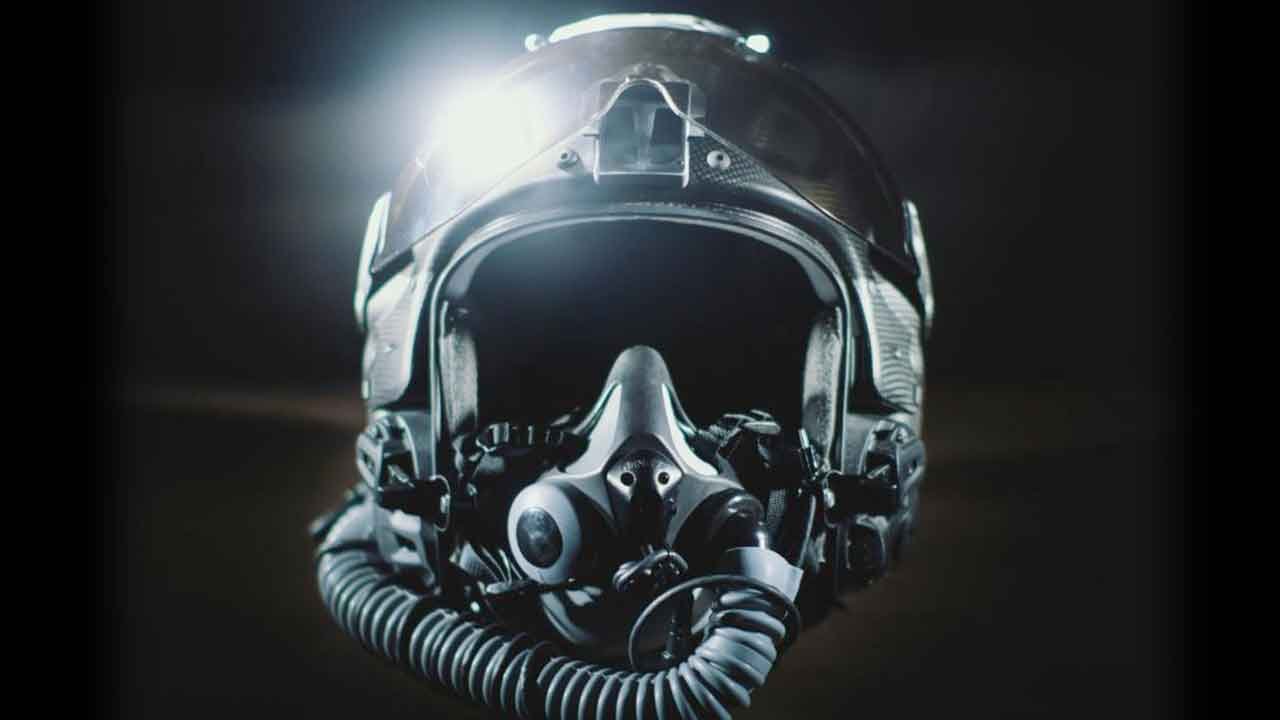
The US Navy has taken another step towards modernizing its flight equipment, signing a $22.6 million contract with Gentex Corporation. The order includes the delivery of more than 5,000 next-generation helmets for the fleet’s fixed-wing aircraft.
The new one Next-Generation Fixed Wing Helmet was developed to replace the HGU-55/P and HGU-68P models that have been in use for decades. The concept is clear and contemporary: lower weight, better balance and greater comfort for increasingly longer and more demanding applications – an approach that corresponds directly to today’s understanding of ergonomics, as is also known from the automotive world, especially in high-performance vehicles.
Thanks to a carbon fiber shell, the center of gravity is repositioned, reducing the strain on the pilots’ head, neck and spine. This helps minimize fatigue and physical stress that occurs when flying for hours at high speeds and high G loads.

Another highlight is the internal padding system, which keeps the helmet stable even during aggressive maneuvers. In practice, this prevents devices such as night vision goggles or flight data displays from slipping – a crucial factor in combat operations or advanced training.
Looking to the future, the project relies on a modular architecture. This allows new communication or display systems to be integrated without having to replace the entire helmet. This approach follows the technological evolution of modern cockpits, reducing costs and avoiding full replacement cycles with each update – comparable to modular platforms used by some car manufacturers and on-board systems.

The new helmet will be used by US Navy and US Marine Corps pilots flying aircraft such as the F/A-18 and the EA-18G operate, while ensuring compatibility with future generations of aviation technologies.
+ US Army tests mounted operations during winter exercise in Estonia
Source and images: Navair | Instagram @gentex_aircrew | Wikimedia. This content was created with the power of AI and reviewed by the editorial team.
