
The biggest diplomatic agreement in history on artificial intelligence was born big — but without much strength.
This Saturday (21), 88 countries signed a document on AI in India called the “Delhi Declaration”. The meeting, called the “Artificial Intelligence Impact Summit 2026”, brought together heads of state, technology executives and representatives of international entities to discuss how the world should deal with a technology that advances faster than governments can keep up.
But the pact only came to fruition after losing any mandatory character. In other words: no country will be forced to follow what it signed.
The relaxation occurred due to resistance from the United States, which rejected the proposal to transform the agreement into a type of international law for AI.
The impasse was only resolved when it was decided that the guidelines would be “voluntary and non-binding” — a technical way of saying that each government can follow or ignore the agreement at its convenience.
In practice, the largest global pact ever signed on artificial intelligence became a letter of good intentions.
Whoever innovates, rules
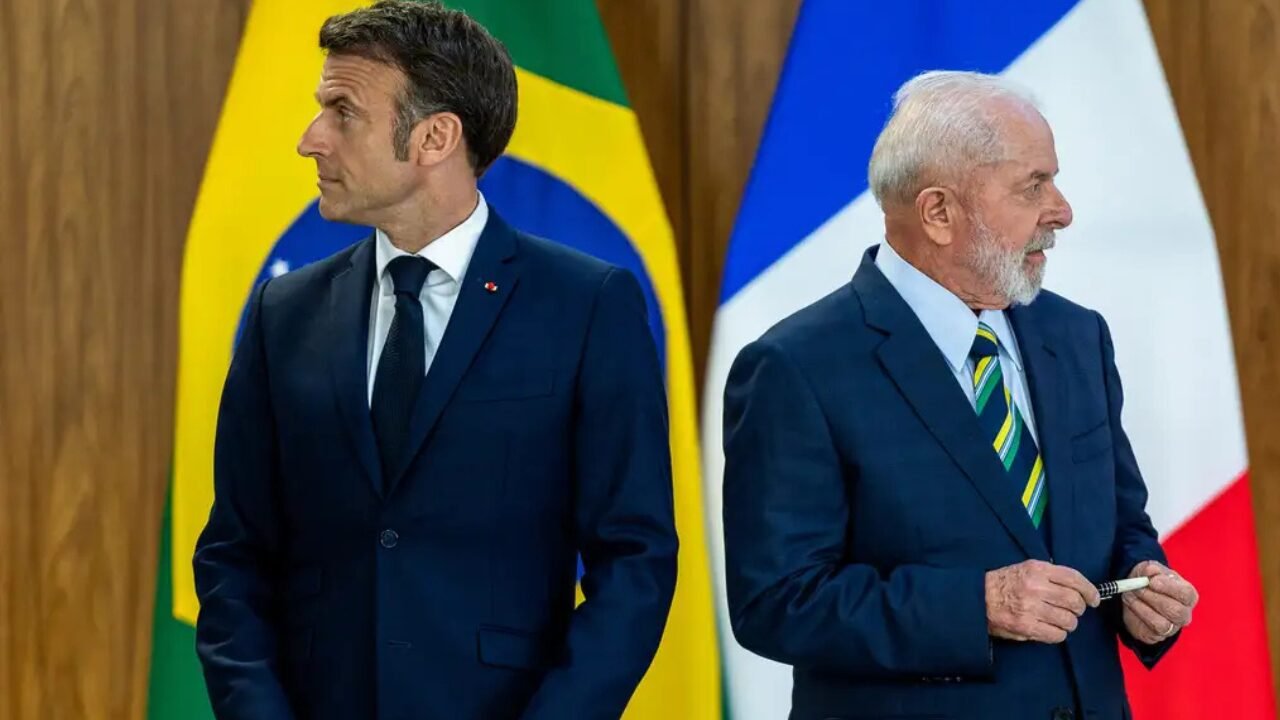
The division between countries was clear. On the one hand, President Lula, Frenchman Emmanuel Macron and Indian Narendra Modi defended strict global rules to prevent technology from being used in an authoritarian way, concentrating too much power in the hands of a few or causing irreversible damage to society.
On the other hand, the USA adopted a more pragmatic and, mainly, strategic stance. The head of the American delegation, Michael Kratsios, even classified the tougher regulatory proposals as “cosmetic” and did not hide Washington’s reasoning — autonomy and power in the modern world do not come from restricting technology, but from dominating it.
The message from Kratsios, one of Donald Trump’s main advisors in this area, is direct: whoever leads innovation sets the rules. In the end, the American model prevailed.
What the text says
Even without legal force, the document brings ambitious proposals. Among them the creation of an international platform to share security protocols and the commitment to expanding access for poorer countries to the infrastructure necessary to develop AI.
The text also gives priority to applications in areas such as medicine and agriculture. Furthermore, it provides a plan to address the effects of mass automation on the job market over the next five years.
The event in India featured around US$300 billion in investments and brought together, for five days, some of the main names in the global technology industry. Among them Sam Altman (leader of OpenAI, the company behind ChatGPT), Demis Hassabis (neuroscientist and CEO of Google’s AI laboratory) and Dario Amodei (co-founder of Anthropic, the company that created the Claude tool).
