
As so much of the modern game increasingly sucks the joy out of football, there remains something pure and precious about the sight of those famous black and white numbered balls being tipped out of the velvet bag for an FA Cup draw.
Your heart rate intensifies as they clatter when tipped into the bowl. Each side has the same chance of being pitted against any other club and, for those few moments, there is a special feeling. Hope.
Yet even this most innocent of simple traditions is no longer safe from the claws of commercialisation. Proposals put forward by the Football Association revealed in the Guardian, include a controversial plan to seed the top-four Women’s Super League sides from the previous season so they avoid each other. This seeding would create a road-to-Wembley bracket from the round of 32 onwards, doing away with draw ceremonies for last 16, quarter-finals and semi-finals altogether.
The FA’s justification is that it would help the competition generate move revenue from broadcasters and commercial partners and, to be fair, there is nothing wrong with the FA wanting to innovate to address a lack of income for this competition. However, giving a leg-up to the four wealthiest clubs is certainly not the right way.
Only four clubs have managed to win the Women’s FA Cup in the past 13 years (you’ll never guess which four would be seeded if these rules were in place this season). The implication is that the organisers feel only semi-final showdowns between the big four make the final commercially viable, but do they not realise how insulting that is to every other club taking part?
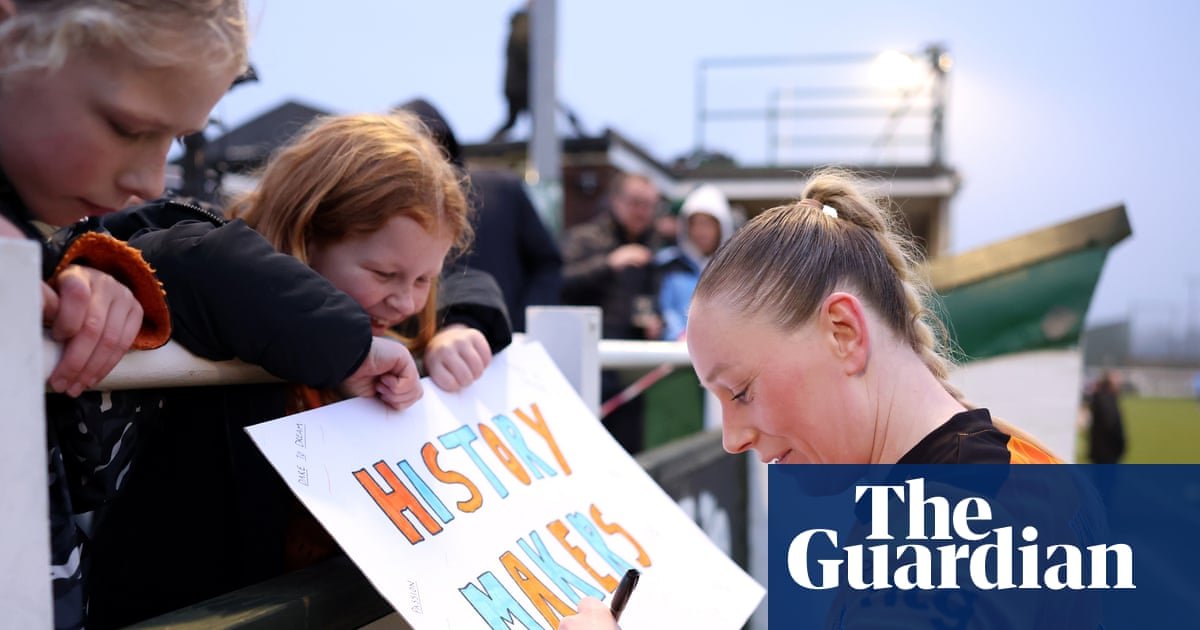
Instead, why not do a better job of telling those human stories that make the earlier rounds of the competition so special?
Seeding four clubs would be a “temporary adjustment” but it is not clear for how long. The FA, in its summary document – seen by the Guardian – appears to contradict itself. At first it says: “This proposal creates the highest chances of consistent high-quality matches throughout the later rounds of the competition.” But then later in the same paragraph, claims if would offer “a chance of a variation of fixtures”.
Equally, let us not pretend everything is rosy with the current situation. Having covered the competition since 2015, reporting on more than 50 ties, this reporter has never witnessed a giant-killing.
There have been occasional upsets, but they are scarce. Since the WSL was founded in 2011, no top-flight side has been knocked out by a club from below the second tier, and even instances of WSL2 sides eliminating top-tier clubs are rare. Second-tier Birmingham’s 1-0 win at Everton in January 2023 was the last time that happened, and is one of only two since 2019.
Mismatches, such as WSL2 leaders Charlton’s 10-0 victory over fourth-tier Swindon in this season’s fourth round, are not uncommon. Last year, Aston Villa thrashed Bristol Rovers 9-0, such is the chasm in resources between elite clubs and part-time or amateur sides in women’s football.
The solution to that, though, is surely to filter more money and support down the pyramid to help lift the lower tiers rather than to boost the top four by further enhancing their chances of winning the £430,000 prize, a cash injection that is not needed by Arsenal, Chelsea, Manchester City or Manchester United but could do wonders for local community facilities.
Overwhelmingly, fans’ reaction has been one of anger and bafflement. Of the 51 X users who had replied to this writer’s post about the proposed changes between Tuesday morning and Thursday morning, 50 were negative. In a powerful statement of opposition, the Manchester City Official Women’s Supporters Club “vehemently oppose these ideas”.
“We feel it goes against the very ethos of what the FA Cup represents. The whole idea of being able to draw anyone, home or away, throughout the entire competition, gives it a unique magic that supporters of all clubs appreciate and embrace. Seeding the top four clubs would remove that magic and we feel strongly that it should not happen.”
A spokesperson for the Football Supporters’ Association said: “The FSA is taking part in ongoing discussions with the FA as part of their review of the competition, during which fan representatives have expressed concern about proposals around seeding – something which fans feel goes against the traditions of the FA Cup.”
Outlining its position, an FA spokesperson responded: “We committed in our women’s and girls’ game strategy, Reaching Higher, to review the Adobe Women’s FA Cup, recognising the need to evolve the competition and strengthen its commercial potential. This would enable us to reinvest more funding into both the competition itself and the wider women’s football ecosystem, which is vital for long-term, sustainable growth.
“While a comprehensive review of the current format has been completed, no decisions have been made at this stage. Any future changes will be shaped in close consultation with stakeholders across the entire pyramid, including clubs, players, fans, and our broadcast and commercial partners.”
The manager of Hull City Ladies, Chris Hames, whose third-tier side reached the fourth round, said: “I’m concerned by the direction they are trying to take the wider game, this being just another example of how there [are] only five or six clubs truly cared about in the women’s pyramid.”
There are other areas of concern within the FA’s proposals too, not least an “entry tier review” about which, in a leaked document, the organisers say: “We recognise the impact that this change would have on clubs playing in tier 7.”
Additionally, bunching the latter rounds closer together in the calendar could have wider implications on league fixtures and sources at two WSL clubs have already raised concerns about potentially not being able to stage their derby fixture in its usual window during the men’s March international break.
It is important to emphasise that no final decisions have yet been made – a period of consultation is taking place, before a final plan will be put to the FA board in April, so there is still time for stakeholders’ feedback to matter.
The FA review’s wide-ranging scope, which has preceded these conversations, should be applauded for its breadth, and it does include some better conclusions, not least that the final should remain at Wembley. But fans have made it clear, , they want the proposal to seed four clubs eliminated.
Get in touch
If you have any questions or comments about any of our newsletters please email moving.goalposts@theguardian.com.
-
This is an extract from our free email about women’s football, Moving the Goalposts. To get the full edition, visit this page and follow the instructions. Moving the Goalposts is delivered to your inboxes every Tuesday and Thursday.
