
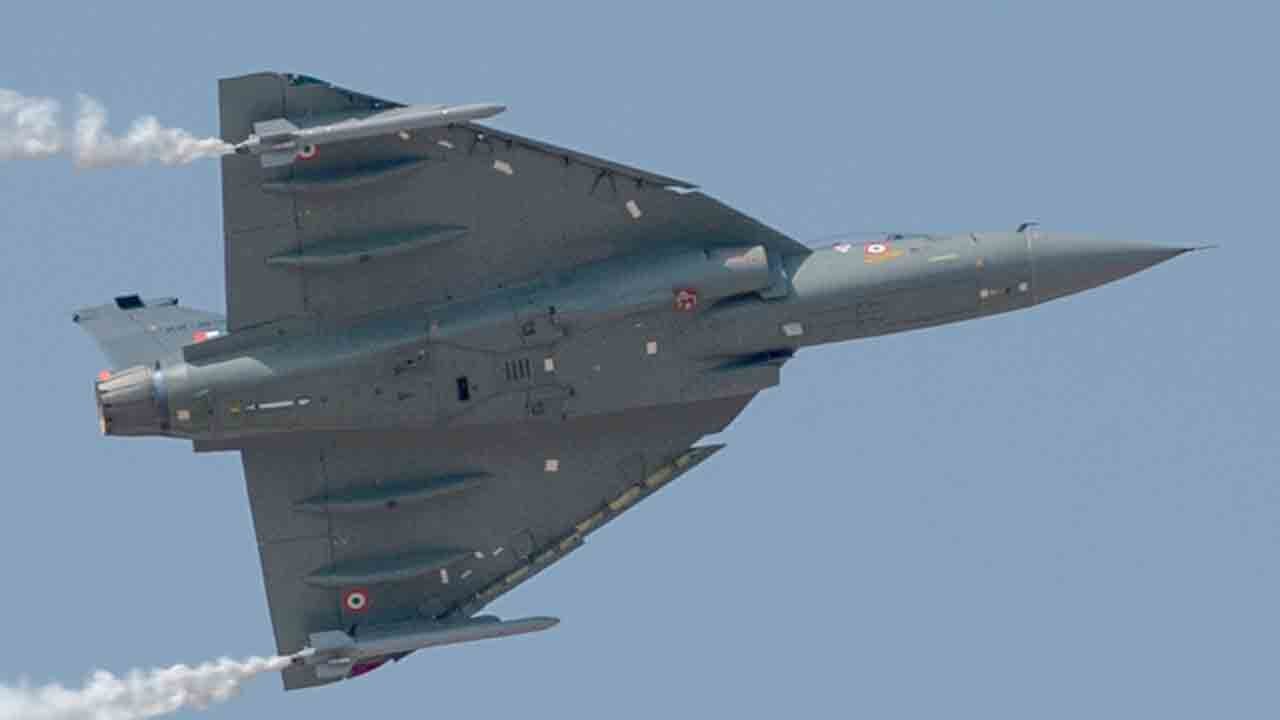
In early February 2026, a Tejas light combat aircraft crashed during landing after a training flight at an Indian Air Force base.
this information The Economic Times Published quoting its sources related to the defense sector.
The pilot ejected successfully and was not seriously injured. Initial reports suggest the aircraft has sustained severe structural damage and will likely be taken out of service.
The Indian Air Force has started the formal inspection and technical inspection process of the entire fleet.
+ Video: UAC hands over the last Su-35S aircraft of the year to the Russian Aerospace Forces
+ Video: India officially presented the new generation helicopter DHRUV-NG
Presently near India Tejas Mk-1 About 32 aircraft are in operation. this accident LCA (Light Combat Aircraft).
This is the third loss recorded in the relatively small fleet, increasing pressure on the programme.
History of recent events

This new accident comes on the heels of two other significant incidents:
On 12 March 2024, a Tejas aircraft crashed during a training flight near Jaisalmer; At that time also the pilot had ejected successfully.
On 21 November 2025, a Tejas aircraft crashed after an uncontrolled dive at low altitude in a demonstration flight during the Dubai Air Show. The pilot died in this accident and questions were raised about the reliability of the aircraft at the international level.
Dubai’s crash had a direct impact on its export image in particular.
Structural deficiencies mentioned in the report
The audit report by the Comptroller and Auditor General of India (CAG) found 53 significant deficiencies in the Mark-I version, which directly impact operational efficiency. The key points are as follows:
- Excess weight and limited thrust, affecting speed and maneuverability.
- Inadequate protection of the cockpit and fuel system.
- Internal limitations, due to which full establishment of self-defense systems was not possible.
- The actual rate of indigenization was estimated to be around 35%, much lower than the initially announced 70%.
- Dependence on foreign components increases vulnerabilities.
Heavy dependence on foreign components is another sensitive issue. Program after closure of indigenous Kaveri engine project General Electric Became dependent on F404 and F414 engines.
Delivery of F404 engines to the US between 2024 and 2025 has been delayed by more than two years due to supply chain delays, affecting the production schedule.
in 2025 HAL decided to install Israeli EL/M-2052 radar (Israel Aerospace Industries – IAI) in 83 Mk1A aircraft, thereby replacing the indigenous Uttam radar. This decision brought new challenges:
Control of the source code remains with Israel.
Problems in integration with the Indian Astra Mk1 missile.
The test conducted in March 2025 failed due to a data synchronization error between the radar and the weapon system.
Increasing monitoring of strategic programs
Tejas is a key part of India’s defense modernization and industrial self-reliance strategy in the aerospace sector. However, recent accidents, production delays and technical challenges are rekindling the debate over technological maturity, industrial management and external dependence.
The investigation into the latest accident will determine whether it was the result of operational error, human error or a systemic problem — and that conclusion could directly impact the pace of production and international confidence.
Sources and images: economictimes | Wikimedia. This content is generated with the help of AI and reviewed by the editorial team.
