
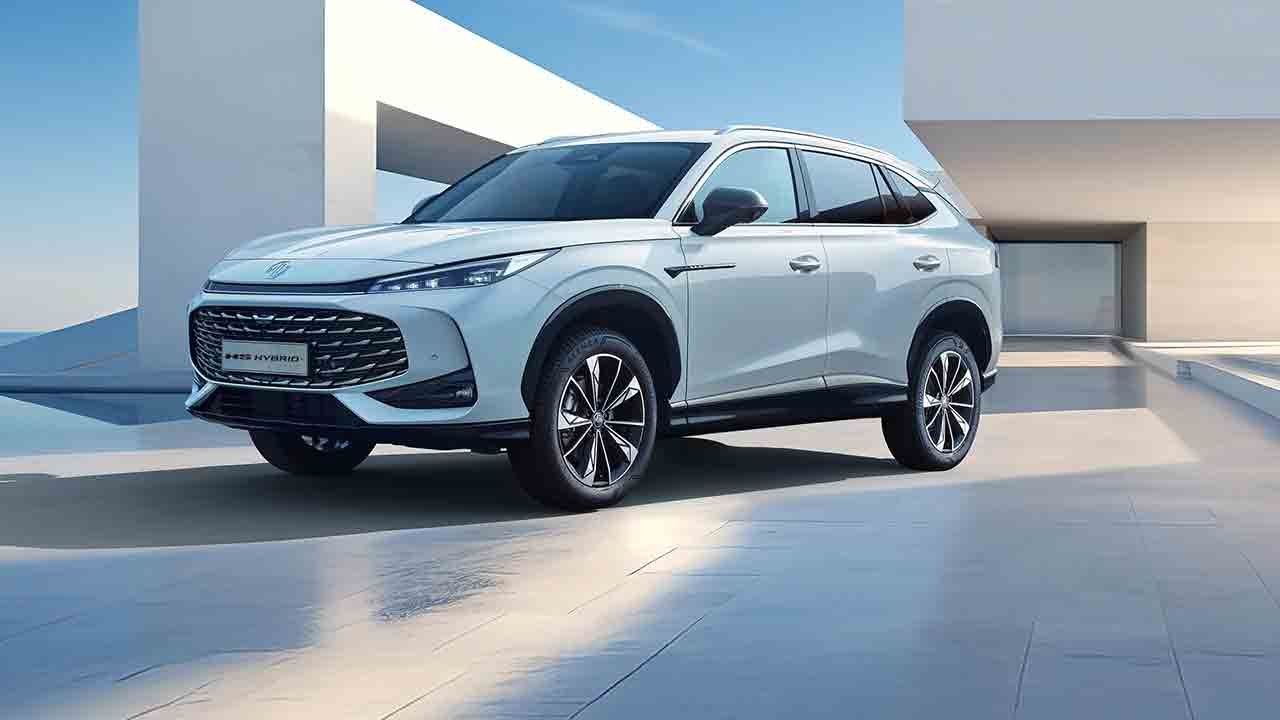
MG Motor has confirmed the delivery of its millionth vehicle to a European customer, establishing itself as one of the continent’s fastest-growing brands over the past decade.
Since returning to the UK market in 2011 with the launch of the model MG6 the manufacturer has expanded its presence to 34 European markets, supported by more than 1,300 partner dealers.
In 2025, the company sees 300,000 cars sold in Europe — an increase of 30% from 2024. The UK remains the brand’s main market, with a total of 386,000 cars sold since the brand’s relaunch.

Growth driven by electric cars and hybrids
One of the main drivers of MG’s expansion has been offering electric and hybrid vehicles with an affordable pricing strategy and an emphasis on technology. So far, the automaker has delivered 317,000 fully electric vehicles in Europe. The MG4 EV model, widely recognized in its segment, has become one of the pillars of this strategy and recently received the 2026 version and the new MG4 EV Urban variant.
In addition to battery electric cars, the Hybrid+ range also saw a strong performance in 2025, with 139,000 vehicles delivered during the period under review. According to the company, the combination of energy efficiency, on-board technologies and competitive position has contributed to the expansion of the customer base.

Next steps
The company said it will introduce new strategic technology and design announcements in the first half of 2026, reinforcing its commitment to the European market and expanding its electrified portfolio.
MG in Europe – Milestone of 1 million cars
Main numbers:
- Sales in Europe in 2025: 300,000 cars
- Sales Hybrid+ in 2025: 139,000 cars
- In total 100% electric vehicles: 317,000 cars
- Best selling model: MG ZS (424,000 cars)
- Main European market: United Kingdom (386,000 cars)
History MG Motor

MG Motor has British origins and was officially established in 1924. The abbreviation MG stands for Morris Garageswhich was the name of a shop in Oxford owned by William Morris. It was here that Cecil Kimber, the company manager at the time, began developing sportier versions of the Morris models, creating a brand that quickly established itself by producing light, affordable cars focused on the joy of driving.
During the 1930s to the 1960s, MG became one of the symbols of British sports cars, particularly with its compact roadsters, which conquered markets such as the United Kingdom and the United States. Models like the MGB helped cement the company’s reputation as a maker of elegant and relatively affordable sports cars, and linked the brand to a strong car culture and owners’ clubs that are still active today.
From the second half of the 20th century, MG went through several ownership changes and was part of groups such as British Motor Corporation and British Leyland. After the bankruptcy of MG Rover in 2005, the brand was acquired by a Chinese company Nanjing Automobilewhich was later incorporated into the group SAIC Motorthe current owner. Today, despite belonging to a Chinese group, MG maintains a design center in the UK and combines its British heritage with a strategy focused on electric and hybrid vehicles in the global market.
Source and images: MG Motor UK Limited. This content was created with the help of AI and reviewed by the editorial team.
