
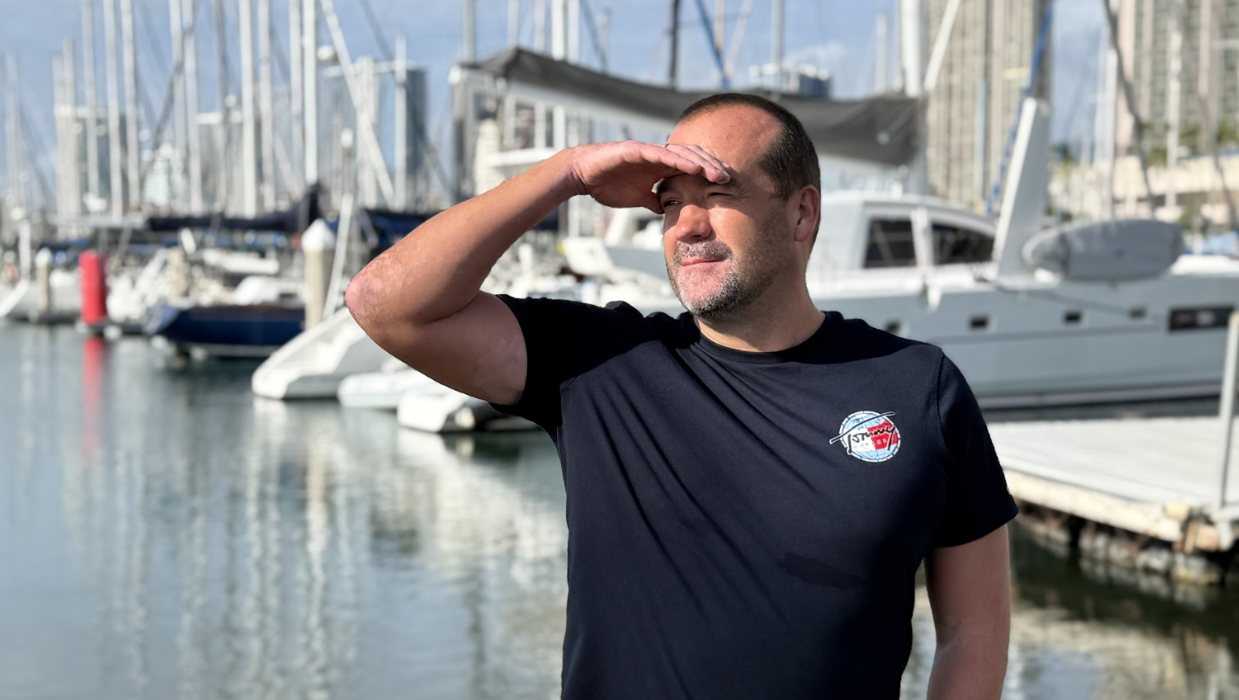
In Hawaiʻi, the ocean isn’t scenery, it’s a character. It shifts by the hour, whispers and thunders, invites and demands respect. Entrepreneur Oleksii Popov lives inside that rhythm and built a philosophy around it: emotion is the spark, but process is the engine. His path – from the thrill of a first plane across the water to quiet checklists on the dock – shows how to make adventure predictable without losing the magic.
Where the waterline begins
Popov didn’t enter the space as a lone romantic; he came in as an operator. Before water projects, he spent a lot of time learning planning, service quality, and real accountability for outcomes. That discipline became his base. Before launching a kite or windsurf school, he asked not, “Will it look exciting?” but “Will it be repeatable and safe?”
“I love the ocean, but I don’t sell risk,” he says. “I sell clarity. When people know what’s happening and where, the emotion is brighter – without fear.”
Over the past decade, Popov has launched and run water-facing programs: kite and windsurf schools, a wake zone with a kids’ academy, short hourly boat routes for first-timers, and family-friendly waterfront events. Now based in Hawaiʻi, he continues to do what he does best – turn interest in the ocean into a clear, welcoming experience.
Hawaiʻi, by the rules – respect over bravado
On Popov’s sites, safety isn’t backstage. Every session begins with a short, plain-language briefing; the water is marked with visible buoys and flags; gear is standardized so an instructor can spot an issue in seconds. “It’s not strictness for its own sake,” says Popov. “It’s the language the ocean understands: clear roles, steady pacing, and respect for weather.”
That “visible safety” doesn’t make the experience dull. It gives beginners what they came for: confidence. Parents relax, kids listen better, and experienced guests appreciate the straight talk – without performative heroics.
From waves to workflow
Popov calls his approach a market-creation method. The idea is simple and elegant: find the people whose interest isn’t being served – often families and beginners. Build a “first step” that’s short and clear. Test it with a small group, refine, then lock in standards: staff training, checklists, weather thresholds, and plain rules for stopping a session.
“If an experience can’t be repeated, it’s an accident,” he says. “I build systems. Then good days stop depending on luck.”
That’s why he prefers light-footprint growth: leasing critical gear, partnering with marinas and hotels, using modular setups. Less concrete, more attention to people and culture.
The moments that matter
What people remember isn’t always a record – it’s a decision. One gusty afternoon, the team closed the water for fifteen minutes. The lead instructor gathered everyone, explained why “the pause is care,” and shifted part of the lesson to shore. That evening, a guest thanked them “for ruining the fun.” The subtext was trust.
Another story: a “junior dock hand” who started by helping on the pontoon, learned to greet guests, check life-jacket straps, and now runs beginner sessions for kids. For Popov, these small steps are how a culture is built – quiet gestures over loud slogans.

When the city is a partner
Hawaiʻi is waves and rules: neighbors, parking, evening quiet, shorelines that should be left cleaner than you found them. Popov doesn’t push against that rhythm; he aligns with it. His proposals show staff training, weather cutoffs, who’s empowered to stop a session, and how feedback is handled. In return, cities and marinas share weekend dock time, list programs on community calendars, and recommend them to guests.
“Luxury isn’t about exclusivity anymore,” he says. “Luxury is a predictable hour you can share with your child and your parents.”
What’s next
Popov’s current focus is a handful of Hawaiʻi pilots: short boat routes for people who’ve never been on the water, beginner lessons with clear progression, and family waterfront days in partnership with hotels and marinas. He’s planning an instructor academy that teaches guest communication, weather-based decisions, and calm session management – and an open playbook of materials and checklists small operators and municipalities can use. Scholarships for local youth are part of the plan, building a path from first lesson to paid waterfront work.
The ocean’s voice
Popov’s working style features minimalist signage, measured briefings, and patience. He never promises to “tame” the ocean. He offers to read its rhythm. In a world of noisy claims, that quiet lands louder.
“The ocean will always be stronger than us,” Popov says. “But we can be smarter. And kinder.”
