
Getty Images/iStockphoto
The precious metals market has been on a tear lately, with prices for silver, gold and other metals climbing upward on a seemingly endless trajectory. And gold, in particular, has been a shining example of how quickly prices can climb, with the price of gold recently breaking through the $5,000-per-ounce barrier as more investors flocked to the precious metal amid economic uncertainty and geopolitical instability. But while most people buying gold stick to coins or small gold bars that they can tuck into a home safe, there’s an entirely different market operating at the institutional level.
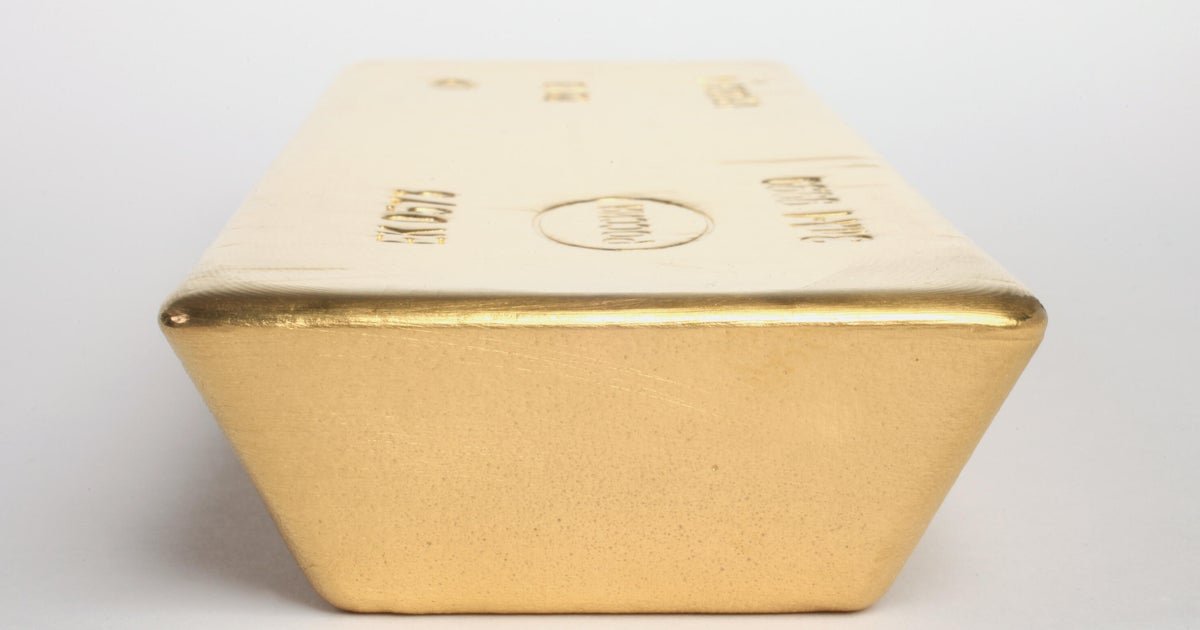
The 400-ounce gold bar sits at the center of this professional market. It’s the global standard for serious gold trading, meeting London Bullion Market Association specifications that make these bars recognized and tradable nearly anywhere across the globe. Central banks hold them. Hedge funds buy them. But for individual investors considering stepping up from smaller purchases, understanding what one of these gold bars actually costs requires looking well beyond the spot price you see quoted each day.
That’s because when you’re acquiring physical gold at this scale, the premiums stack up and the verification protocols add costs, too. So, how much is a 400-ounce gold bar actually worth in this market? That’s what we’ll examine below.
Take steps to add gold to your investment portfolio now.
How much is a 400-ounce gold bar worth in today’s market?
At today’s gold spot price of about $5,073.51 per ounce (as of February 11, 2026), a 400-ounce gold bar has a baseline value of approximately $2.03 million. However, that calculation only tells part of the story when it comes to actually purchasing physical gold at this scale.
The spot price represents the current market value for immediate delivery of gold, but buyers of physical gold pay premiums above this benchmark. For 400-ounce bars, the premiums can vary, but typically start at 1% to 3% over spot, depending on market conditions and the dealer. That translates to an additional $20,000 to $60,000, approximately, on top of the base value.
Several factors influence the final purchase price, though. For starters, the gold bar’s purity matters significantly. For these bars to meet London Bullion Market Association specifications, they must be at least 99.5% pure gold, and gold bars with higher purity command premium prices. The refiner’s reputation also affects value, with gold bars from established mints like PAMP Suisse carrying higher premiums due to their recognized authentication and quality standards.
Authentication and assay costs add another layer of expense. Buyers typically require independent verification of the 400-ounce gold bar’s weight and purity, which involves assay fees ranging from several hundred to several thousand dollars. Additionally, insurance and storage represent costs that can run several thousand dollars annually for a gold bar of that size.
It won’t impact the upfront costs, but the liquidity considerations matter in terms of value, too. While 400-ounce bars are highly liquid in institutional markets, selling them quickly at full value requires access to the right buyers. Dealers may offer slightly below spot price when purchasing from individuals, creating a spread between buying and selling prices that investors should factor into their calculations.
Protect your investment portfolio with gold and silver today.
What you need to know before buying a 400-ounce gold bar
The practical aspects of owning a 400-ounce gold bar extend well beyond the purchase price. These bars weigh approximately 27.4 pounds, which is manageable for transport but requires secure storage solutions. Most buyers work with allocated storage at specialized vaults where the specific bars remain segregated and identifiable, though this service typically costs a percentage of the gold’s value annually.
Tax implications vary by jurisdiction, but in the United States, gold is classified as a collectible, meaning that it’s subject to a maximum 28% capital gains tax rate on profits, which is higher than the standard long-term capital gains rate. Transactions involving large gold purchases may also trigger reporting requirements under anti-money laundering regulations, with dealers required to file reports for cash purchases exceeding $10,000.
Verification documentation is crucial, too. Reputable 400-ounce gold bars come with certificates of authenticity from the refiner, including serial numbers, weight, purity and production date. Maintaining this documentation is essential for resale, as buyers will require proof of authenticity and provenance.
The bottom line
A 400-ounce gold bar carries a theoretical value of about $2.03 million at current market prices, but the actual acquisition cost runs higher once you account for premiums, authentication, insurance and storage. These bars represent serious investments suited for institutional buyers and high-net-worth individuals who understand the logistics and costs involved in holding physical gold at scale. So, before committing to a purchase of this magnitude, work with established dealers, factor in all ancillary costs and ensure you have secure storage arrangements in place.
