
A study carried out at the University of Pennsylvania Veterinary School in the United States uses sniffer dogs to detect the odor of a rare type of cancer in blood samples. According to research, recently published in The Veterinary Journalfive previously trained dogs were able to correctly identify canine hemangiosarcoma samples 70% of the time, a rate compatible with that observed in studies with dogs that detect cancer in humans, a more consolidated study approach.
Hemangiosarcoma is an aggressive type of cancer that affects blood vessel cells and, in most cases, is only diagnosed when an apparently healthy dog collapses, which is why it is called the “silent killer”. According to the researchers involved in the study, between a third and half of dogs will develop some type of cancer during their lifetime.
According to Clara Wilson, who is part of the research team, hemangiosarcoma has a pattern of volatile organic compounds (or a characteristic odor) that dogs can detect. “We notice volatile organic compounds whenever we smell something. Dogs have the ability to detect them at much lower levels than we do. These compounds are important because they appear to be key to dogs’ ability to sniff out things like cancer,” details.
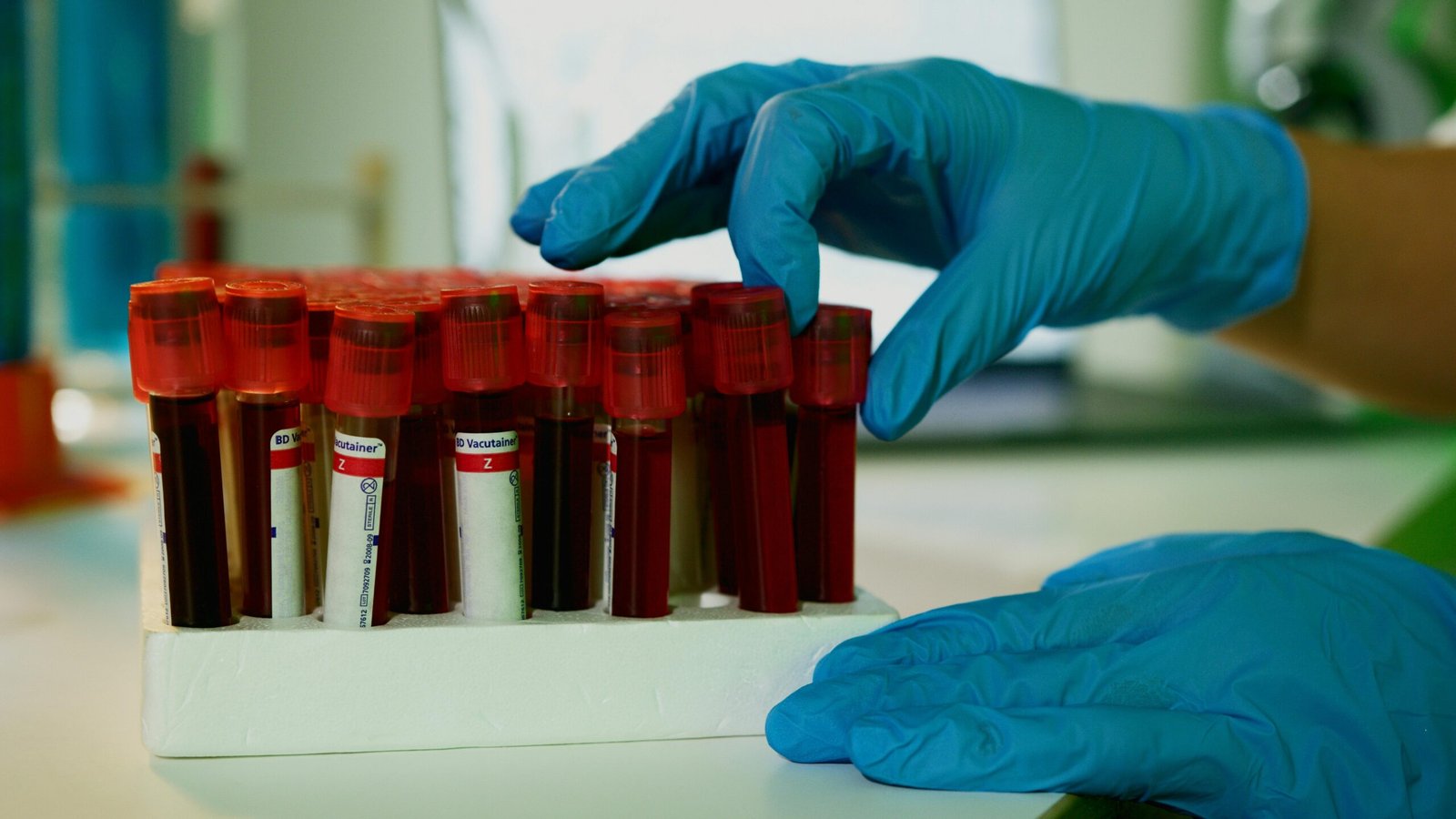
Five biodetection dogs previously trained to recognize odors associated with diseases (including human ovarian and pancreatic cancer) came into contact with blood serum samples from dogs with hemangiosarcoma, dogs with non-oncological diseases and other healthy dogs.
“We use high-tech olfactometers, which have a small infrared laser beam at the top. When this beam is interrupted, it registers that the dog is examining the sample. And if it stays in that beam long enough — and if it’s the correct sample — it will hear a beep and know to come get its treat,” he details.
The result confirms that hemangiosarcoma has a detectable olfactory profile, which is “very encouraging” as the odor test could be used as an annual screening test. “Detecting cancer is incredibly difficult. It’s a very complex odor,” says Wilson. With early diagnosis, it would be possible to test new therapies and treatments, such as removing the spleen and starting chemotherapy earlier.
