
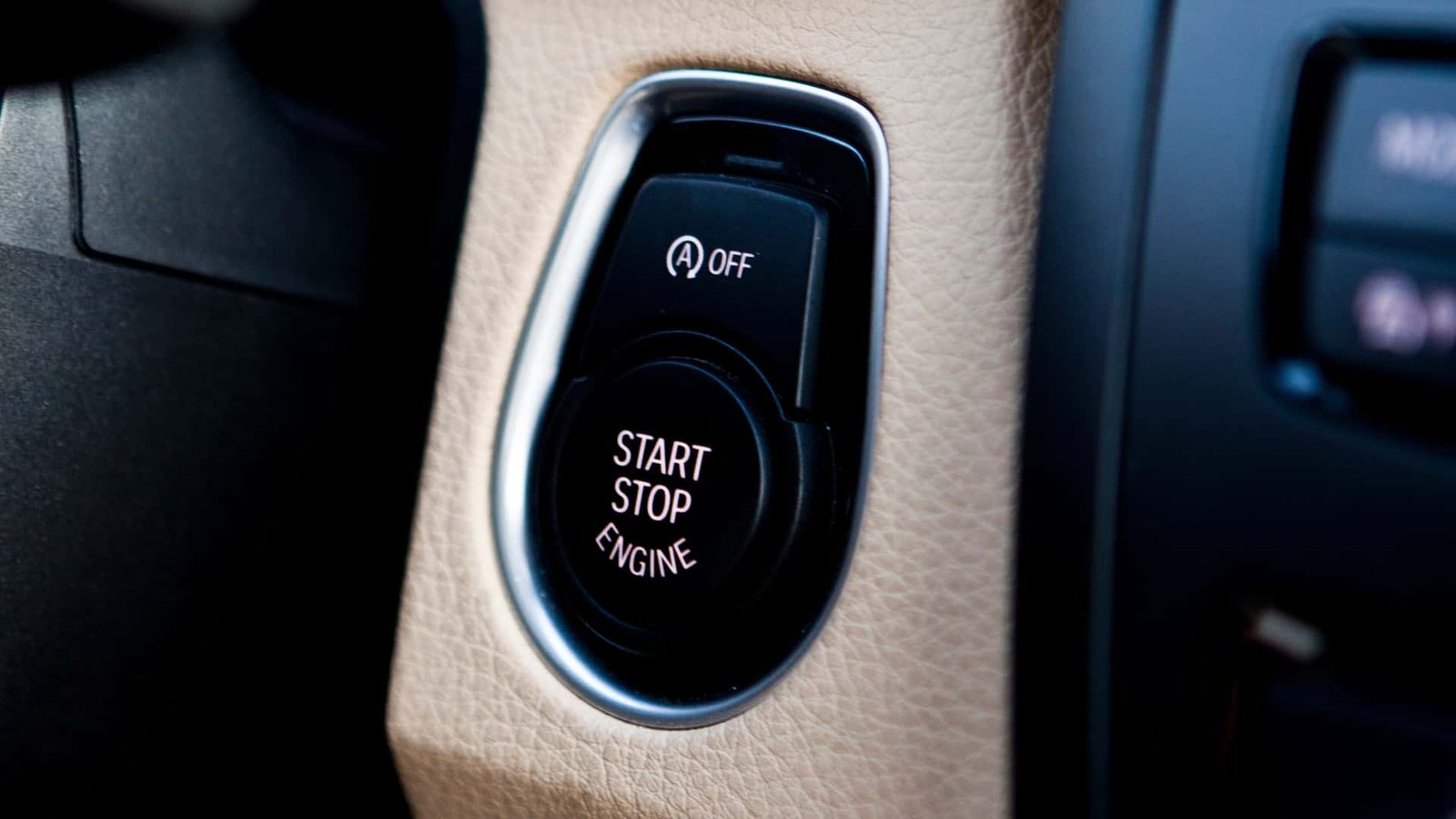
- The EPA is eliminating incentives that encouraged automakers to use auto stop/start systems.
- Without those credits, the feature will likely become less common in new vehicles.
- The change aligns with broader deregulation efforts and ongoing consumer frustration with the system.
Early in 2025, the head of the EPA, Lee Zeldin, hinted that the Trump Administration was considering killing automatic stop/start, arguably one of the most annoying features found in any modern car. Today, it’s official—automatic stop/start is effectively dead.
The US Environmental Protection Agency announced what it calls the “single largest deregulatory action in US history.” The administration is rolling back a range of vehicle emissions standards put in place under previous administrations—including automatic stop/start.
Automakers introduced auto-stop/start as a way to help meet federal fuel economy and greenhouse gas targets. These systems automatically shut off a vehicle’s engine when it comes to a complete stop and restart it when the driver moves again, reducing wasted fuel during idling and improving efficiency in stop-and-go traffic.
Under the new EPA rule finalized in February 2026, all off-cycle credits, including those tied to auto stop/start, have been eliminated. These credits previously allowed manufacturers to earn compliance “points” for installing fuel-saving features, even if the real-world impact varied. The agency’s announcement specifically notes that features like stop/start, which many drivers find annoying, will no longer be incentivized through federal regulations.
“The Endangerment Finding has been the source of 16 years of consumer choice restrictions and trillions of dollars in hidden costs for Americans,” said Administrator Zeldin. “Referred to by some as the ‘Holy Grail’ of the ‘climate change religion,’ the Endangerment Finding is now eliminated.”
That said, automakers can still add auto stop/start to their vehicles if they so choose. While the technology isn’t outright banned, it’s more likely to be offered as an optional feature moving forward—if at all. The rollback is part of a larger shift in federal policy away from regulatory mandates on vehicle emissions and greenhouse gases.
Motor1’s Take: This is good news for people who hate automatic stop/start—and many do. Automakers are no longer required to include it with every new vehicle. That said, it’s unclear what the larger implications of the rollbacks mean for consumers.
Source:
Environmental Protection Agency
