
Telephone and internet services remain suspended in Iran after two weeks of protests and intense repression by the ayatollahs’ regime.
This weekend, the supreme leader of the Persian country, Ayatollah Ali Khamenei, acknowledged, for the first time, that thousands of people died in the acts. According to Reuters, the death toll has reached 5,000.
The protests have lost strength in recent days and the communications blackout has slowed calls for new demonstrations against the government.
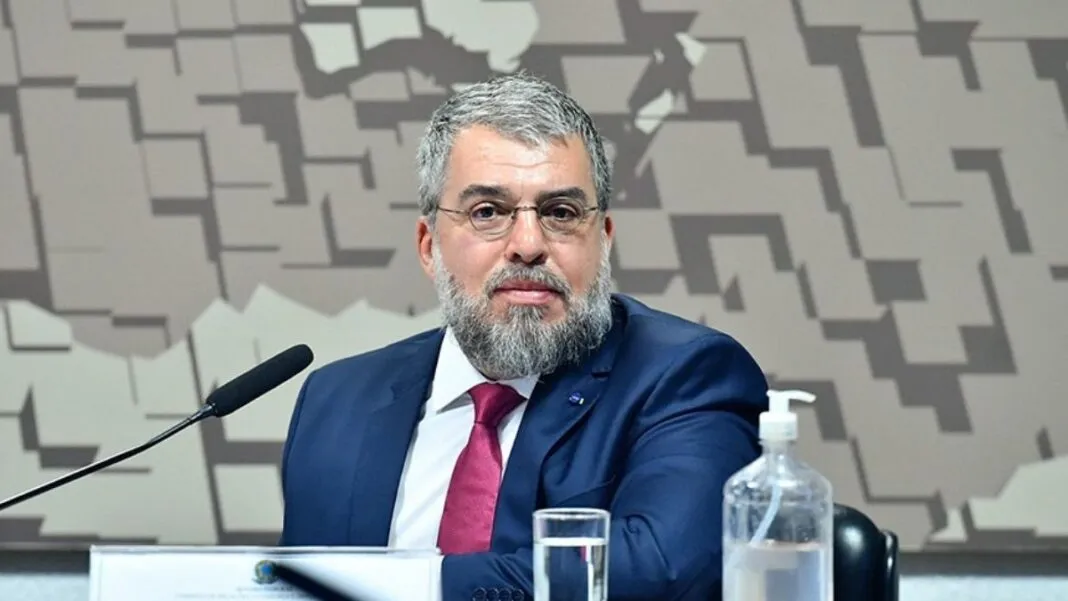
On Tarde Band News, presenter Paula Valdez and international affairs editor Adriana Wainstock spoke with the Brazilian Ambassador to Iran, André Veras Guimarães. The conversation took place over the phone as the internet signal in Tehran was so weak that it prevented the transmission of video content.
He explained that communication has been the biggest challenge in the region at the moment.
“The difficulty is receiving information. The government explains that this need to have cut off access to the internet due to a campaign that came from abroad disseminating false news. And also this issue of the possibility of external aid, this was also seen as a way of encouraging protests. This is the Iranian government’s justification.”
Veras Guimarães also gave an overview of the situation this Monday in the Iranian capital.
“I haven’t seen this intensity of protests here. I can’t say about other areas because we don’t have information. Our service here has been done in person. People go to the embassy, there are no difficulties in getting around, the city continues to function, it’s normal in terms of business openings. In Tehran, the situation is calm from the protests’ point of view.”
“We had some people who came to us so that we could give information to their families. There weren’t many, just a few. We transmitted the contacts in Brazil and told the family through the Ministry of Foreign Affairs that these people looked for the embassy, they said they were fine and that there was no involvement in any incident.”
RISK OF ECONOMIC SANCTIONS
In addition to diplomatic relations, the Brazilian government sees Iran as an ally in the Middle East. Brazil was one of the few Western nations invited to the inauguration of the country’s president, in 2024, it led to the Iranians’ entry into the BRICS and has a historical relationship with Tehran.
The partnership is translated into successive surpluses. Since 1989, Brazil has sold more to Iran than it buys. Currently, the Persian country is Brazil’s fourth largest trading partner in the Islamic world. Therefore, the 25% tariffs for countries that trade with Iran, announced by American President Donald Trump last week, are viewed with caution.
“We have to know what will actually happen. The imposition of this 25% tariff is unilateral.
Just as President Trump recently also indicated tariffs and then had to readjust them, I think there will be a readjustment too.
There is no conversation yet on this aspect. We are still waiting to find out how it will evolve to see what is the best path to take”, concludes the ambassador in Tehran.
