
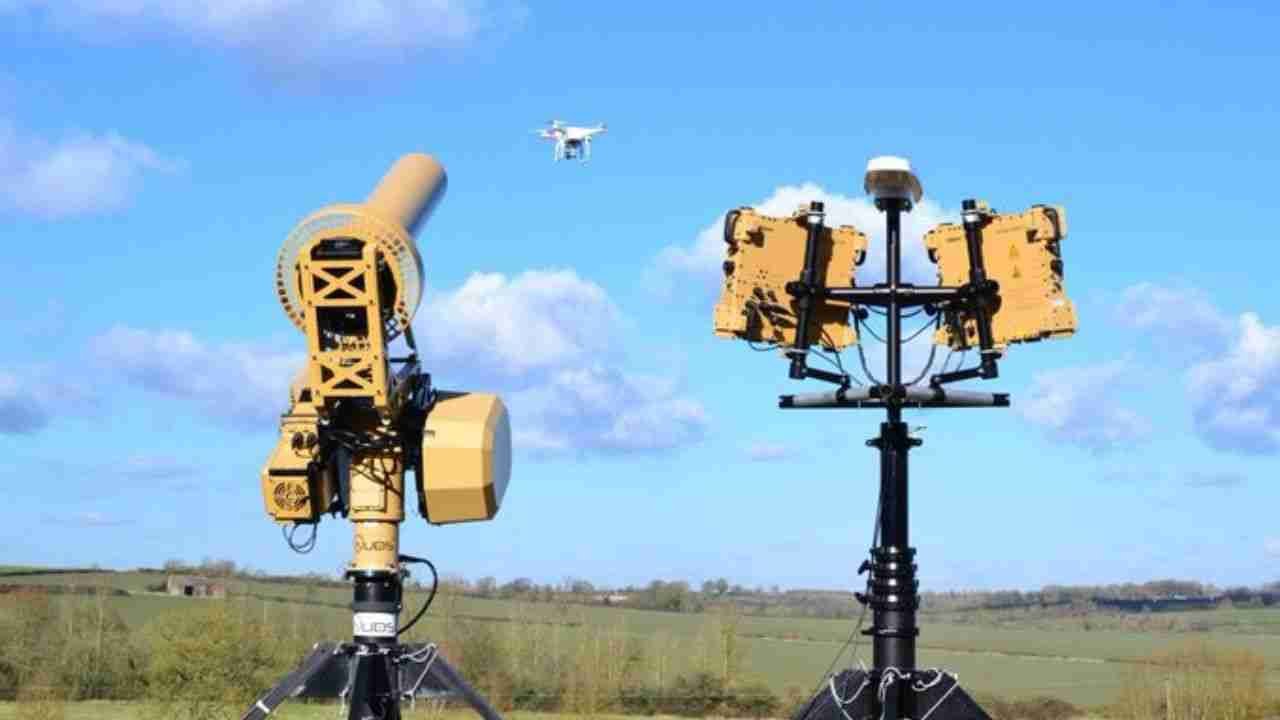
Poland has revealed new details about the SAN program, a future air defense system designed specifically to protect the country against unmanned aerial vehicles.
The information was released by the Defense24 portal, based on statements by General Artur Kuptel, who highlighted the importance of the project in light of the recent aerial threats faced by Polish territory.
According to the general, the SAN system was designed to respond to a new type of threat that gained relevance from September last year. The main mission will be to detect and neutralize a wide variety of aerial targets, not just Shahed-type attack drones, but also smaller drones and, in certain conditions, other types of targets.
The system is expected to feature 30 mm cannons equipped with programmable ammunition, as well as APKWS guided missiles and interceptor drones. It is also planned to incorporate non-kinetic means of engagement, which will likely include electronic warfare capabilities, electronic intelligence and even microwave-based weapons.
+US sends M1A2 Abrams tanks to Romania in rotational reinforcement on NATO’s southeast flank
Equipped with active radars and electro-optical sensors, the SAN will enable the detection, classification and tracking of aerial targets in real time. The plan envisages the delivery of several batteries of the system to the Polish Armed Forces, integrated into existing air defense units. The first batteries are expected to enter operational service in 2026, with deliveries completed in 2027. In total, Poland intends to acquire six batteries from the system, the launch of which was officially announced in November 2025.
Source: Militarnyi | Photo: X @visegrad24 | This content was created with the help of AI and reviewed by the editorial team
🇵🇱 “Sun” System: Poland to deploy an anti-drone shield along its border by 2026
The first batteries of the system will enter active duty as early as 2026, with full deployment scheduled for 2027.
The Sun system will be a key component of Poland’s “Eastern Shield” and is… pic.twitter.com/LyJa38bzMk
— Visegrad 24 (@visegrad24) January 23, 2026
