
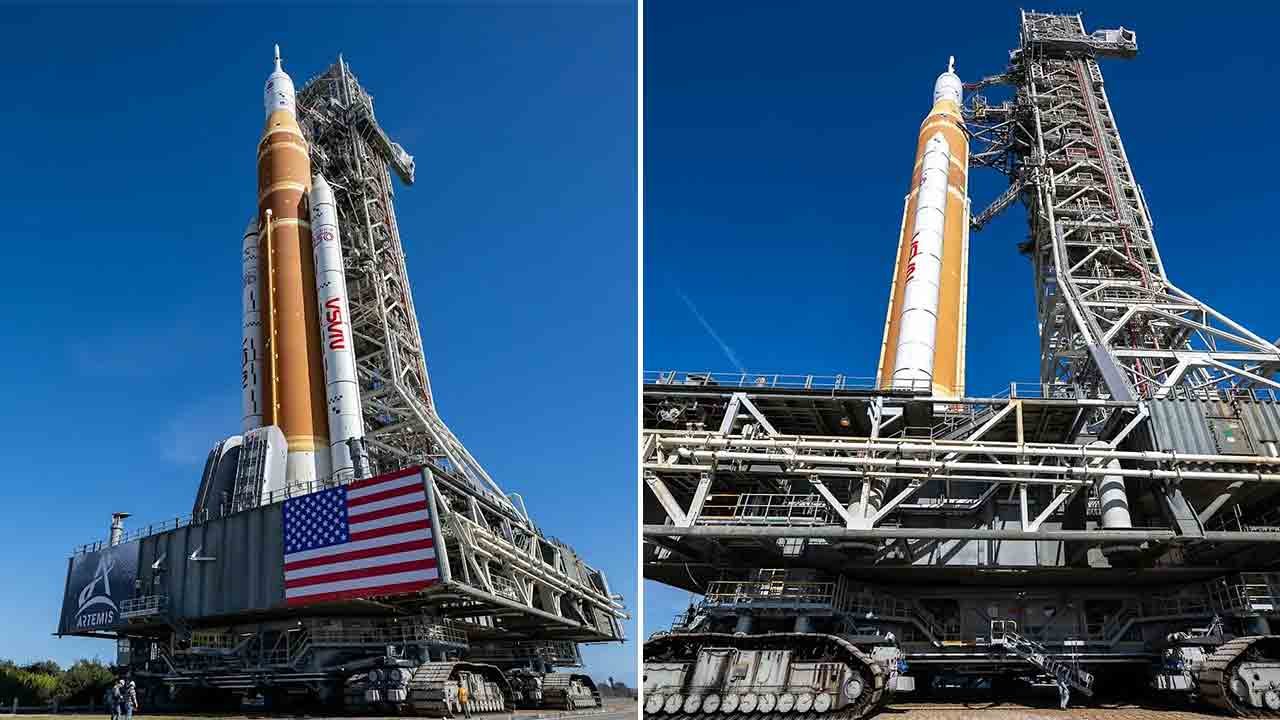
Space Launch System (SLS)class Orion The Artemis II rocket, consisting of a spacecraft, arrived at launch pad 39B at the Kennedy Space Center in Florida at 6:42 p.m. (local time) on Saturday, January 17, 2026.
This move marks the completion of approximately 12 hours of transport starting from the Vehicle Assembly Building (VAB).
The transfer was carried out by Crawler-Transporter 2, which a few hours ago had traveled a distance of approximately 6.4 km (4 miles) at a maximum speed of only 1.3 km per hour. The equipment slowly transported the stacked rockets and spacecraft to the launch complex.
After passing through the VAB gate, a scheduled stop was made to reposition the crew access arm, a structure that will provide astronauts and technical personnel access to the Orion spacecraft on launch day.
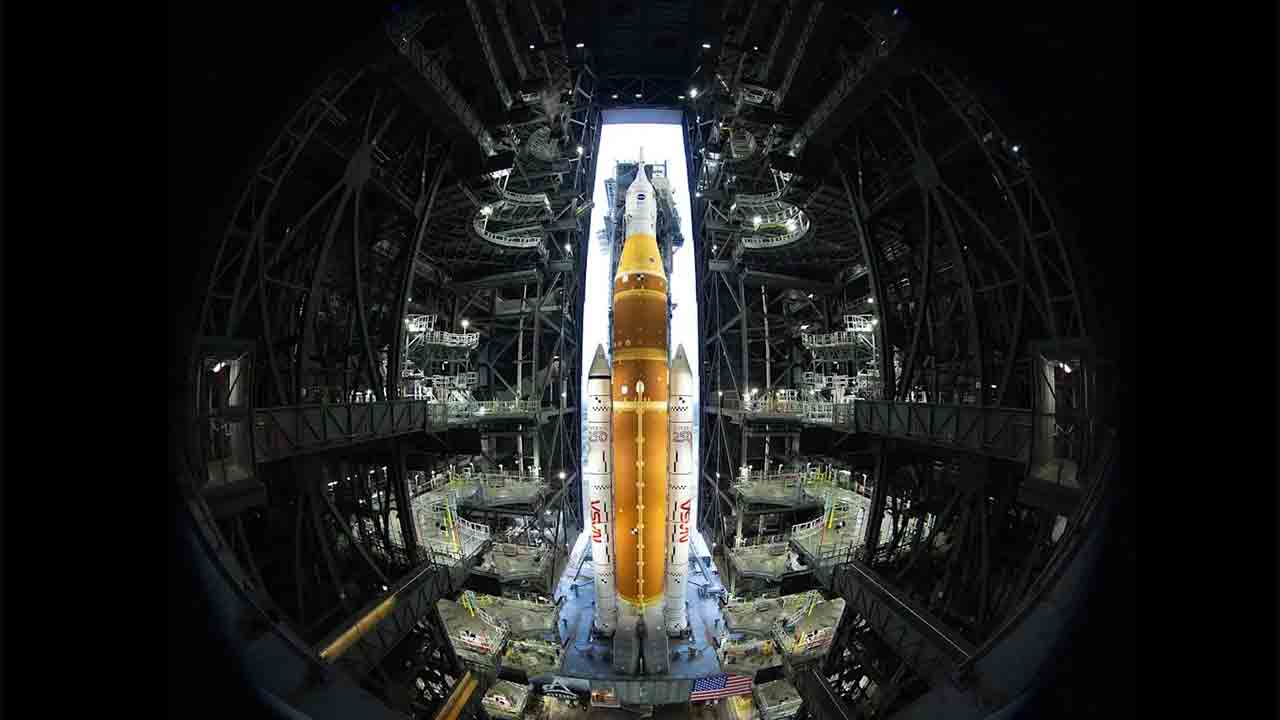
Over the next few days, engineers and technicians will prepare Artemis II for a ‘wet dress rehearsal’, a key step that will test cryogenic propellant injection, countdown procedures and safe discharge of fuel. The test is scheduled to be conducted no later than February 2nd.
NASAdoes not rule out the possibility that additional testing will be needed to ensure all systems are fully verified. If necessary, the rocket and spacecraft can return to the VAB for adjustments prior to the final launch date.
+ Poland pushes to ban Chinese vehicles from military areas due to concerns over espionage risk
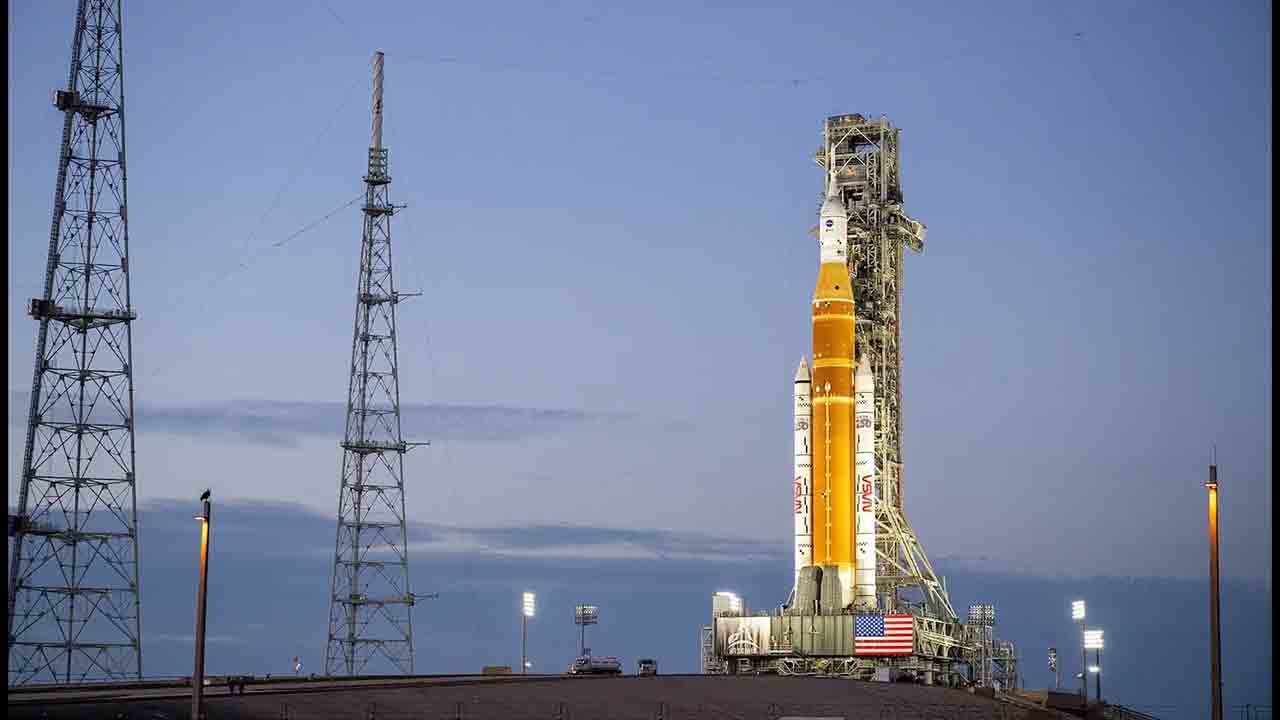
The Artemis II test flight will include NASA astronauts Reed Wiseman, Victor Glover, and Christina Koch, as well as Canadian Space Agency astronaut Jeremy Hanson, who will fly around the moon for about 10 days before returning to Earth.
This mission is another step forward in the Artemis program, which aims for new manned activities on the lunar surface and a sustainable presence on Earth’s natural satellite, which will help humanity’s future Mars It is meant to pave the way for manned missions.
Source and image: NASA. This content was created with the help of artificial intelligence and has been reviewed by our editorial team.
