
More than 200 people died during a collapse at a coltan mine in the city of Rubaya, in the east of the Republic of Congo, according to a civil society leader and local rebel authorities this Saturday (31).
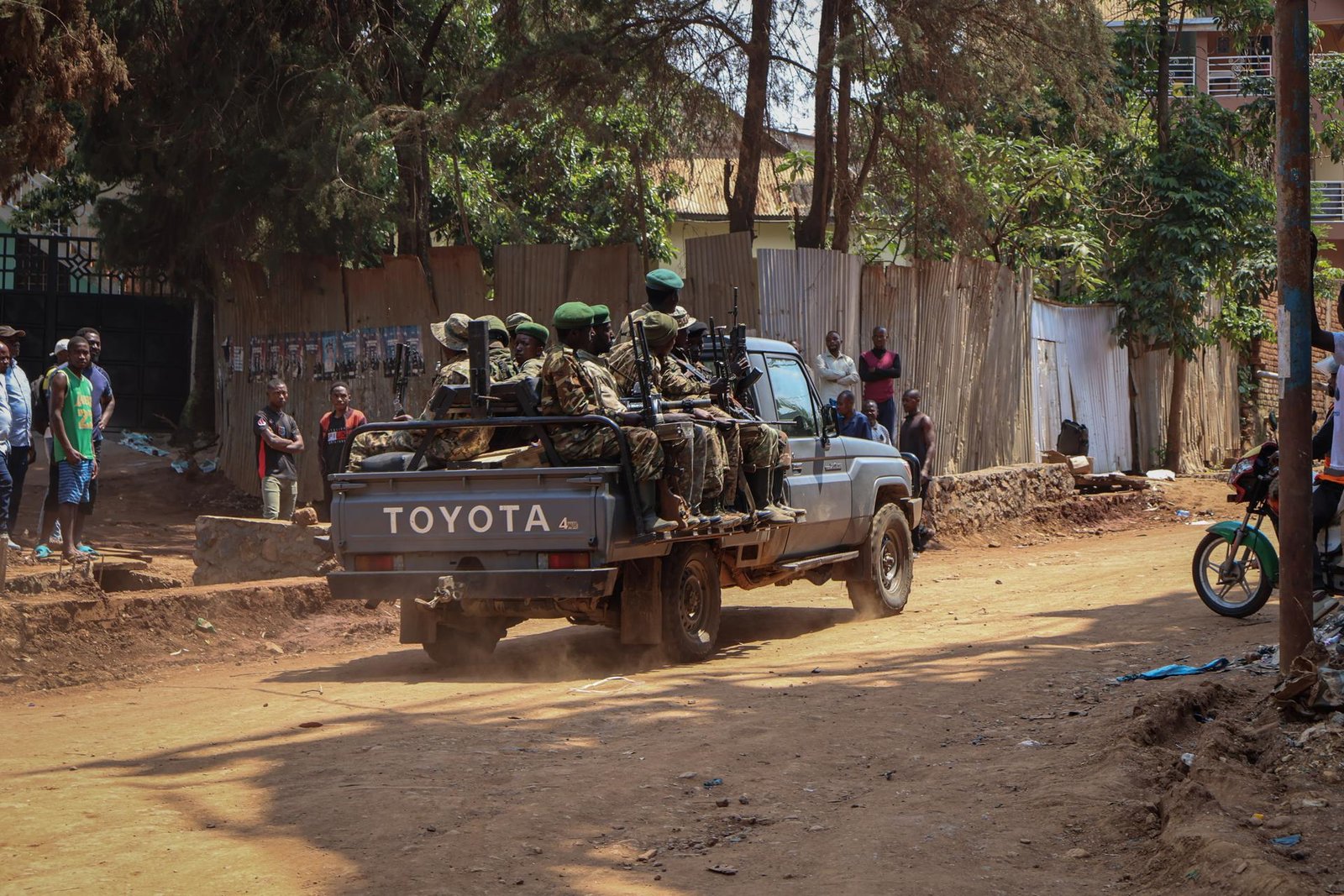
The mine is controlled by the armed rebel group Movimento 23 de Março (M23), opposed to the Congolese government. The collapse occurred on Thursday in the mine located in the territory of Masisi, in the province of North Kivu, following rain in the region.
“What happened here in Rubaya after the rains on Thursday is truly terrible. The number of bodies continues to increase. Yesterday, we recovered 45 bodies from the wells, but, as of this morning, we have more than 200, most of them artisanal miners,” he told EFE Agencyby phone, Telesphore Nitendike, president of Masisi civil society.
Among the dead, in addition to the miners, are traders who worked in the area, dominated by the rebels, who also control the mine where the disaster occurred. Frequent rains in the region have made the soil increasingly fragile, with mining shafts being the most prone to collapses, according to the civil society leader.
The conflict in eastern Congo worsened in late January 2025, when the M23 took control of Goma; and, weeks later, from Bukavu, capital of neighboring South Kivu, after fighting with the Congo Army.
Both provinces are rich in minerals such as coltan, essential for the technological industry in the manufacture of cell phones. The city of Rubaya is responsible for distributing 15% to 30% of the world’s coltan.
Mining accidents are frequent in the country, where many mines are explored in an artisanal way, without following the necessary regulations and safety measures, in addition to, in many cases, being operated by armed groups.
Since 1998, eastern Congo has been in conflict fueled by rebel groups and the Army, despite the deployment of the UN peacekeeping mission (Monusco). According to the United Nations, M23 has established a “state-like administration” in Rubaya and formed a “ministry responsible for mineral exploration” that releases or denies licenses to miners and operators.
