
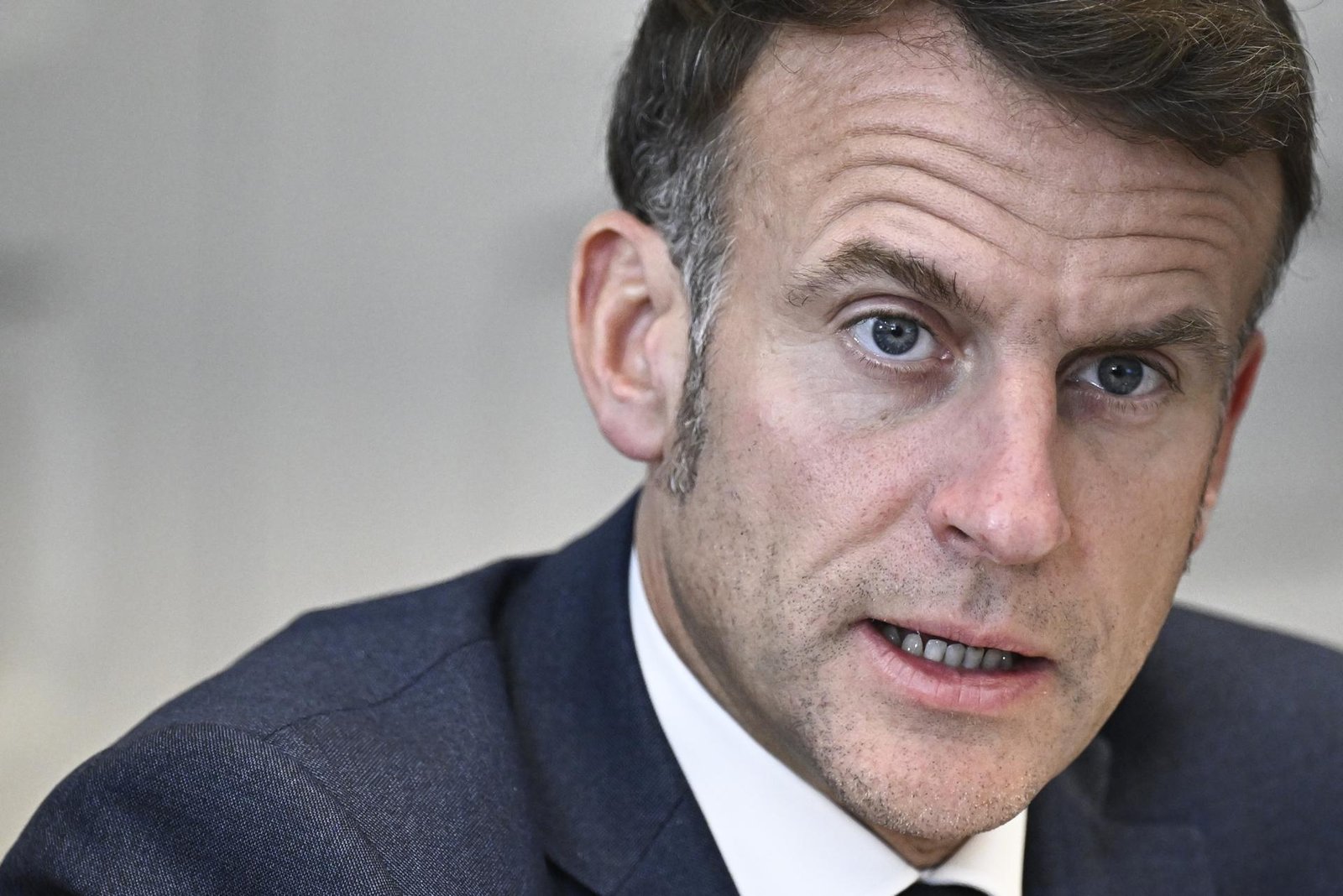
French President Emmanuel Macron suggested that the European Union activate its anti-coercion mechanism in response to the threat of a new tariff war with the US government, led by Donald Trump.
The leader of the White House announced on Saturday (17) on his social networks that he intends to impose additional charges of 10% from February 1st on countries that oppose the American plan to annex Greenland. In the publication, the American stated that products imported from Denmark, Norway, Sweden, France, Germany, the United Kingdom, the Netherlands and Finland will be subject to the new tariff.
The use of the Instrument against Economic Coercion (ACI), the “shield” against tariff threats to the European bloc, would open the way for a wide range of sanctions against Washington, such as tariffs and restrictions on the access of its companies to European public tenders.
As the European Parliament website explains, this mechanism created in 2023 by the EU aims to be a “deterrent weapon” to resolve contentious conflicts. Macron considered Trump’s threats “unacceptable” and quickly reacted by saying that Europeans would respond “in a united and coordinated way.”
If France’s request is approved by other EU leaders, the bloc could not only impose additional tariffs on US imports, but also prevent American companies from purchasing shares in companies from the 27 Member States, receiving public or private financing and participating in bids for public contracts with their governments.
The ACI also authorizes the EU to demand financial “reparation” from the country that exercised coercion against it, in this case the USA.
The instrument was drawn up shortly after the end of Trump’s first term. On that occasion, European countries argued that “coercion” is not included in the World Trade Organization (WTO) agreements and, for this reason, there was a need to create their own mechanism for joint protection.
The Financial Times newspaper reported on Sunday that the European Union is considering imposing tariffs that could reach €93 billion (R$580 billion) on the USA or restricting the entry of American companies into the bloc’s market.
