
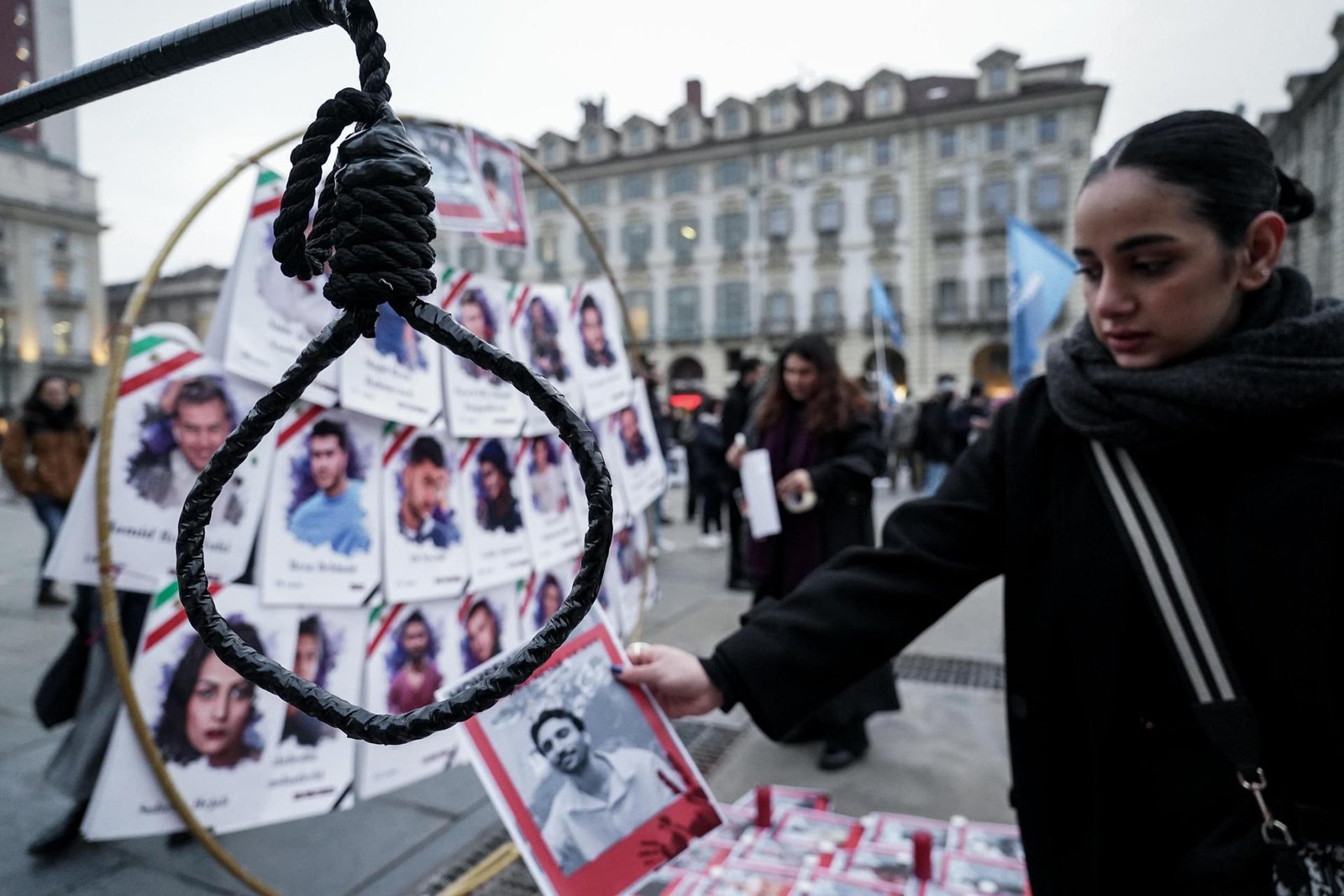
Brazil decided to abstain, this Friday (23), in the vote held at the United Nations Human Rights Council on a resolution that condemns human rights violations in Iran and determines the opening of an international investigation into the repression of ongoing protests in the Persian country.
The resolution, which ended up being approved, was presented during an emergency council session called by Iceland, the United Kingdom, Germany, Moldova and North Macedonia. The resolution received 25 votes in favor, 7 against and 14 abstentions, including Brazil.
According to the approved text, the Council ordered an “urgent investigation” into violations committed during the Islamic regime’s repression of protests that have been taking place in Iran since the end of December. The measure also expands the mandate of the Independent International Fact-Finding Mission on Iran and the UN special rapporteur for the country, with reports expected to be presented to the council and the UN General Assembly later this year.
Despite having abstained from voting on the resolution, Brazil’s representation present at the UN Human Rights Council publicly condemned, for the first time, the use of force by Iranian authorities against protesters. In a statement during the session in Geneva, Ambassador Tovar da Silva Nunes stated that the country “strongly condemns the use of lethal force against peaceful protesters” and expressed concern about “arbitrary arrests, reports of children being targeted and internet shutdowns”, which, according to him, violate freedom of expression and the right to access to information.
When explaining the Brazilian position in the vote, the diplomat said that the abstention reflects the understanding that “only the Iranian people have the sovereign right to determine the future of the country”. Tovar da Silva Nunes also reiterated Brazil’s condemnation of coercive unilateral measures against Iran, arguing that economic sanctions “deepen the social and economic crisis that serves as a backdrop for the demonstrations”.
The protests in Iran began at the end of December, initially motivated by the increase in the cost of living, and evolved into nationwide demonstrations against the Islamic regime. Reports from international organizations and independent opposition groups point to the use of lethal force, mass arrests and severe restrictions on internet access during the repression of protests.
Iran rejected the resolution and classified the initiative as interference in internal affairs. Other countries such as China, Cuba, Egypt and Pakistan voted against the text, claiming that the measure goes beyond the council’s mandate.
