
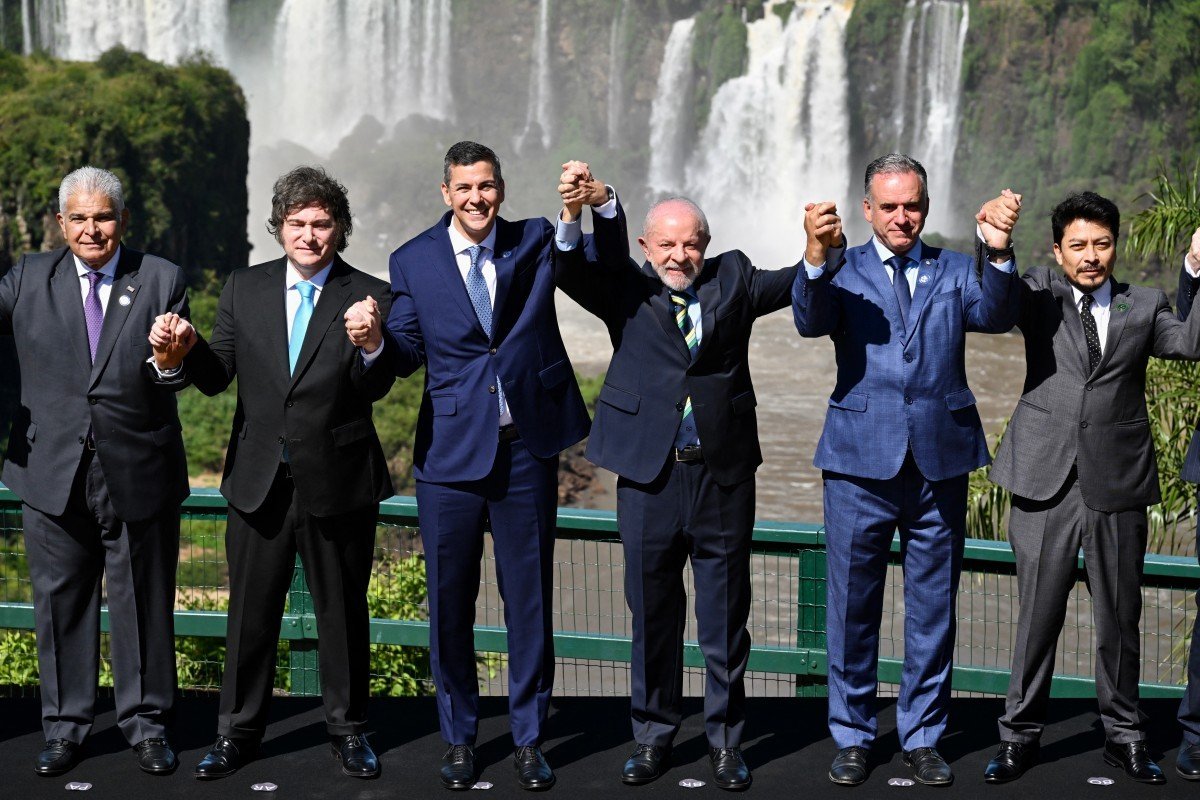
Mercosur: Lula talks about catastrophe, and Milei defends Trump’s pressure on Venezuela Members of Brazilian diplomacy regretted the decision of Mercosur countries to issue a statement demanding the “restoration of democracy” in Venezuela. The initiative was led by Javier Milei’s Argentina during the Mercosur summit in Foz do Iguaçu (PR). Sources from the Ministry of Foreign Affairs say that a text regarding the political situation in the neighboring country had been being negotiated between the bloc’s countries for weeks. According to Itamaraty interlocutors, Brazil agreed to include in the statement points relating to human rights and the humanitarian crisis established during the administration of Venezuelan President Nicolás Maduro. However, the country defended balance in the bloc’s position. This balance would mean including in the official document a paragraph stating that the presence of international military forces in the Caribbean represents a serious threat to the sovereignty of the region — in reference to the presence of the United States in the area. However, the other countries did not agree to include the section with this warning. Faced with the split, Brazil was absent from the construction of the final text. Uruguay also did not sign the document. The Brazilian government assessed that accession could be understood as a seal of approval for American actions, which so far have included the confiscation of Venezuelan oil tankers and bombings of boats in the Caribbean. “We knew that they would create the document. It is their right. But as Brazil’s position was already known, we were not consulted on the language. We regret that there was no traditional statement from Mercosur States Parties and Associates”, said a diplomat who followed the negotiations. Since August, the United States has sent warships to the Caribbean Sea, as well as fighter jets and a nuclear submarine. When questioned, Itamaraty did not comment on the episode.
Source link
Brazil stopped signing a statement on Venezuela because the text did not criticize foreign military personnel in the Caribbean
15
